Choose a bean-to-cup machine with a removable milk system if several people want one-touch soya cappuccinos and will clean the milk parts after use. A steam-wand machine with a separately managed jug offers more control over milk handling but takes more work; where a milk allergy is confirmed or suspected, De’Longhi advises against using the same LatteCrema machine for dairy and plant drinks because cleaning cannot guarantee complete allergen removal.
Who each setup suits
Regular soya-cappuccino drinkers
If several people want a drink with few preparation steps, choose a milk system they can clean and hand over consistently. Philips says the LatteGo system on its Series 4400 EP4446/70 froths plant-based alternatives and has two parts without tubes.
People prioritising allergen separation
Do not assume that a shared milk system becomes suitable for someone with a milk allergy after a cleaning cycle. De’Longhi warns that its LatteCrema cleaning methods do not guarantee complete allergen removal.
Hands-on espresso drinkers
A steam wand and separately managed milk jug suit people willing to prepare drinks manually and take responsibility for cleaning. Sage identifies steam-wand and group-head care as recurring maintenance tasks.
What matters when choosing
Automatic bean-to-cup
Choose when: Several users value one-touch drinks and can follow an after-use milk-system routine. Philips states that Series 4400 EP4446/70 LatteGo froths plant-based alternatives; De’Longhi says soy can be used with LatteCrema.
Trade-off: Automatic cleaning does not establish allergen-safe dairy and plant sharing. De’Longhi specifically advises against such sharing with LatteCrema where an allergy is confirmed or suspected.
Steam wand and separate jug
Choose when: Users prefer to handle the soya jug separately and are willing to make each drink manually.
Trade-off: Each user must take responsibility for milk preparation and wand care; Sage also identifies group-head cleaning and other regular maintenance.
Capsule machine and separate frother
Choose when: Individual drinks and a separately handled frothing vessel matter more than using fresh-ground coffee.
Trade-off: Capsules need managing, and frother capacity may limit consecutive servings. Nespresso lists a 120 ml froth capacity for Aeroccino 4 and instructs users to clean it immediately after use.
| Concern | What to check | Who this matters to |
|---|
| Soya froth |
Check the exact milk system’s plant-drink guidance, then try the soya drink your kitchen intends to use. |
I want a soya cappuccino I can make consistently, rather than assuming dairy-milk results will carry over. Around 36% of consumers put reliable soya froth first. |
| Cleaning and allergen separation |
Establish whether dairy and soya will share milk-contact parts and who cleans them. Follow De’Longhi’s LatteCrema allergy warning where it applies. |
If someone has a confirmed or suspected milk allergy, I cannot rely on a quick clean of a shared LatteCrema milk path. For around 29% of consumers, separation and cleaning are the primary concern. |
| Queues and disruption |
Compare the steps needed for consecutive drinks and the frother’s stated capacity; check model-specific noise information if the kitchen is noise-sensitive. |
During a short shared break, I need a workflow that does not hold everyone up. Roughly 21% of consumers place waiting time and disruption first. |
| Manual workflow |
Allow space for the machine, any separate jug and cleaning tools; agree who will care for the steam wand and machine. |
I would rather prepare and wash my own milk jug, even if making a drink takes more steps. Manual control and its upkeep come first for around 14% of consumers. |
Shared-kitchen mistakes to avoid
-
Equating plant-milk compatibility with allergen safety
A machine may froth soya without being suitable for shared dairy and plant use where someone has a milk allergy. De’Longhi says its LatteCrema cleaning methods do not guarantee complete allergen removal.
Where an allergy is confirmed or suspected, do not use one LatteCrema machine for both dairy and plant drinks; arrange a separate setup or an appropriate process with the person responsible for the shared kitchen.
-
Judging soya foam by a dairy-milk demonstration
De’Longhi says results with plant drinks can vary with their formulation, including protein content.
Try the chilled soya drink the kitchen plans to use before settling on a machine and a shared recipe.
-
Assuming shared equipment cleans itself
Sage identifies steam-wand and group-head care among its maintenance tasks, while Nespresso instructs Aeroccino 4 users to clean the frother immediately after use.
Agree who cleans milk-contact parts after each drink and who handles the machine’s longer-term maintenance.
The routine may also require cleaning supplies, water filters or descaling materials, depending on the machine.
-
Assuming one annual testing schedule applies to every workplace
The UK Health and Safety Executive says the relevant regulations do not specify a universal testing frequency for portable electrical appliances.
Check your workplace’s appliance-approval and inspection policy before bringing a machine into a shared kitchen.
Relevant brands for reference
Philips
The Series 4400 EP4446/70 is relevant if a removable automatic milk system appeals to several shared-kitchen users.
- Philips says its LatteGo system froths plant-based alternatives and has two parts without tubes.
- Plant-drink compatibility does not establish allergen-safe use after dairy milk.
De’Longhi
LatteCrema models are relevant to users seeking automatic milk drinks and manufacturer guidance that soy can be used.
- De’Longhi says soy can be used with LatteCrema.
- For confirmed or suspected allergy, De’Longhi advises against using dairy and plant products in the same LatteCrema machine: its cleaning methods do not guarantee complete allergen removal.
Sage
A Sage steam-wand setup is relevant to users who want hands-on espresso preparation with a separately managed milk jug.
- A separate jug lets users manage milk preparation outside an automatic carafe.
- Sage identifies steam-wand care, group-head cleaning, descaling and water-filter changes as maintenance tasks.
Nespresso
A capsule machine paired with a separate frother is an option for individual drinks.
- Nespresso lists a 120 ml froth capacity for Aeroccino 4 and says it is dishwasher-safe.
- Aeroccino 4 is a frother, not an espresso machine; capsules and the compatible coffee machine must also be accounted for.
Joybuy product choices
These choices span automatic bean-to-cup, capsule and steam-wand workflows. For a shared soya-cappuccino routine, compare each model’s milk setup and cleaning requirements rather than treating the routes as interchangeable.
 No image available
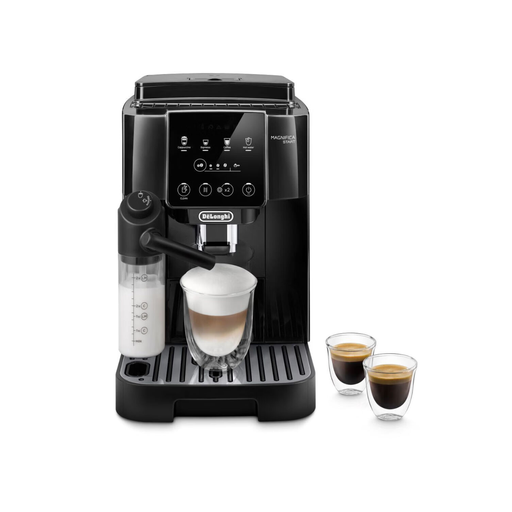
De'Longhi Magnifica Start ECAM220.60.B, black
For users who want automatic cappuccino preparation: the product title specifies automatic milk preparation and four one-touch recipes. De’Longhi says soy can be used with LatteCrema, but advises against sharing a LatteCrema machine between dairy and plant drinks where an allergy is confirmed or suspected.
View on Joybuy
 No image available
Lavazza A Modo Mio Deséa 18000393, cream
For an individual pod-coffee workflow with integrated milk preparation, the product title specifies a hot-and-cold frother, glass mug and 1.1 L water capacity. Check this model’s guidance for the intended soya drink and for cleaning when dairy and plant drinks share the equipment.
View on Joybuy
 No image available
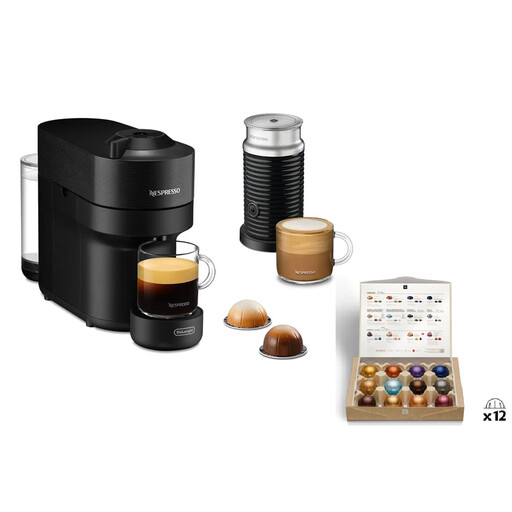
Nespresso x De'Longhi Vertuo Pop with Aeroccino, black
For separately handled coffee and milk preparation, this bundle pairs a Vertuo Pop pod machine with an Aeroccino frother. Confirm the included Aeroccino model and its guidance for the intended soya drink; do not assume the Aeroccino 4 specifications apply to this bundle.
View on Joybuy
 No image available
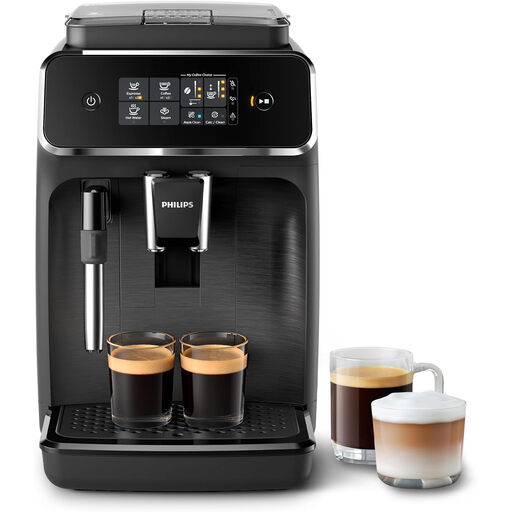
Philips EP2220/10 2200 Series, black
For bean-to-cup coffee with a separate milk-frothing step, this model’s title specifies a milk frother, ceramic grinder and two coffee drinks. Check soya-frothing guidance for the EP2220/10 itself; the Series 4400 LatteGo claims do not describe this model.
View on Joybuy
 No image available
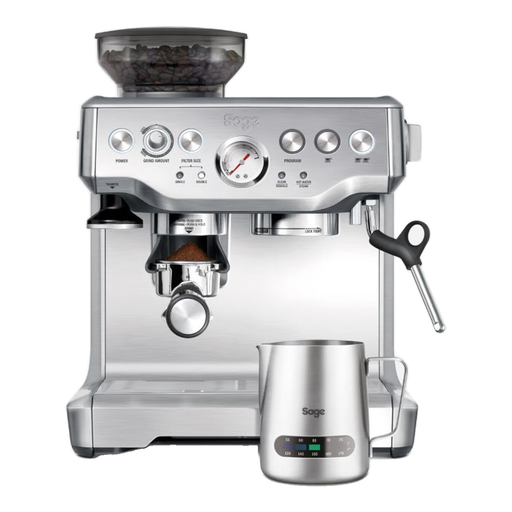
Sage the Barista Express BES875UK with temperature-control milk jug
For users willing to make espresso and froth milk manually, the product title specifies a steam wand and 16 grind settings. Allow for cleaning the wand and machine, and try the intended soya drink rather than assuming a particular frothing result.
View on Joybuy
Questions about shared use
Can an automatic milk system froth soya milk?
Yes, if the exact system’s manufacturer says it can: Philips states that Series 4400 EP4446/70 LatteGo froths plant-based alternatives, and De’Longhi says soy can be used with LatteCrema. Check the guidance for the model you intend to buy and try the soya drink your kitchen will use.
Can a shared LatteCrema machine make dairy and soya drinks if someone has a milk allergy?
De’Longhi advises against using dairy and plant products in the same LatteCrema machine where an allergy is confirmed or suspected. Its UK guidance says the stated cleaning methods do not guarantee complete allergen removal.
Who should clean a shared espresso setup?
Agree who cleans milk-contact parts after each use and who handles scheduled machine care before putting the setup in a shared kitchen. Sage identifies steam-wand and group-head cleaning among its maintenance tasks, while Nespresso instructs users to clean Aeroccino 4 immediately after use; follow the manual for the exact equipment.
Does a UK workplace espresso machine legally need annual PAT testing?
The UK Health and Safety Executive says the relevant regulations do not specify a universal testing frequency. Check the workplace’s risk-based appliance policy and obtain any required approval before bringing in a machine.


