Parents preparing familiar meals
A small amount in accepted foods such as cereal or porridge may be a way to offer a new drink without making it the focus of the meal. The NHS advises offering variety repeatedly without forcing a child to eat.


For an untried soya drink, start with a smaller carton rather than buying a large supply for a fussy eater. The Waitrose and M&S products considered here are 1-litre cartons, not 4-pint bottles; if the drink becomes part of regular meals, several cartons may meet the household’s need. If a child will use it as a main dairy alternative, check age instructions, allergens, fortification and the nutrition label before pack size.
A small amount in accepted foods such as cereal or porridge may be a way to offer a new drink without making it the focus of the meal. The NHS advises offering variety repeatedly without forcing a child to eat.
When soya drink will be a main dairy alternative, the child’s age, allergies and the product’s fortification, energy and protein matter. NHS guidance for children with cow’s-milk protein allergy discusses suitable unsweetened, fortified alternatives; the exact pack still needs checking.
A search for four pints may reflect a need for more than one carton rather than one particular container. Compare carton sizes and how quickly opened cartons must be used before buying several.
Decide first whether the drink is an occasional meal ingredient or a child’s main dairy alternative, then choose a quantity the household can use.
| Priority | What to check | Your needs |
|---|---|---|
| Meal acceptance | Compare unsweetened and sweetened formulations on the label. Check whether the product is described for the familiar food or drink you plan to prepare. | I would rather try one carton in a familiar meal before buying several. A sweeter formulation cannot guarantee that a child will accept it. |
| Main dairy alternative | For a child aged one or over in the cow’s-milk protein allergy context, NHS dietetic guidance favours suitable unsweetened, fortified soya or pea drinks. Check calcium, iodine, vitamin D and B12, alongside energy and protein on the exact label. | If this will be my child’s regular milk alternative, I need to assess the whole product, not just whether it says soya or dairy-free. NHS clinical guidance for this context suggests looking for around 40 kcal or more and at least 1 g protein per 100 ml. |
| Age and allergens | Read the current pack’s age instructions and full allergen statement. NHS South West London says breast milk or formula should remain the main milk until age one; soya is itself an allergen. | For a younger child or one with allergies, I need to know whether this particular drink is suitable for the intended use. A dairy-free label does not answer that question. |
| Pack and storage | Confirm the stated volume rather than assuming a four-pint container. Compare unopened storage instructions with refrigeration and use periods after opening. | I need enough for planned meals without opening more cartons than we can use. Four imperial pints and four 1-litre cartons are different quantities. |
The Waitrose and M&S products considered here are 1-litre cartons. Buying several can provide a larger supply, but it does not provide one four-pint container.
Check whether you need a particular container or simply enough drink for several meals. Try one carton first if the flavour is new to the household.
Buying several before they are accepted can leave cartons unused; opened cartons also have product-specific storage periods.
Fortification, energy and protein matter particularly when a child relies on a drink as a main dairy alternative. A dairy-free or organic description does not establish those values.
For that use, compare the exact nutrition and ingredient labels, including declared calcium, iodine, vitamin D and B12. NHS guidance for children with cow’s-milk protein allergy gives additional age- and diet-specific advice.
Unfamiliar taste, smell or texture can affect acceptance. Pressuring a child does not establish whether a different formulation or meal presentation would suit them.
Offer a small amount in a familiar setting and avoid force. NHS advice on fussy eating recommends continuing to offer variety, even when a food is initially refused.
Soya is an allergen, and individual product age instructions can restrict use. NHS South West London says breast milk or formula should remain the main milk until age one.
Check the current pack before serving it. Seek individual professional advice when a child has multiple allergies, poor growth or a highly restricted diet.
These brand references describe particular soya-drink lines, not every product sold under each name.
Waitrose & Partners describes its Essential Unsweetened Soya Drink as a fortified, long-life 1-litre product.
M&S lists separate unsweetened and sweetened 1-litre soya drinks fortified with calcium, iodine, vitamin D and B12.
The cited Alpro Chilled Soya Drink is a 1-litre product described on its listing for hot or cold cooking.
Tesco Groceries lists own-label unsweetened and sweetened soya drinks in 1-litre formats.
A February 2026 NHS leaflet names Sainsbury's Unsweetened Soya Drink as a 1-litre example in guidance concerning children aged one or over with cow’s-milk protein allergy.
These options include multi-carton and smaller-pack soya drinks to consider for household meal planning. None should be treated as an exact four-pint container on the strength of its listing title.
 No image available
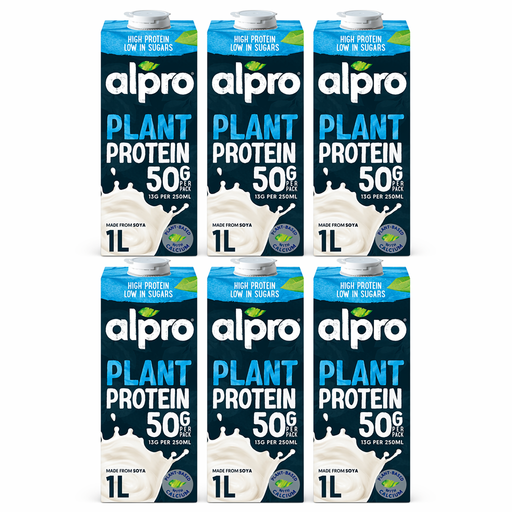
This multi-carton option is described for cereal and savoury cooking when the household already uses the flavour. It is not one four-pint bottle; check that the cartons can be used as needed. For a child’s main dairy alternative, check the current pack’s age instructions and full fortification details. Contains soya.
 No image available
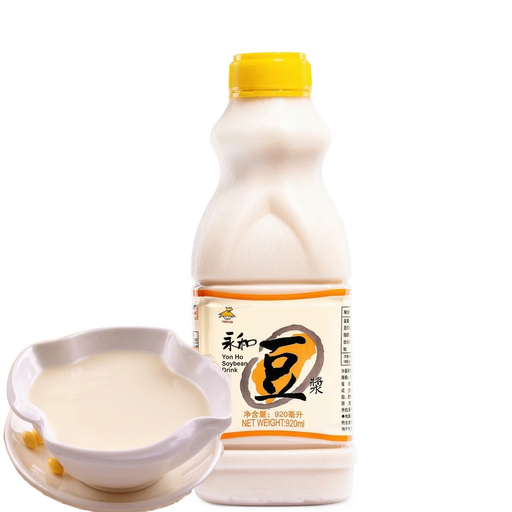
The listing describes uses including cereal and porridge. Its title begins with “6”, but the stated 1L quantity does not establish how many cartons are included, so confirm the pack contents before ordering. Check the current label’s age instructions and fortification if a child will rely on it as a main dairy alternative. Contains soya.
 No image available
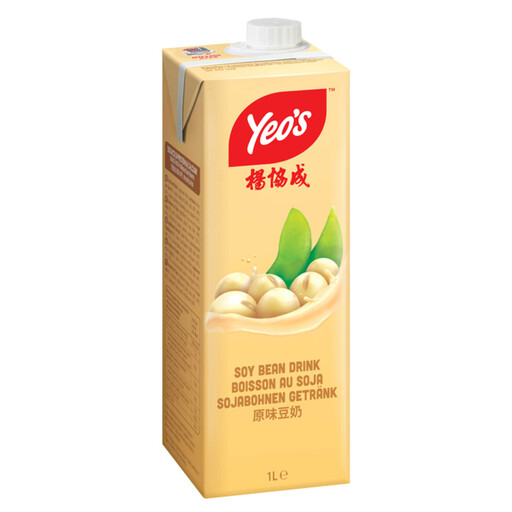
This smaller pack is described for use with cereal and in smoothies, making it an option to try before buying a larger supply. Check the current pack for fortification, age instructions and storage after opening before using it as a child’s main dairy alternative. Contains soya.
 No image available
This sweetened drink is described for smoothies and recipes if the household wants to compare a different flavour. Sweetness does not predict whether a child will accept it. Check the current nutrition panel, fortification and age instructions before using it as a main dairy alternative. Contains soya.
No. Four imperial pints are about 2.27 litres, while four 1-litre cartons contain 4 litres. The cited Waitrose and M&S drinks are sold as 1-litre cartons, so buy multiple cartons for a larger supply only if that quantity suits your household.
An unsweetened, fortified drink is a sensible option to try if the child accepts it; a sweetened option does not guarantee acceptance. Offer a small amount without pressure and compare the labels if you try another formulation. The NHS advises continuing to offer variety rather than forcing a rejected food.
NHS South West London says a calcium-fortified dairy substitute can be used in food preparation before age one, but breast milk or formula should remain the main milk until then. Check the exact product’s age instructions and seek individual advice if the child has allergies or a restricted diet.
Check the child’s age and allergies, then compare the exact product’s fortification, energy and protein. For suitable children aged one or over in the cow’s-milk protein allergy context, NHS dietetic guidance favours unsweetened, fortified soya or pea alternatives; NHS clinical guidance also gives label-checking figures of around 40 kcal or more and at least 1 g protein per 100 ml. Individual dietary circumstances still matter.
No. The Food Standards Agency identifies soya as an allergen that can pose a risk to someone with a soya allergy. Check the current ingredients and allergen statement rather than treating dairy-free wording as an allergy-suitability claim.