Adults choosing a drink for lunch
Someone replacing dairy in a workplace lunch or hot drink may want to compare sugar content and declared fortification, rather than assume every soya drink has the same nutrient profile.


For general workplace lunch service, an unsweetened UHT soya drink is a sensible starting point if its carton declares the calcium and vitamin fortification you want. Choose a barista formulation when coffee foam matters more than an all-purpose lunch drink, and check the soy allergen information and storage instructions whichever product you select. Do not assume an organic soya drink is fortified.
Someone replacing dairy in a workplace lunch or hot drink may want to compare sugar content and declared fortification, rather than assume every soya drink has the same nutrient profile.
Shared service calls for current ingredient information and a clear way to communicate when a drink contains soy. Food Standards Agency guidance for food businesses also addresses staff training and allergen management.
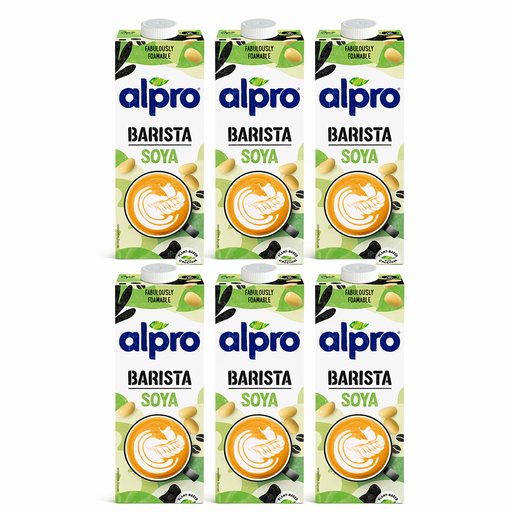
Where staff chiefly use soya drink in coffee, a barista formulation may suit the intended serve. Compare its nutrition and fortification separately from an unsweetened general-purpose drink.
Start with whether the drink is mainly for lunch or coffee, then compare the exact carton’s nutrition, allergen and storage information.
| Priority | What to check | Your needs |
|---|---|---|
| Sugar content | Compare sugars per 100ml and distinguish unsweetened from sweetened variants; a shared brand name does not make their nutrition identical. | I want a dairy-free drink for a regular lunch without choosing a sweetened variant by mistake. |
| Fortification | Check declared calcium and any added vitamin D, B12 or iodine on the exact carton. The UK government’s SACN/COT assessment says fortification varies considerably between plant-based drinks and that UK organic plant-based drinks cannot be fortified. | If I am using soya drink in place of dairy, I want to know which nutrients this particular product declares, rather than rely on the word ‘soya’. |
| Allergen information | Check the current soy statement, any relevant may-contain warnings and the canteen’s cross-contact procedures. Food Standards Agency guidance covers allergen information for prepacked and non-prepacked food and drink. | In a shared canteen, I need staff to be able to identify the drink’s ingredients before serving it. |
| Hot drinks | Decide whether ordinary tea and coffee use is enough or whether foam is required. Compare a barista drink’s nutrition with an unsweetened drink rather than treating foam as an all-purpose advantage. | Our coffee area needs a drink suited to the way staff actually prepare it; a lunch accompaniment does not necessarily need to foam. |
| Storage | Check unopened storage instructions, then the required refrigeration and use period after opening. UHT does not mean an opened carton can stay in a cupboard. | We need a way to date opened cartons and use them within the period stated on their labels. |
The UK government’s SACN/COT assessment says plant-based drinks vary considerably in fortification. A soya label alone does not establish how much calcium or which vitamins a drink supplies.
Compare the nutrition panel and ingredients of the exact variant when fortification matters to your selection.
According to the UK government’s SACN/COT assessment, organic plant-based drinks in the UK cannot be fortified with nutrients. Organic status therefore does not stand in for a declaration of added calcium or vitamins.
If added nutrients are part of the canteen brief, check for them on the carton rather than inferring them from the product category.
Soya itself is an allergen. Ocado’s listing for M&S Unsweetened Soya also carries may-contain nuts and peanuts warnings, illustrating why suitability depends on the exact product.
Keep current packaging or allergen information available at service and follow the canteen’s cross-contact procedures.
Retailer listings for Waitrose Essential Unsweetened Soya Drink and M&S Unsweetened Soya specify refrigeration and use within three days of opening; the Plenish Organic Soya Barista listing specifies four days.
Date opened cartons and follow each product’s own refrigeration and use instructions.
These examples show why the exact variant matters; a brand name alone does not establish its sugar content, fortification or allergen warnings.
Its long-life range includes a No Sugars soya drink as well as other variants.
Tesco’s long-life-drink range lists own-label unsweetened and sweetened soya drinks.
The Plant Kitchen range includes UHT unsweetened and sweetened soya drinks listed by Ocado.
Essential Unsweetened Soya Drink is a UHT own-label option for general use.
These options cover a no-sugars long-life drink, a coffee-focused barista drink and a separate OG variant. Compare their current cartons for the nutrition and storage details relevant to your canteen.
 No image available
A no-sugars long-life option to consider for general lunch service. Check the current carton for the amount of calcium if that matters to your choice; the product contains soya and its opened-carton instructions call for refrigeration and use within five days.
 No image available
Consider this variant when the staff coffee area needs a drink sold for foaming; that description is a product claim, not an independent performance test. It is not the no-sugars variant. Check its nutrition panel, and refrigerate after opening as instructed.
 No image available
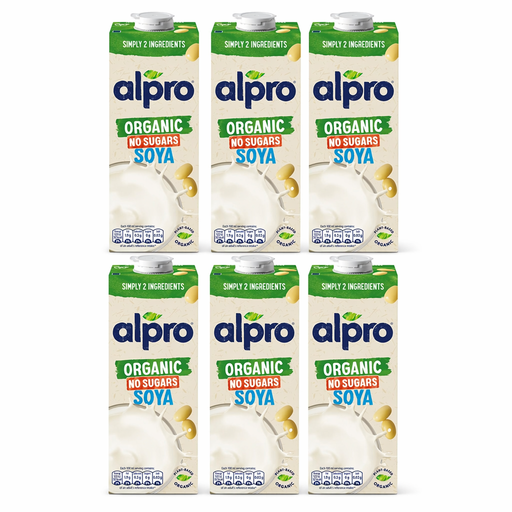
A separate long-life variant to compare for lunch service. If calcium or added vitamins are important, check the exact carton rather than assuming this variant has the same fortification as Alpro No Sugars; keep it refrigerated after opening and follow its stated use period.
Check the declared calcium amount and any added vitamins or iodine that matter to the intended use. NHS guidance identifies calcium-fortified plant-based drinks as a calcium source, while the amounts and nutrients declared differ between products.
Make current allergen information available wherever the drink is served and ensure staff can identify soybeans when they are an ingredient. Food Standards Agency guidance for UK food businesses covers allergen information for both prepacked and non-prepacked drinks, as well as staff training.
Do not assume it will. The UK government’s SACN/COT assessment says organic plant-based drinks in the UK cannot be fortified with nutrients, so check the carton if fortification is part of the buying decision.
Follow the refrigeration and use period on that carton. Waitrose & Partners and Ocado list three days after opening for the cited Waitrose and M&S drinks, while Ocado lists four days for Plenish Organic Soya Barista; UHT packaging does not remove opened-carton storage requirements.
Choose one when foam is an important part of the coffee serve, rather than assuming it is needed for every hot drink. Waitrose & Partners advises that soya alternatives can separate in very hot drinks and suggests letting hot water cool slightly; compare a barista variant’s nutrition with an everyday drink before selecting it for wider lunch use.