Who needs to check what?
The right tea-time drink depends on the child’s age, diagnosed allergies and how regularly the drink will be used.
Parents choosing a dairy-free drink for a child aged 1 or over
If the child tolerates soya, compare unsweetened drinks for fortification, protein and the age instructions on the carton. NHS North West Knowledge Now identifies unsweetened, fortified soya and pea drinks as plant-based options for children aged 1 or over with cow’s-milk protein allergy, subject to individual suitability.
Families managing cow’s-milk allergy
Milk avoidance does not establish soya tolerance. Ashford and St Peter’s Hospitals NHS Foundation Trust warns that children with cow’s-milk allergy may also have soya allergy. Follow the child’s individual dietary advice before choosing a soya drink.
Parents packing drinks for school or childcare
Check the child’s current allergy requirements and the setting’s food policy before packing a carton. A milk-free soya drink still contains soya, and its current packaging is the place to check ingredients and allergen statements.
What matters when choosing a drink?
Start with allergens and age suitability; then compare fortification and protein for the way the child will use the drink.
| Priority |
What to check |
Your needs |
| Milk and soya allergens |
Read the current ingredient list and allergen declaration for milk and soya. Check any precautionary statements against the child’s individual requirements. |
I need a drink that avoids milk, but I cannot use soya if my child also has a soya allergy. The Food Standards Agency identifies milk and soya as separate allergens. |
| Age and role in the diet |
Check the exact carton’s age statement and whether it restricts use as a main milk drink. Sainsbury’s says its Unsweetened Soya Drink can be part of a balanced diet from age 1 but is not suitable as a main milk-drink alternative under 2; Waitrose says Essential Soya Unsweetened is not suitable for children under 2. |
For a younger child, I need to know whether this particular drink is suitable and whether it is intended as an occasional drink or a main milk alternative. |
| Fortification and protein |
Compare the nutrition panel for calcium, iodine, vitamin D, vitamin B12 and protein. Check whether the drink is unsweetened rather than relying on a plant-based label. |
If the drink will be used regularly instead of dairy, I want to compare its stated nutrients, not assume all plant-based cartons have the same composition. NHS North West Knowledge Now favours unsweetened, fortified soya or pea options for suitable children aged 1 or over. |
| When soya is unsuitable |
Check a prospective alternative’s ingredients, allergens, fortification, protein and age guidance. NHS North West Knowledge Now identifies fortified pea-based drinks alongside soya-based drinks for children aged 1 or over with cow’s-milk protein allergy. |
My child must avoid soya as well as milk, so I need an alternative that fits their individual dietary advice; a different plant ingredient alone is not enough to establish suitability. |
| Current packaging |
Read the physical carton when buying and before serving, including its ingredient list, allergen text and age instructions. Sainsbury’s advises checking packaging because product ingredients can change. |
I may have bought the drink before, but I need the carton in hand to confirm that the version I serve still meets my child’s requirements. |
Brand and product-line references
These examples show why the exact product matters: fortification, allergen warnings and age instructions are not interchangeable across soya drinks.
Alpro
Sainsbury’s lists Alpro Soya Original as a UHT, plant-based soya drink with added nutrients.
- The Alpro Soya Original listing states that it contains added calcium, iodine and vitamins B2, B12 and D2.
- It contains soya; its plant-based description does not make it suitable for a child who must avoid soya. Check the current carton for the particular variant being bought.
Sainsbury’s
Sainsbury’s Unsweetened Soya Drink has product-specific fortification and age guidance.
- Its product page lists calcium, iodine, vitamin D and vitamin B12 fortification.
- Sainsbury’s says this drink can be part of a balanced diet from age 1 but is not suitable as a main milk-drink alternative for children under 2.
M&S Plant Kitchen
The M&S unsweetened soya drink provides an example where warnings beyond soya affect the choice.
- Marks & Spencer lists calcium, iodine, vitamin D and vitamin B12 fortification for this drink.
- Its product page says the drink is not suitable for people with a nut or peanut allergy. Check the exact pack rather than assuming a soya drink fits those allergies.
Waitrose Essential
Essential Soya Unsweetened is a UHT soya drink with a stated age restriction.
- Waitrose lists added calcium, iodine and vitamins D, B12 and B2.
- Waitrose warns that this product is not suitable for children under 2.
Tesco
Tesco unsweetened soya drinks are another product line to assess against the child’s needs.
- An unsweetened option lets shoppers check the carton against their preference for an unsweetened drink.
- Use the exact carton to establish its present ingredients, fortification, allergens and age guidance.
Soya drinks on Joybuy
These Alpro soya drinks are options to examine if the child can consume soya. Their names and uses differ; check each current carton for milk-related allergen statements, nutrients and child-specific age guidance before choosing one for tea time.
 Image unavailable
Alpro Soya No Sugars Long Life Drink, 8 × 1L
The No Sugars variant is worth checking when an unsweetened soya drink is the intended choice. It contains soya; confirm the current carton’s age guidance, allergen statements and fortification before serving it to a child.
View on Joybuy
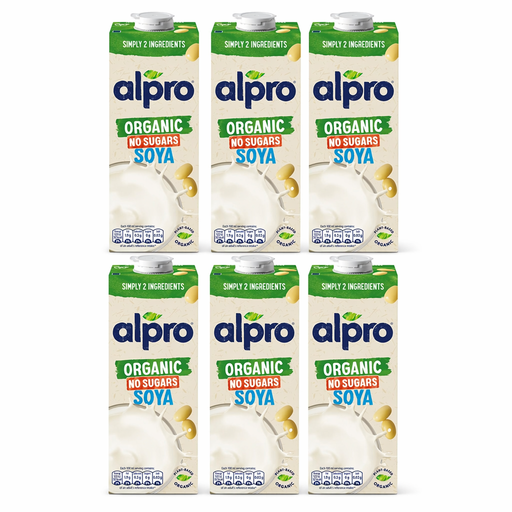 Image unavailable
6 Alpro Soya Drink OG
This soya-drink option requires a carton check before it is chosen for a child. It contains soya; compare the current age guidance, milk-related allergen statements and fortification with the child’s requirements.
View on Joybuy
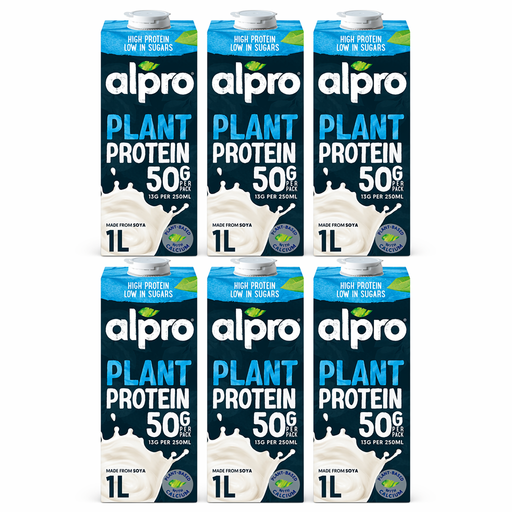 Image unavailable
6 Alpro Plant Protein 1L
This is a distinct Plant Protein variant, not an unsweetened substitute: its listed ingredients include sugar. It contains soya. Check the carton’s nutrition panel, age guidance and allergen statements if considering it for tea time.
View on Joybuy
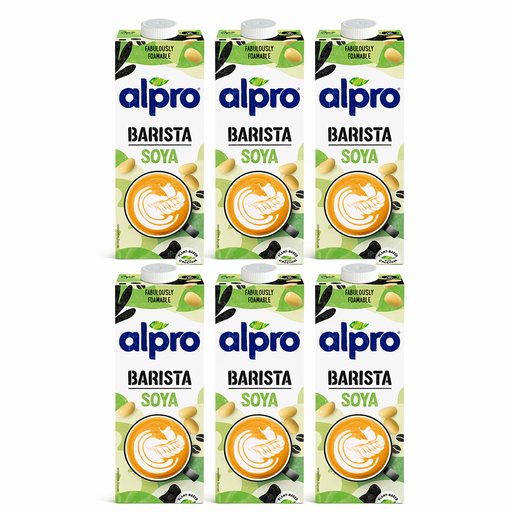 Image unavailable
6 Alpro Soya Barista
The Barista variant is presented for coffee use, so its intended use differs from a straightforward child’s tea-time drink. It contains soya and is not an unsweetened option; check its current sugar information, age guidance and allergen statements before considering it for a child.
View on Joybuy
Common questions
Does soya drink contain cow’s milk?
Not necessarily: Sainsbury’s describes Alpro Soya Original as plant-based, while its own Unsweetened Soya Drink is presented as a soya alternative. Neither a product name nor a previous purchase establishes the ingredients of every soya drink, so check the current carton’s milk allergen and ingredient information.
Is a dairy-free soya drink free from allergens?
No. The Food Standards Agency identifies soya as an allergen. A drink that avoids milk is not suitable for a child who must also avoid soya; check for any further product-specific warnings.
Can a child with cow’s-milk allergy have soya drink?
Only where soya is suitable for that child. Ashford and St Peter’s Hospitals NHS Foundation Trust warns that children with cow’s-milk allergy may also have soya allergy. Follow the child’s clinician or dietitian’s advice rather than treating dairy avoidance as confirmation that soya is safe.
Can a one-year-old use a soya drink as their main milk alternative?
The answer depends on the exact drink and the child’s dietary advice. Although NHS North West Knowledge Now discusses suitable fortified alternatives for children aged 1 or over, Sainsbury’s says its Unsweetened Soya Drink is not suitable as a main milk-drink alternative under 2, and Waitrose says Essential Soya Unsweetened is not suitable for children under 2. Check the carton before choosing a main drink.
What should I compare on an unsweetened soya-drink carton?
Check allergens and age instructions first, then compare protein and added calcium, iodine, vitamin D and vitamin B12. NHS North West Knowledge Now identifies unsweetened, fortified soya drinks as an option for suitable children aged 1 or over; the exact carton tells you which nutrients and instructions apply to the product you are buying.


