Vegans comparing protein in everyday drinks
If soya drink goes into cereal or smoothies, compare the protein in the amount you actually use. The figure per 100ml makes different cartons easier to assess on the same basis.


For a vegan soya drink that contributes more protein, compare the nutrition panels per 100ml rather than relying on the carton name: Sainsbury's lists 5.0g for its Sweetened High Protein Soya Drink and 2.2g for its Unsweetened Soya Drink. If sugar content, added nutrients or independent vegan certification matters more to you, check those separately on the exact product; a higher protein figure does not settle those choices.
If soya drink goes into cereal or smoothies, compare the protein in the amount you actually use. The figure per 100ml makes different cartons easier to assess on the same basis.
An unsweetened carton may suit someone who prioritises sugar content, while a shopper using dairy alternatives regularly may also want to check for added nutrients. The NHS advises including fortified dairy alternatives in a vegan diet.
If a retailer's vegan suitability statement is not enough for your purchase, look for the Vegan Trademark on the exact product. The Vegan Society distinguishes products bearing its trademark from other vegan-friendly products.
Start with protein on a consistent label basis, then check the separate requirements that could change your choice of carton.
| Priority | What to check | Your needs |
|---|---|---|
| Protein | Compare grams per 100ml; check the serving amount you expect to pour. | I want the drink to contribute protein to a meal or smoothie. Sainsbury's lists 5.0g per 100ml for its Sweetened High Protein drink, against 2.2g per 100ml for its Unsweetened drink. |
| Sugar | Read sugars per 100ml alongside protein; distinguish sweetened from unsweetened variants. | For frequent use, I may prefer an unsweetened option. Sainsbury's lists less than 0.5g sugars per 100ml for its Unsweetened Soya Drink; that figure does not describe its sweetened high-protein variant. |
| Fortification | Check the exact nutrition panel for calcium, vitamin D, vitamin B12 and iodine rather than assuming every soya drink contains them. | If I use soya drink as a dairy alternative, I want to know which nutrients have been added. The NHS advises including fortified dairy alternatives in a vegan diet, while the UK SACN/COT assessment notes that plant drinks vary in nutrient content. |
| Vegan status | Read the exact product's ingredients and vegan statement; if certification is essential, look for its Vegan Trademark. | A vegan suitability statement may meet my requirements, or I may specifically want third-party certification. The Vegan Society says its verification applies to products carrying its trademark. |
| Allergens and use | Check the allergen declaration and the carton's storage and preparation instructions. | If I must avoid soya, a soya drink is not an appropriate choice. For a carton I plan to use in hot drinks or over several days, I also need its own preparation and opened-storage directions. |
Sainsbury's lists 5.0g protein per 100ml for its Sweetened High Protein Soya Drink and 2.2g per 100ml for its Unsweetened Soya Drink. Choosing by category name alone can therefore change how much protein your usual portion provides.
Compare the per-100ml figures, then consider how much you normally pour.
A product described as suitable for vegans does not thereby carry the Vegan Trademark. The Vegan Society says it can verify suitability under its scheme for products bearing that mark.
If certification is a requirement, check the mark on the exact carton rather than relying on the brand name.
A high-protein and an unsweetened drink answer different label priorities. Sainsbury's identifies its High Protein Soya Drink as sweetened and lists less than 0.5g sugars per 100ml for its separate Unsweetened Soya Drink.
Read protein and sugars on the same product's nutrition panel before deciding between variants.
Alpro sells different soya-drink variants, so the standard long-life and no-sugars cartons should be checked individually.
Its cited high-protein and unsweetened soya drinks illustrate the choice between more protein from the drink and an unsweetened variant.
The cited Unsweetened Soya Drink offers another label to compare when sugar content matters alongside protein.
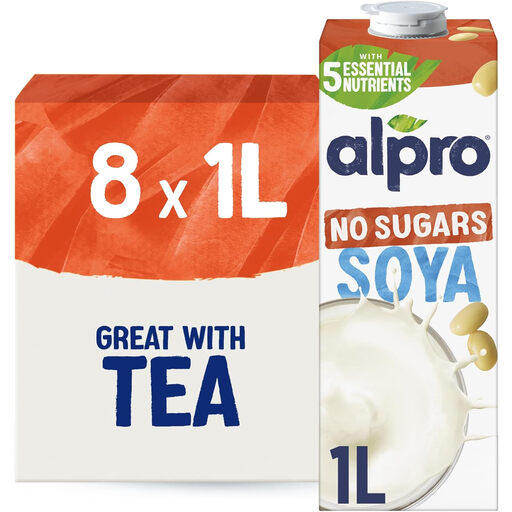
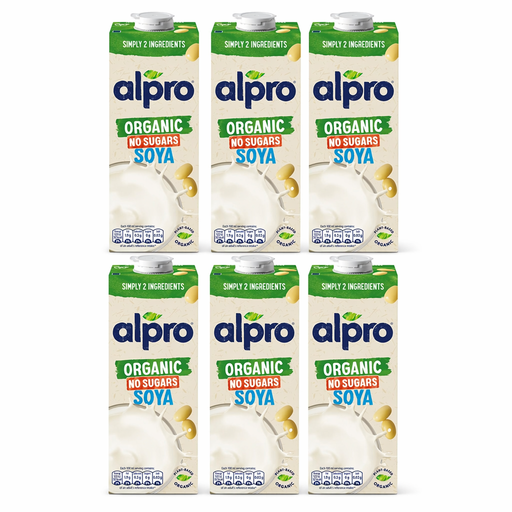
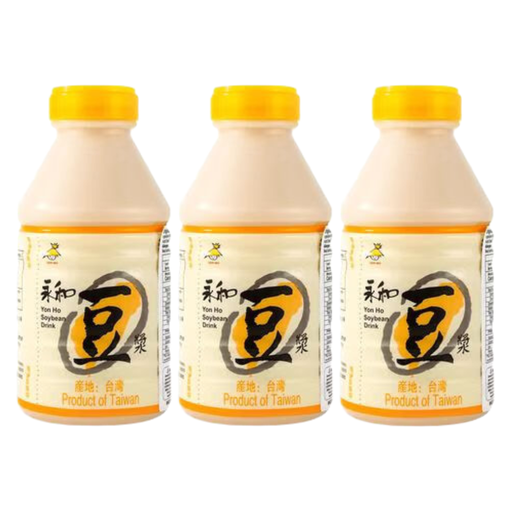
These options include an Alpro No Sugars multipack, an Alpro OG listing and portion-sized Yon Ho soy milk. Check protein, vegan suitability and fortification on the exact product when choosing for a high-protein vegan diet.
 No image available
The 8 × 1L format may suit regular use. Compare the exact carton's protein per 100ml and added nutrients with your other options; check for the Vegan Trademark if independent certification matters to you.
 No image available
Compare this variant's protein and sugars with other soya drinks on their stated label bases. If added calcium or vitamins, or independent vegan certification, are important to your choice, check the exact pack.
 No image available
The three 300ml portions offer a different pack format from the Alpro listings. For a vegan high-protein purchase, check the exact bottle's ingredients, vegan suitability, protein per 100ml and any added nutrients before choosing it.
No. A vegan suitability statement and the Vegan Society's Vegan Trademark are distinct. If you require that certification, look for the mark on the exact product; the Vegan Society says its verification applies to products carrying it.
Start with protein per 100ml when both cartons use that basis, then consider your usual portion. Sainsbury's lists 5.0g per 100ml for its Sweetened High Protein Soya Drink and 2.2g per 100ml for its Unsweetened Soya Drink. M&S states 2.8g per 100g for its cited unsweetened drink, which is a different label basis.
Yes, if added nutrients matter to your choice. The NHS advises including fortified dairy alternatives in a vegan diet, and the UK SACN/COT assessment notes that plant drinks vary in nutrient content. Check the exact nutrition panel for nutrients such as calcium, vitamin D, vitamin B12 and iodine.
No. If you need to avoid soya, choose a different drink base and read that product's allergen declaration rather than selecting a soya drink for its protein figure.