Families replacing cow’s milk
If a child can have soya but avoids cow’s milk, check both their allergens and the drink’s fortification. NHS guidance advises looking for added calcium, iodine, vitamin D and vitamin B12 in a non-dairy alternative.


For a school-holiday lunch, consider a fortified soya drink only if the child can have soya, the current carton fits their allergen requirements and the school or club permits it. NHS guidance advises checking for added calcium, iodine, vitamin D and vitamin B12 when choosing a non-dairy alternative; a dairy-free label does not mean the drink is suitable for a child with soya allergy.
If a child can have soya but avoids cow’s milk, check both their allergens and the drink’s fortification. NHS guidance advises looking for added calcium, iodine, vitamin D and vitamin B12 in a non-dairy alternative.
A dairy-free soya drink still contains soya. Check the exact carton against the child’s allergens, including any product-specific nut or peanut suitability warning.
Check the setting’s current allergy arrangements before packing a soya drink. A carton that suits one child’s plan may not fit the rules for food brought into a shared setting.
Start with the child’s allergens and the setting’s rules. If the drink will replace cow’s milk regularly, compare the nutrition label as well as the free-from wording.
| Priority | What to check | Your needs |
|---|---|---|
| Allergens | Read the current ingredients, emphasised allergens and any precautionary or suitability wording. Do not choose soya for a child with soya allergy. | I need the carton to fit the child’s actual allergens, not just carry a dairy-free claim. |
| Fortification | NHS guidance advises checking for added calcium, iodine, vitamin D and vitamin B12 in a non-dairy alternative. Compare the exact carton if it will be a regular cow’s-milk replacement. | If this drink replaces cow’s milk, I want to know what nutrients the chosen variant provides. |
| Sugars and portion | Compare sugars per 100 ml on the exact variant’s nutrition label. Check whether its carton size works for the lunch you are packing. | For a routine lunch drink, I want to distinguish an unsweetened variant from a sweetened one and pack a manageable portion. |
| Setting rules | Ask the school or holiday provider about its current allergy policy and any instructions for identifying packed drinks. England’s Department for Education says schools must publish an allergy safety policy. | I need staff to be able to identify the drink and to know whether it is permitted in that setting. |
Soya is itself an allergen. The M&S unsweetened soya drink also carries product-specific nut and peanut unsuitability warnings.
Start with the child’s allergens, then read the full label on the carton you intend to pack.
A free-from claim does not tell you which vitamins and minerals have been added.
For a child replacing cow’s milk, use NHS guidance to check the chosen drink for calcium, iodine, vitamin D and vitamin B12.
Age and allergen suitability can differ by product: Waitrose essential Unsweetened Soya Drink is labelled unsuitable for children under two, while the M&S unsweetened drink warns against use by people with nut or peanut allergy.
Check the exact variant’s current carton rather than relying on the brand name or the word “unsweetened”.
A setting’s allergy arrangements affect what can be brought from home, even when a drink suits the child carrying it.
Ask the school, club or childcare provider about its current instructions before attendance.
These product examples show why the exact variant and carton matter; a brand name alone does not establish allergen suitability.
Sainsbury’s lists Alpro Soya No Sugars Long Life Drink with added calcium, iodine and vitamins B2, B12 and D2.
Sainsbury’s lists a sweetened 1 L own-label soya drink fortified with calcium, iodine, vitamin D and vitamin B12.
M&S lists an unsweetened soya drink fortified with calcium, iodine, vitamin D and vitamin B12.
Waitrose lists an unsweetened UHT soya drink with added calcium, iodine and vitamins D, B12 and B2.
These soya-drink options are relevant when the child can have soya. Compare each carton with the child’s allergen requirements and the school or club’s rules before choosing one for lunch.
 No image available
The eight 1 L cartons are a larger-format choice rather than individual lunch portions. Check the current carton’s full allergen information and fortification if the drink will replace cow’s milk.
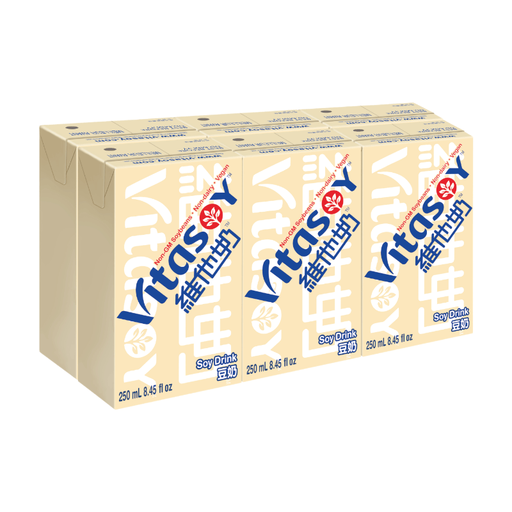 No image available
The six 250 ml cartons offer individual portions for packing. Check the exact carton’s sugars, allergens and added nutrients before choosing it as a routine drink.
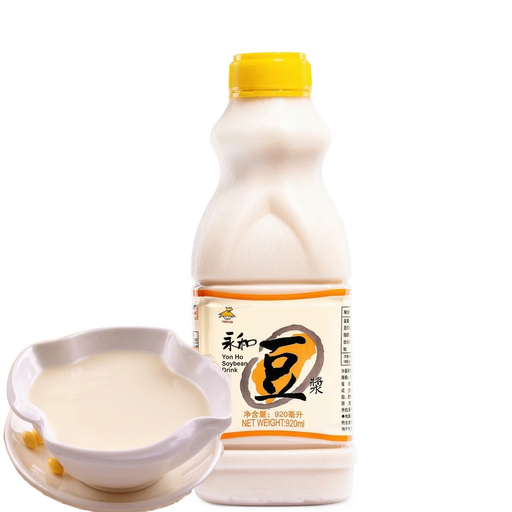 No image available
The 920 ml carton calls for portioning if it is going into a lunchbox. Check the current label for the child’s allergens, sugars and fortification, and follow its storage directions after opening.
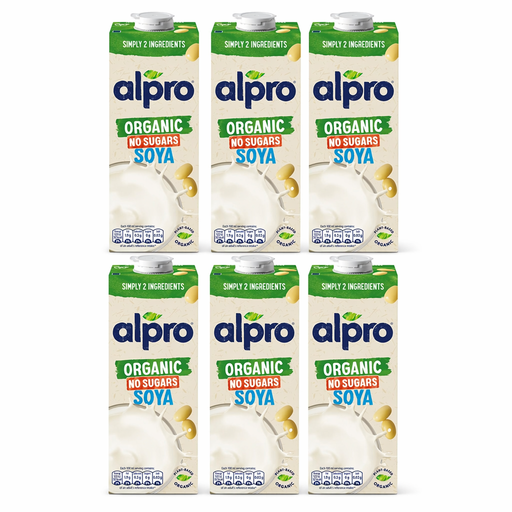 No image available
This is a soya-drink option only for a child who can have soya. Check the current carton for its full allergen information and added nutrients before relying on it as a cow’s-milk replacement.
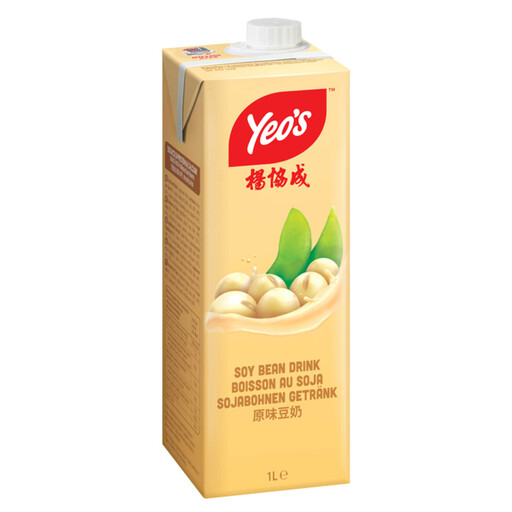 No image available
The 1 L carton is not an individual lunch portion. Compare its current allergen, sugars and fortification labels with the child’s needs, and follow the carton’s directions after opening.
No. Soya is an allergen, so a dairy-free soya drink is not suitable for a child with soya allergy. Read the current carton’s ingredients and allergen information, including any additional suitability warnings.
Choose a non-dairy alternative that does not contain the child’s allergens. NHS guidance advises looking for added calcium, iodine, vitamin D and vitamin B12; if it will be a regular milk replacement for a young child, discuss the choice with their healthcare professional or dietitian.
Do not assume that every carton is appropriate: Waitrose labels its essential Unsweetened Soya Drink as unsuitable for children under two. For an infant or young child with cow’s-milk allergy, follow their healthcare professional’s or dietitian’s advice on an alternative.
Yes. Check that setting’s current instructions and the child’s individual plan, if they have one. England’s Department for Education says schools must publish an allergy safety policy; ask a holiday provider directly about its arrangements rather than assuming the school’s rules apply there.
Use it to narrow down options, then read the physical carton before packing or serving the drink. Product recipes and allergen information can change, and warnings may differ between variants.