Households making an everyday dairy-free swap
If soya drink goes into tea, cereal, porridge or cooking, compare the energy and sugars on the cartons you would use regularly. Check calcium fortification as a separate part of the choice.


For a routine dairy-free swap while managing weight, start by comparing the energy and sugars declared for unsweetened soya drinks on the same per-100 ml basis; an unsweetened label alone does not settle the choice. If the drink replaces dairy regularly, check its calcium and other listed nutrients too. Soya drinks are not suitable for someone with a soya allergy.
If soya drink goes into tea, cereal, porridge or cooking, compare the energy and sugars on the cartons you would use regularly. Check calcium fortification as a separate part of the choice.
A frequent dairy replacement calls for a closer look at its nutrient label. The UK SACN/COT assessment notes that nutrient content varies considerably between plant-based drinks, so check calcium, iodine, vitamin D, B12 and riboflavin on the individual product.
Dairy-free does not mean suitable for a soya allergy. If nuts or other allergens also matter, read both the allergen declaration and any precautionary statement on the current pack.
Start with the nutrition panel for the amount you normally use, then check fortification, allergens and storage instructions for the particular carton.
| Priority | What to check | Your needs |
|---|---|---|
| Sugars and energy | Compare declared sugars and energy on the same per-100 ml basis. Look beyond front-of-pack descriptions, especially when comparing sweetened and unsweetened drinks. | I use soya drink several times a day and want to know what each usual portion contributes, rather than choosing by the word ‘unsweetened’ alone. |
| Fortification | Check whether calcium is listed, then look for iodine, vitamin D, B12 and riboflavin. The NHS includes unsweetened, calcium-fortified dairy alternatives in its dairy-and-alternatives food group; the UK SACN/COT assessment says plant-drink nutrient content varies considerably. | If this is my regular replacement for dairy, I want to compare its listed nutrients with those of other cartons, not assume every soya drink has the same additions. |
| Allergens | Read the soya declaration and any ‘may contain’ statements on the current pack. The Food Standards Agency explains that precautionary allergen labelling signals possible unintended allergen presence. | Dairy is not my only allergy concern, so I need the exact carton’s allergen information before choosing it. |
| Protein | Compare declared protein using the same quantity basis. Check whether one label gives values per 100 ml and another per 100 g before drawing a direct comparison. | When soya drink is part of breakfast or another regular meal, I want to see its stated protein contribution alongside sugars and energy. |
| Format and storage | Check whether the carton is chilled or long-life and follow its specific refrigeration and use-after-opening instructions. | A carton that fits how quickly my household uses it is less likely to be left unfinished after opening. |
Plant-based drinks differ in sugars and fortification. The UK SACN/COT assessment notes considerable variation in their nutrient content.
Compare energy, sugars and protein on the current nutrition label, then check each nutrient you want from a regular dairy replacement.
An organic preference does not tell you how the drink compares with a calcium-fortified alternative.
Check the individual carton for listed nutrients before choosing it as a regular dairy replacement.
Soya itself can cause allergic reactions, and a dairy-free product can carry warnings concerning other allergens.
Avoid soya drinks if you have a soya allergy. For other relevant allergies, check the ingredients, allergen declaration and precautionary wording on the current pack.
Post-opening instructions can differ between chilled and long-life products, regardless of how they were stored before opening.
Choose a size you can use within the period stated on its pack and follow its refrigeration instructions.
An unfinished carton may have to be discarded once its stated post-opening period has passed.
These examples show why the exact product label matters; a brand name alone does not establish the sugars, nutrients or allergens of every drink in its range.
Alpro has chilled and long-life soya drinks. For its No Sugar Chilled Soya Drink, the Waitrose & Partners listing declares 33 kcal, 0 g sugars and 3.3 g protein per 100 ml.
The M&S listing for its Unsweetened Soya Drink declares 30 kcal, 0.4 g sugars and 2.8 g protein per 100 g, and lists calcium, iodine, vitamin D and B12.
Waitrose & Partners describes its Unsweetened Soya Drink as a long-life product fortified with calcium, vitamin D, B12, B2 and iodine.
Waitrose & Partners lists Plenish Organic No Added Sugar Soya at 32 kcal, 0 g sugars and 3.2 g protein per 100 ml.
Tesco Groceries lists own-label long-life soya drinks in both unsweetened and sweetened versions.
These Joybuy options cover an Alpro soya drink, a black-soybean drink and individual malted soya cartons. Compare their current labels with your sugar, nutrient and allergen priorities; the formats serve different routines.
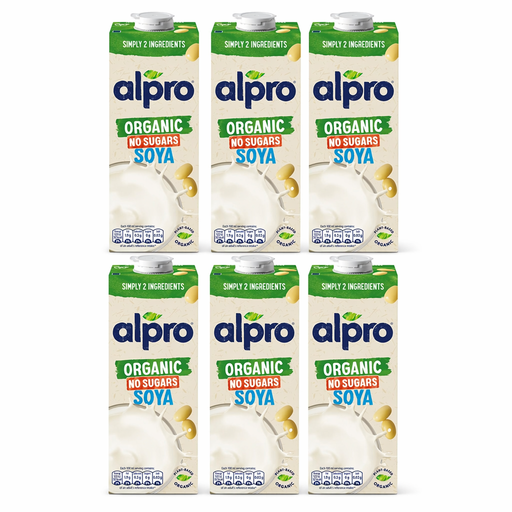 Image unavailable
For a routine dairy-free swap, compare the current carton’s sugars and energy per 100 ml and check its listed nutrients if it will replace dairy regularly. This is a soya drink, so it is unsuitable for someone with a soya allergy.
 Image unavailable
The 300 ml size offers a defined carton quantity to consider alongside your usual serving. If reducing sugars is a priority, compare its current per-100 ml label with an unsweetened option, and check its allergen declaration.
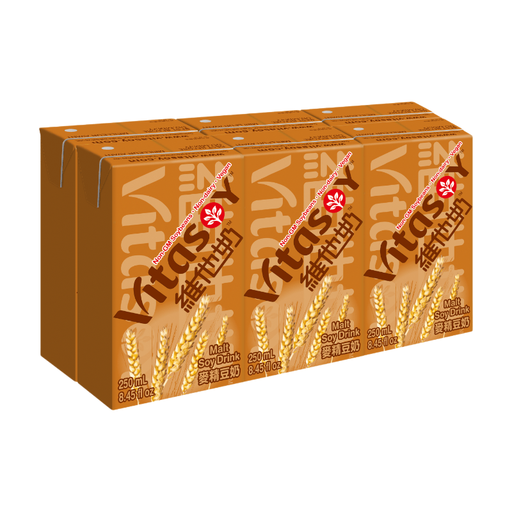 Image unavailable
Six individual 250 ml cartons may suit a routine built around separate portions. Check the current sugars and energy per 100 ml before choosing a malted drink for frequent use; its allergen information matters if soya or barley must be avoided.
A plant-based soya drink is not dairy milk. Check the exact product’s ingredients and allergen information if you need to avoid lactose or other ingredients, because recipes and allergy statements differ.
Not on its own. An unsweetened label helps you identify an option to compare, but check the declared energy, sugars and your usual portion as part of your overall eating pattern. Products may also differ in protein and fortification.
Check calcium on the individual carton, then look for vitamin D, B12, iodine and riboflavin if those nutrients matter to your choice. The UK SACN/COT assessment notes considerable variation in the nutrient content of plant-based drinks, while the NHS includes unsweetened calcium-fortified alternatives in its dairy-and-alternatives food group.
Do not assume that it does. Read the organic drink’s nutrient and ingredient labels, then compare them with those of a calcium-fortified alternative if it will replace dairy regularly.
No. Dairy-free does not remove the soya allergen from a soya drink. Check the allergen declaration on any alternative you consider, including warnings concerning other relevant allergens.