Dairy-free bakers who can have soya
If you use soya drink instead of cow’s milk in cakes, pancakes or sauces, check the dairy-free claim on the carton you intend to use. Soya remains an ingredient and an allergen.


For a bake where you want to control the sweetness, compare unsweetened or no-sugars soya drinks by their sugars per 100 ml. For allergy-sensitive baking, choose by the exact carton’s ingredients and precautionary allergen information: a dairy-free or vegan claim does not establish suitability for every allergy, and soya drink is unsuitable for someone who must avoid soya.
If you use soya drink instead of cow’s milk in cakes, pancakes or sauces, check the dairy-free claim on the carton you intend to use. Soya remains an ingredient and an allergen.
If you want the recipe ingredients to determine sweetness, compare the sugars declaration per 100 ml and the ingredient list of the exact drink, rather than relying on the word “soya”.
When baking for someone who must avoid milk, nuts or peanuts, check both ingredients and any precautionary allergen statement. A vegan label or a short ingredient list cannot answer that question on its own.
Start with the allergen the person eating the bake must avoid. Then compare sweetness and storage instructions for the recipe and the amount you plan to use.
| Priority | What to check | Your needs and survey responses |
|---|---|---|
| Milk and other allergens | Read the exact carton’s ingredients for milk and soya; check its dairy-free claim and any precautionary allergen statement. Vegan labelling does not replace these checks. | I’m baking for someone with an allergy, so the label needs to address that allergen specifically. In a Food Standards Agency/Ipsos survey conducted in December 2023 among screened adults aged 16–75 in England, Wales and Northern Ireland, 53% of respondents with a food hypersensitivity to milk, eggs, fish, crustaceans or molluscs already knew that cross-contact could make a vegan product unsuitable. The figure was 50% among respondents who regularly shopped for someone with one of those hypersensitivities; these were not surveys of home bakers or soya-drink buyers. |
| Soya allergy | Check for soybeans in the ingredients. If soya must be avoided, assess a different drink category and its own allergen information. | If the person eating the bake has a soya allergy, switching to another brand of soya drink does not remove the soya ingredient. |
| Sugars | Compare sugars per 100 ml on the nutrition panel and look for sugar in the ingredients. Check whether the carton is the original, unsweetened or no-sugars variant. | I want to set the sweetness through the recipe rather than assume every soya drink has the same sugar content. |
| Nut and peanut warnings | Read precautionary statements as well as ingredients. The reviewed Plenish drink says it may contain nuts; the reviewed M&S unsweetened drink says it is not suitable for people with a nut or peanut allergy. | When I’m baking for someone who avoids nuts or peanuts because of allergy, a plant-based drink needs a product-specific check. |
| Opened-carton storage | Follow the carton’s refrigeration and use-after-opening instructions; do not apply the unopened UHT shelf life once it is open. | If a recipe uses only part of a carton, I need to plan what to do with the remainder within that product’s stated opened-life period. |
A vegan product can still have a relevant cross-contact warning, while soya drink contains soya. Neither front-of-pack term establishes suitability for every person with an allergy.
Before using a carton for someone else’s bake, read its ingredients and current precautionary allergen statement for the particular allergens they avoid.
Waitrose & Partners lists only water and organic soybeans as ingredients for Plenish Organic No Added Sugar Soya, but its listing also says “May Contain Nuts”.
For a nut allergy, assess the precautionary statement separately from the ingredient list.
Alpro UK lists sugar as an ingredient in Soya Original, whereas its Soya No Sugars product lists 0.0 g sugars per 100 ml. Variant names matter when sweetness affects your recipe.
Compare the current nutrition panels per 100 ml before deciding how much sweetness to add through other ingredients.
A long-life carton’s unopened storage method does not tell you how to keep the remainder after baking.
Refrigerate and use the opened drink according to the period printed on that carton.
These examples illustrate differences between named cartons, not allergy or baking-performance claims for every product made by a brand.
Alpro UK labels its Soya Original and Soya No Sugars drinks dairy-free, lactose-free and gluten-free.
Tesco Unsweetened Soya Drink is a 1 L option with 9% soya beans listed as an ingredient.
Sainsbury’s Unsweetened Soya Drink lists soy beans as an ingredient.
Essential Unsweetened Soya Drink is listed by Waitrose & Partners as an unsweetened UHT drink.
The listed Plenish Organic No Added Sugar Soya contains spring water and organic soybeans.
The reviewed M&S Unsweetened Soya Drink lists soybeans as an ingredient.
These cartons offer different starting points for home baking: one no-sugars drink with stated dairy-free, lactose-free and gluten-free claims, and two other soya drinks to assess against the recipe and the eater’s allergen requirements. None is suitable for someone who must avoid soya.
 No image available
For a recipe where you want to control sweetness, this variant lists 0.0 g sugars per 100 ml. Its product information states dairy-free, lactose-free and gluten-free claims, but it contains soya; check the current carton’s precautionary allergen information when baking for someone with an allergy.
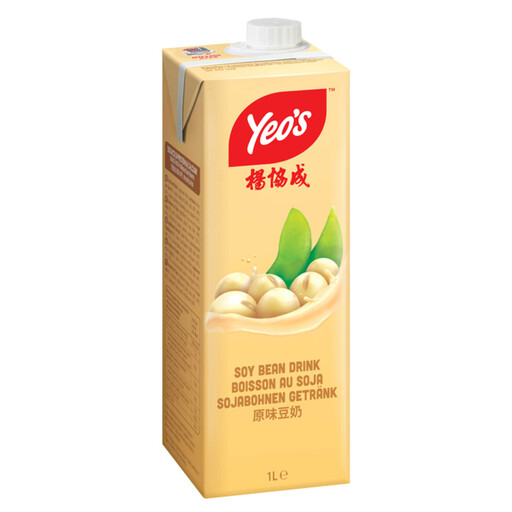 No image available
This non-dairy drink is described for use in recipes where soya is acceptable. It contains soybeans and lists 5.5 g sugars per 100 ml, so compare that declaration with the sweetness you want in the bake. Check the carton for any other required free-from claims and precautionary allergen statements; refrigerate after opening and follow its three-day use instruction.
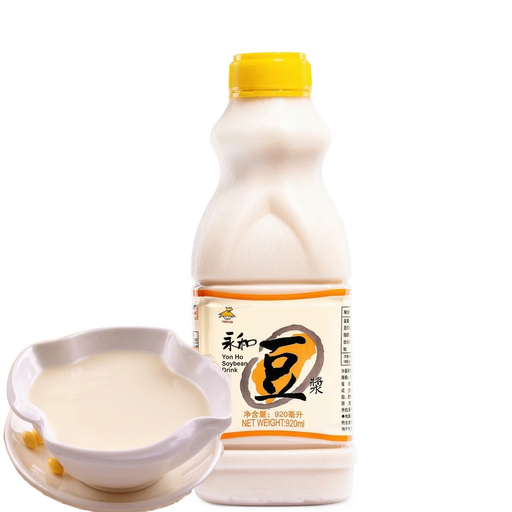 No image available
This drink is described as dairy-free and contains soybeans. It lists 4.5 g sugars per 100 ml and is not presented as unsweetened. If the bake has further allergy or gluten-free requirements, check the exact carton’s claims, ingredients and precautionary statements before using it.
Check the individual carton rather than making a category-wide assumption. Alpro UK labels its Soya Original and Soya No Sugars variants with all three claims, but those claims do not make either drink soya-free.
No. Vegan labelling does not replace allergen information. Check the exact drink’s ingredients and any precautionary allergen statement for milk before using it in a bake for someone with a milk allergy.
A precautionary statement addresses possible unintended allergen presence, separately from ingredients. Waitrose & Partners lists only water and organic soybeans as ingredients for Plenish Organic No Added Sugar Soya, but also states “May Contain Nuts”.
No: changing soya-drink brands does not remove the soybean ingredient. Choose a different drink category and check that product’s own ingredients and precautionary allergen information.
A sugars declaration helps you compare sweetness, not cake texture, rise or flavour. If the recipe is sensitive to those results, try the specific carton in a small batch before making the full bake.