Adults making everyday dairy-free hot drinks
If soya drink goes into your tea, hot chocolate, porridge or cooking regularly, compare the exact carton’s sugars, added nutrients and heating instructions rather than choosing by flavour alone.


For everyday hot drinks, start with an unsweetened soya drink and check its label for fortification if it regularly replaces dairy; NHS guidance on vegan diets includes fortified dairy alternatives such as soya drinks. Let very hot tea or coffee cool slightly before adding products that warn about separation. Choose a barista formulation when foam matters, or a short-ingredient-list carton when that recipe is your priority, while checking each product’s nutrition and allergen information.
If soya drink goes into your tea, hot chocolate, porridge or cooking regularly, compare the exact carton’s sugars, added nutrients and heating instructions rather than choosing by flavour alone.
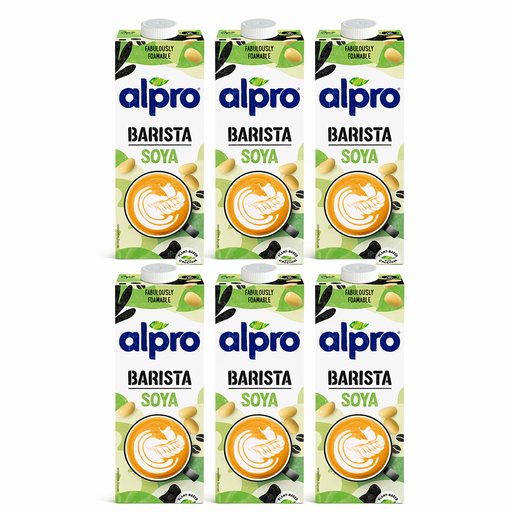
If foam is central to the drink, a barista-labelled formulation is worth considering. Alpro describes its Soya Barista product as foamable; check the nutrition panel separately.
A simple recipe may be your main preference. Check the individual carton for added nutrients if you also expect it to serve as a fortified dairy alternative.
Decide how you will use the drink, then compare labels on the same basis and follow the heating directions for the carton you choose.
| Priority | What to check | Your needs |
|---|---|---|
| Fortification | Look for added calcium, iodine, vitamin D and vitamin B12 on the ingredients or nutrition panel. Do not assume an unsweetened or organic carton contains them. | If soya drink regularly replaces dairy in my vegan routine, I want to know which nutrients the carton actually lists. NHS guidance includes fortified dairy alternatives such as soya drinks in a vegan diet. |
| Heating | Read the carton’s hot-drink directions. Sainsbury’s advises letting water cool slightly before adding its unsweetened soya drink; Waitrose also advises gentle heating and removing its product from the heat before boiling. | I want soya drink in tea, coffee or hot chocolate without avoidable separation, so preparation instructions matter as much as the serving suggestion. |
| Sugars and flavour | Compare sugars per 100ml for ready-to-drink cartons and check whether the variant is unsweetened, no-sugars or barista. Compare a powder’s prepared serving separately. | For frequent tea or porridge, I may prefer a less sweet drink; for a latte, foam may matter more. I would compare the exact variants rather than assume they have the same nutrition. |
| Allergens | Check the current pack for soya and any additional allergen or may-contain statement. The Plenish Organic No Added Sugar Soya listing, for example, carries a may-contain-nuts warning. | If an allergy affects my choice, I need the wording for this product, not an assumption about every soya drink. The Food Standards Agency identifies soya as an allergen. |
Unsweetened describes the formulation, not its added nutrients. ASDA lists added calcium, iodine and vitamins for its Plant Based Soya Unsweetened drink, while the listed ingredients for its distinct Just Essentials drink do not include those additions.
If fortification matters to you, compare the ingredients and nutrition panels of the exact cartons.
Sainsbury’s warns that its unsweetened soya drink can separate in a hot drink; Waitrose gives similar handling advice for its own product.
Let boiled water cool slightly before adding those drinks. For a heated recipe, follow the carton’s directions rather than assuming every formulation handles heat alike.
A foamable formulation and a no-sugars formulation address different preferences; the name of one variant does not establish the nutrition of another.
Compare sugars per 100ml, added nutrients and intended use on each carton.
The Food Standards Agency identifies soya as an allergen, and an additional may-contain warning can differ by product.
Check the current pack for soya and any other relevant allergen statement before use.
These examples illustrate differences between specific cartons and ranges; a brand name alone does not establish a product’s ingredients or heating behaviour.
Its soya range includes no-sugars, organic and barista variants for different recipes and drinks.
Its unsweetened soya drink is a retailer own-label option for everyday use.
ASDA lists a Plant Based unsweetened soya drink alongside a distinct Just Essentials carton.
Its unsweetened soya drink comes with specific guidance for heating and hot drinks.
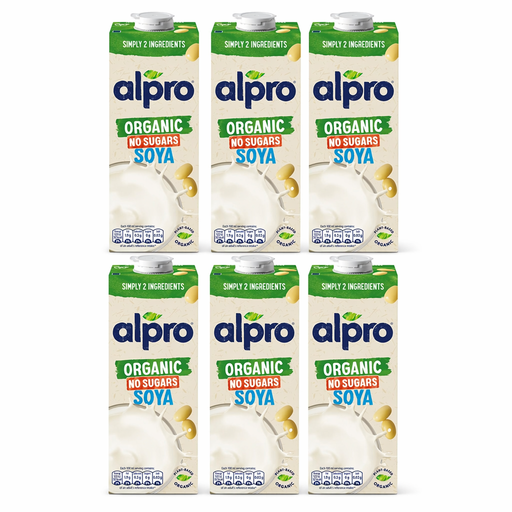
Its Organic No Added Sugar Soya listing names spring water and organic soybeans as ingredients.
These options cover coffee-focused barista drinks, everyday soya cartons and a hot-water drink powder. Compare their formats and labels against the way you intend to make your winter drink.
 No image available
Consider this listing when foam matters for coffee. Its title begins with “6”, while its description gives a quantity of 1L; confirm the pack count and total volume before ordering. Check the carton’s sugars and added nutrients for your usual drink.
 No image available
This organic listing is relevant if a short ingredient list is your priority for tea or coffee. Check its current carton for the added nutrients you want and for hot-drink preparation directions.
 No image available
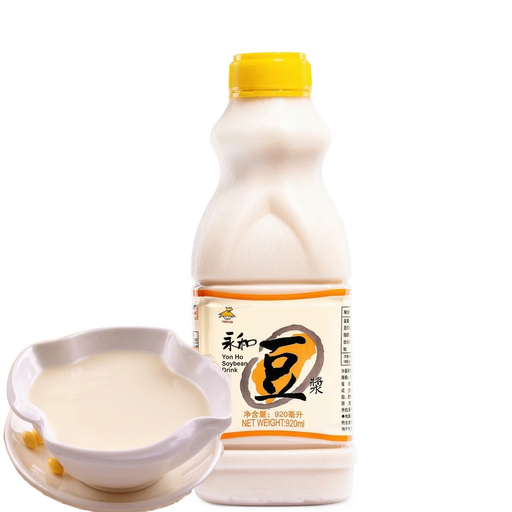
A ready-to-drink soybean option described for hot or chilled use. Compare its sugars and added nutrients with other cartons, and check the pack for heating directions before serving it warm.
 No image available
The no-sugars, long-life format is worth comparing for routine use. Check the current pack’s added nutrients, including iodine if that matters to your choice, and follow its directions when adding it to hot drinks.
 No image available
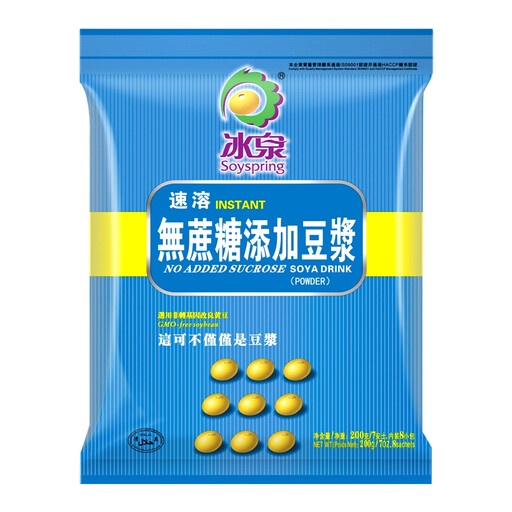
This powder is prepared with hot water rather than poured from a carton. Despite “Unsweetened” in the title, check the ingredients for maltose and use the serving instructions to assess sugars in the prepared drink; a value per 100g of powder is not a per-drink value. Check the pack for soya and wheat allergens.
Very hot drinks can cause separation in some products. Sainsbury’s advises letting water cool slightly before adding its unsweetened soya drink; Waitrose gives similar guidance and advises gentle heating for its own product. Follow the directions on your carton.
If soya drink regularly replaces dairy in a vegan diet, check the carton for added nutrients rather than assuming it is fortified. NHS vegan-diet guidance includes fortified dairy alternatives such as soya drinks and identifies calcium, iodine, vitamin D and vitamin B12 as nutrients needing attention.
No. The Plenish Organic No Added Sugar Soya ingredients listed by Waitrose are spring water and organic soybeans, while ASDA’s separate Plant Based unsweetened listing identifies added calcium, iodine and vitamins. Check the exact product’s label.
Check the current product’s full allergen statement before use. The Food Standards Agency identifies soya as an allergen, and the Plenish Organic No Added Sugar Soya listing also carries a may-contain-nuts warning; do not assume that warning applies to every soya drink.