Dairy-free households where soya is tolerated
For an everyday alternative to cow’s milk, compare the carton’s allergen statement, fortification, sweetness and storage instructions. A dairy-free label alone does not answer all of those questions.


For a dairy-free first shop, a soya drink is an option only for people who can have soya; check the current carton for ingredients and other allergen warnings, not just a dairy-free or vegan claim. If it will be used regularly, compare unsweetened options and their listed fortification, because nutrient content varies between plant drinks. Ordinary plant drinks must not replace breast milk or first infant formula before age 1, according to the NHS.
For an everyday alternative to cow’s milk, compare the carton’s allergen statement, fortification, sweetness and storage instructions. A dairy-free label alone does not answer all of those questions.
Check for the particular allergens your household needs to avoid. Soya drink contains soya, and ASDA’s Plant Based Soya Unsweetened listing also carries a “May Contain: Nuts” warning.
Age changes the decision. The NHS says to continue breast milk or first infant formula until at least age 1; its North West regional guidance discusses unsweetened, fortified alternatives for children aged 1 or over while noting that soya may not suit some children with cow’s-milk protein allergy.
Start with the allergens the drinker must avoid, then compare the label details that matter for how your household will use the carton.
| Priority | What to check | Your needs |
|---|---|---|
| Allergens | Read the ingredients, highlighted allergens and precautionary statements on the current carton. ASDA’s Plant Based Soya Unsweetened listing states “Contains: Soya” and “May Contain: Nuts”. | I’m avoiding dairy, but I also need to know whether soya or nuts are a concern for anyone who will drink it. |
| Fortification | Compare the ingredients and nutrition information for calcium, iodine, vitamin D and vitamin B12. UK government advisers report that nutrient content varies considerably between plant drinks. | If this will be a regular alternative to cow’s milk, I want to compare the nutrients listed for the particular carton, not assume all soya drinks are alike. |
| Sweetness | Look for an unsweetened option if that is your preference, then compare sugars per 100 ml on the nutrition panels. Product names alone do not give a like-for-like comparison. | For cereal, drinks or cooking, I’d prefer to check the sugar figure before choosing a carton for everyday use. |
| Age and use | Check who will drink it. The NHS says breast milk or first infant formula should continue until at least age 1; its North West regional guidance addresses unsweetened, fortified plant drinks for children aged 1 or over. | If I’m shopping for a child, I need a choice appropriate to their age and any diagnosed allergies, rather than treating an ordinary plant drink as infant formula. |
Soya is itself an allergen. A drink made without dairy can also carry a precautionary warning for another allergen, as ASDA’s Plant Based Soya Unsweetened listing does for nuts.
Match the ingredients and warnings on the current carton to the allergens the drinker must avoid, including on repeat purchases.
UK government advisers say the nutrient content of plant drinks varies considerably. For example, Waitrose lists added calcium, iodine and vitamins for its Essential Unsweetened Soya Drink; that listing cannot establish what is in another carton.
Compare the specific products’ ingredient lists and nutrition information per 100 ml if fortification matters to your choice.
An ordinary plant drink is not a substitute for breast milk or first infant formula before age 1. The NHS says to continue breast milk or first infant formula until at least that age.
For an infant, follow NHS feeding guidance and seek advice from the child’s healthcare professional if an alternative feed is needed.
Ingredients and allergen information can change. Sainsbury’s advises shoppers to read the product label rather than rely solely on its online listing.
Check the carton you receive before use, particularly when an allergy or a specific fortification requirement affects the choice.
These examples show why the exact variant matters: a brand name does not establish the ingredients or allergen warnings on every carton it sells.
Alpro offers chilled and long-life soya drinks, including No Sugar variants.
Tesco’s own-label unsweetened soya drink is a product to compare when shopping for a dairy-free carton.
Sainsbury’s own-label Unsweetened Soya Drink is another variant to consider.
Asda lists both Plant Based Soya Unsweetened and JUST ESSENTIALS Unsweetened Soya Drink.
M&S lists sweetened and unsweetened soya drinks in its Plant Kitchen range.
Waitrose lists Essential Original and Essential Unsweetened long-life soya drinks.
These Joybuy options cover different first-shop uses, from a long-life No Sugars carton to a coffee-focused drink and smaller individual cartons. Check each current product label against your household’s allergens and preferred nutrition details.
 No image available
The long-life format may suit a first shop planned around cupboard storage. The title identifies an 8 × 1 L pack; check the current carton’s allergen warnings and fortification if either affects your choice.
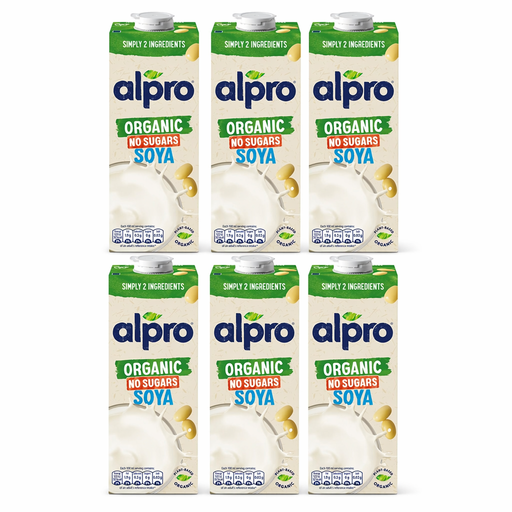 No image available
This is another soya-drink option for a household where soya is tolerated. Compare its current ingredients, sugars per 100 ml and fortification with other cartons rather than assuming it matches a different Alpro variant.
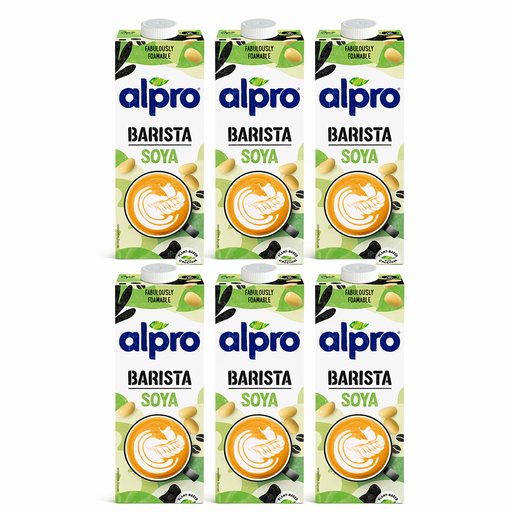 No image available
The Barista variant is a coffee-focused option. If the same carton will also be used for cereal or everyday drinks, compare its sugars per 100 ml, fortification and allergen statements with a general-purpose soya drink.
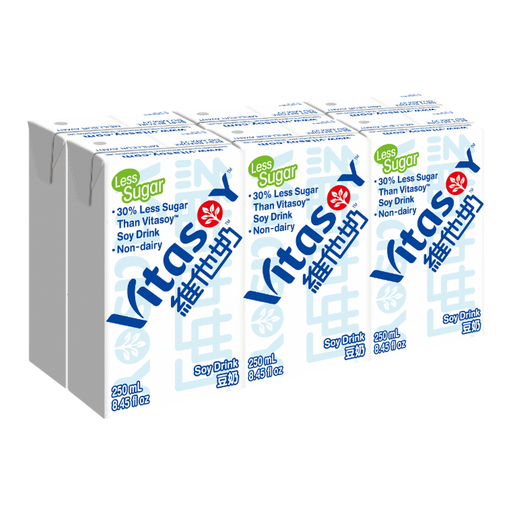 No image available
The six 250 ml cartons offer individual servings rather than a larger carton. Check the current sugars figure per 100 ml and any listed fortification before choosing it for regular use; also check the allergen statement for the intended drinker.
A soya drink can be a dairy-free choice if the person drinking it can have soya. Dairy-free does not mean free from every allergen, so read the ingredients and precautionary statements on the current carton.
No. A vegan description does not establish nut-allergy suitability. ASDA’s Plant Based Soya Unsweetened listing, for example, states “Contains: Soya” and “May Contain: Nuts”; check the carton relevant to your purchase.
Compare the particular cartons’ nutrition information and added nutrients, especially calcium, iodine, vitamin D and vitamin B12 if those matter to your household. UK government advisers report considerable variation in nutrient content between plant drinks, so do not assume that all soya drinks have the same fortification.
No. The NHS says to continue breast milk or first infant formula until at least age 1. If a baby needs an alternative feed, follow advice from their healthcare professional rather than substituting an ordinary plant drink.
No. NHS North West regional guidance notes that soya may not suit some children with cow’s-milk protein allergy because of possible cross-reactivity. Follow the child’s healthcare advice and check the ingredients of the particular drink before buying it.