Choose a soya drink to accompany a carbohydrate-containing meal or snack, rather than relying on the drink alone for marathon-training fuel. For regular use, compare fortification, protein, sugars, allergens and storage instructions; an unsweetened drink suits a meal where carbohydrate comes from other foods, while a higher-protein variant still needs to fit the rest of the meal.
Who is this choice for?
Plant-based marathon trainees
If you use dairy-free foods, a soya drink can be part of breakfast or a post-run snack. The NHS recommends fortified dairy alternatives for vegan diets, while UK Sports Institute guidance points to carbohydrate and protein together after a run.
Runners choosing an unsweetened drink
An unsweetened soya drink can go into porridge, cereal or a smoothie when you prefer not to add sugars through the drink. Include carbohydrate-containing food when the meal is intended to fuel training.
Buyers stocking up on cartons
Long-life cartons may suit cupboard storage before opening. Check each carton’s instructions for refrigeration and use after opening, particularly if you are buying several at once.
What should you check before buying?
Start with the meal you plan to make, then compare the drink’s label and pack format against that use.
| Priority | What to check | Your needs |
|---|
| Training meals |
Check carbohydrate on the nutrition panel and consider the whole meal or snack. UK Sports Institute guidance discusses carbohydrate alongside protein after a run. |
I’m making a pre-run breakfast or post-run snack and need to plan the carbohydrate-containing food as well as the drink. |
| Protein |
Compare protein per 100 ml and per intended serving. Check the current panel even if the carton is labelled high protein. |
For a post-run meal, I want to know how much protein the drink contributes without treating it as the whole meal. |
| Fortification |
Look for calcium, vitamin D, B12 and iodine on the individual carton. The NHS highlights fortified dairy alternatives and these nutrients in its vegan-diet guidance. |
If I regularly replace dairy milk, I want to see which nutrients this particular soya drink contains. |
| Sugars |
Compare sugars per 100 ml and the ingredients. A no-sugars label describes the drink, not the carbohydrate content of the whole meal. |
I prefer an unsweetened drink for everyday use and can get carbohydrate from foods such as porridge, bread or fruit. |
| Storage |
Distinguish unopened storage from instructions after opening; check refrigeration and the stated use period for each product. |
If I buy several cartons, I need a size I can use according to the opened-pack instructions. |
| Allergens |
Read the ingredient and allergen declaration on every pack. The Food Standards Agency identifies soya as an allergen. |
If anyone using the drink has a soya allergy, I need to avoid soya drinks and check labels on alternatives too. |
What is easy to overlook?
-
Treating a no-sugars drink as complete run fuel
A no-sugars soya drink does not replace the carbohydrate-containing food in a training meal. UK Sports Institute guidance discusses carbohydrate and protein together after a run.
Plan the drink alongside food that supplies carbohydrate, and practise your meal choice and timing during training.
-
Assuming every soya drink is fortified alike
Fortification is product-specific. The NHS recommends fortified dairy alternatives in vegan diets, but a plant-based label alone does not identify which nutrients a carton contains.
Compare the current label for calcium, vitamin D, B12 and iodine if those nutrients matter to your choice.
-
Applying unopened storage rules after opening
Long-life packaging does not mean an opened carton can stay in the cupboard. Waitrose & Partners and Sainsbury’s give after-opening instructions for their respective soya drinks.
Follow the specific carton’s refrigeration and use instructions, and choose a pack size that suits how quickly you will use it.
-
Overlooking the soya allergen
The Food Standards Agency identifies soya as an allergen that can pose a risk to people with a soya allergy.
Avoid soya drinks if you have a soya allergy, and check the allergen declaration when choosing an unfamiliar product.
Which brand ranges are relevant?
These examples show why the exact variant matters: a brand name alone does not establish a drink’s nutrition or storage instructions.
Alpro
Alpro has soya-drink variants for different uses; check the particular carton rather than applying one variant’s label to the range.
- Sainsbury’s describes Alpro Soya No Sugars Long Life as a UHT drink with added calcium, iodine and vitamins B2, B12 and D2.
- Its no-sugars description does not make the drink a substitute for carbohydrate-containing training food.
Sainsbury’s
Sainsbury’s lists an own-label unsweetened soya drink; check the format and label of the variant you buy.
- Its chilled Unsweetened Soya Drink lists calcium, iodine, vitamin D and B12, with 2.2 g protein per 100 ml, according to Sainsbury’s.
- Do not assume a separately listed long-life carton has identical nutrition or storage instructions.
Waitrose Essential
The Essential Unsweetened Soya Drink is a UHT own-label option with stated fortification.
- Waitrose & Partners lists added calcium, vitamin D, B12, B2 and iodine, and 3.4 g protein per 100 ml.
- Waitrose & Partners instructs buyers to refrigerate this product below 5°C and consume it within three days of opening.
Tesco
Tesco lists an own-label long-life unsweetened soya drink.
- Tesco describes its 1 L drink as containing added calcium, potassium iodide, vitamin B12, riboflavin and vitamin D2.
- Check the carton’s nutrition panel and after-opening instructions when comparing it with another variant.
Soya drink options on Joybuy
These soya drinks cover a six-carton supply, a larger single carton and an individual portion. Compare their pack sizes and labels with the meal you intend to make; none replaces the rest of a training meal.
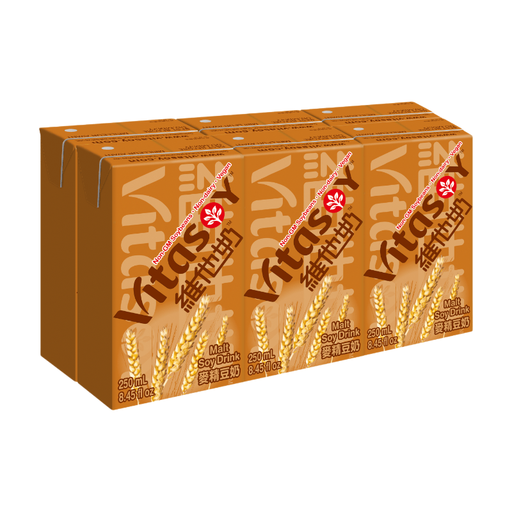 Image unavailable
Vitasoy Malted Soy Milk, 6 × 250 ml
The six smaller cartons suit a supply for separate breakfasts or snacks. This is not a no-sugars option; check the ingredient and allergen label, including barley, and follow the pack’s instructions after opening.
View on Joybuy
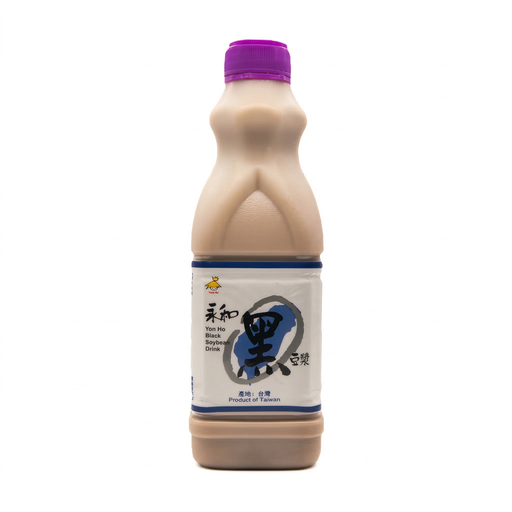 Image unavailable
YONHO Black Soybean Drink, 920 ml
The larger single carton is an option for preparing several meals or drinks. It lists white sugar among its ingredients; check the current nutrition and allergen labels if sugar content or soya suitability affects your choice, and follow the after-opening instructions.
View on Joybuy
 Image unavailable
YON HO Black Soybean Drink, 300 ml
This individual carton suits a single breakfast or snack rather than stocking up in a larger format. It contains soya and lists sugar among its ingredients; its stated after-opening instruction is to refrigerate and consume within 24 hours.
View on Joybuy
Frequently asked questions
Can soya milk fuel a marathon-training run on its own?
Do not rely on a soya drink alone as your training meal. Plan carbohydrate-containing food alongside it; UK Sports Institute guidance discusses carbohydrate and protein together after a run.
Is unsweetened soya drink useful before a run?
It can be part of a pre-run meal if you prefer an unsweetened drink and include carbohydrate-containing food such as porridge, cereal, bread or fruit. Practise the meal and its timing during training.
What should a vegan runner check on the carton?
Check whether the specific soya drink contains added calcium, vitamin D, B12 and iodine. The NHS recommends fortified dairy alternatives, including soya drinks, in its vegan-diet guidance and identifies these nutrients as ones to pay attention to.
How should I store an opened carton?
Follow that carton’s instructions rather than applying one product’s timing to another. Waitrose & Partners says to refrigerate its Essential Unsweetened Soya Drink below 5°C and use it within three days of opening; Sainsbury’s also specifies three days for its chilled Unsweetened Soya Drink.
Can I choose a soya drink if I have a soya allergy?
No: avoid soya drinks if you have a soya allergy. The Food Standards Agency identifies soya as an allergen; check the declaration on each product you consider.


