
24/7 Customer Support

Free returns

Same-day & Next-day Delivery

Quality Guaranteed

Unlock Your Welcome Offers: FREE Delivery | Up to 80% OFF | Free 30-day JoyPlus trial
Download the APP
Soya milk powder can be a convenient option for breakfast, work, travel or a plant-based protein drink after exercise. It is easy to store, usually faster to prepare than homemade soya milk and available in classic, unsweetened, black soya bean and flavoured varieties.
However, attractive front-of-pack claims do not always tell you what you are buying. A powder labelled “sugar-free”, for example, may still contain maltose syrup or other sweeteners. Likewise, a large pack may look economical but be less suitable if you only drink it occasionally.
Check the ingredients list and the sugars value per 100g, rather than relying on the front label. Some products described as sugar-free contain maltose syrup, which contributes carbohydrate and sugar. Erythritol is different from sugar, but products containing it should still be used according to the packaging instructions.
For a less sweet drink, look for a short ingredient list based mainly on soya beans. Pure black soya bean products and some unsweetened soya milk powder options may be more suitable, although their flavour can be stronger and more earthy.
Protein values are normally displayed per 100g of powder, not per prepared drink. A product showing 40g protein per 100g may provide approximately 8g in a 20g serving. To compare a high-protein breakfast drink fairly, calculate the amount in the recommended serving size.
Also check whether the powder is made from soya beans alone or blended with chickpeas, grains, fruit, coffee, cocoa or cereal ingredients. These additions affect taste, texture, allergens and nutritional values.
“Instant” does not always mean suitable for cold water. Several products require warm or hot water and thorough stirring. A powder that needs 180–200ml of water may also taste too concentrated if prepared in a smaller mug.
After opening, keep the pack sealed and store it in a cool, dry place away from direct sunlight. Follow the stated best-before information and consume prepared drinks promptly. Sachets can reduce measuring and storage hassle, but larger pouches may offer more servings for regular users.
Look for a clearly stated quantitative ingredient declaration, such as 40%, 49.4%, 54% or 100% soya beans. A higher soya bean proportion does not automatically mean you will prefer the taste, but it provides a useful comparison point.
For Chinese soya milk powder, traditional recipes often combine soya beans with maltose syrup, sugar or maltodextrin. These can create a smoother, sweeter drink, while pure soya milk powder gives you more control over sweetness and blending.
Use the nutrition table to compare:
For example, LOONG SOYA MILK Pure Yellow Soya Milk Powder lists 40g protein and 2g sugars per 100g. By contrast, the YON HO Classic Original 720g product lists 18g protein and 32g sugars per 100g. These products serve different preferences, so compare the figures rather than assuming “original” means unsweetened.
Soya beans are a legally recognised allergen in the UK and should be clearly emphasised on the label. Some blends also contain barley or oats, which may be unsuitable for people avoiding gluten. Read the full ingredients and allergen declaration every time, especially when buying a flavoured soya milk powder.
Vegetarians and vegans should also check flavourings, non-dairy creamers and other added ingredients. Product formulations can change, so the packaging supplied with your order remains the practical reference.
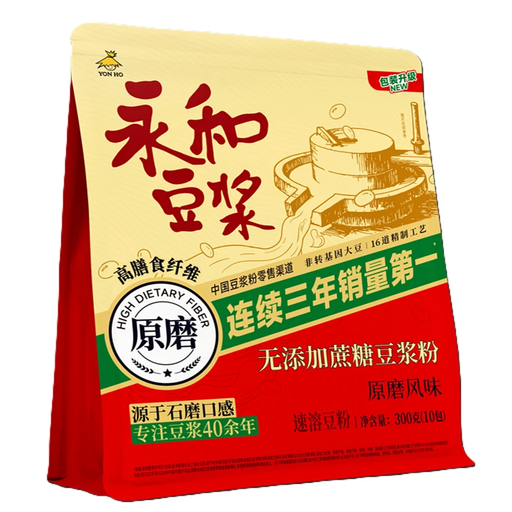
Why This Fits Their Persona: A practical entry point for UK shoppers who want a traditional, sweetened instant soya milk powder without committing to a large family pack.
The listing states the ingredients include soya bean powder, maltodextrin and sugar, making the sweetened profile clear rather than implying it is an unsweetened option.
300g pack; 25g suggested powder serving; 25g protein per 100g according to the supplied nutrition information.
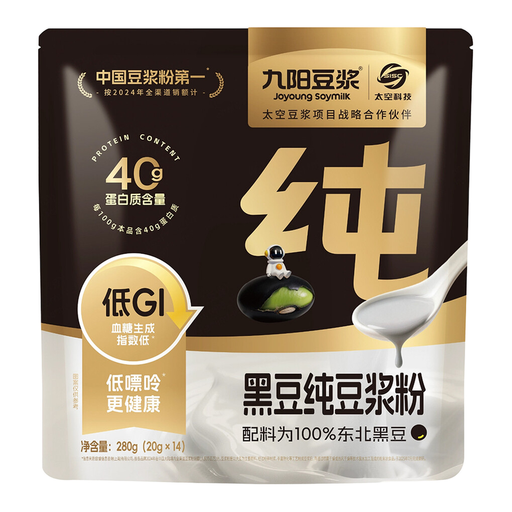
Why This Fits Their Persona: Suitable for shoppers prioritising a short ingredient list and portion control over added flavour.
The supplied ingredient list states black soya bean (soya) at 100%, with no sugar, flavourings or preservatives listed.
14 individual 20g sachets; 40g protein per 100g; recommended preparation uses 120–150ml of warm water.
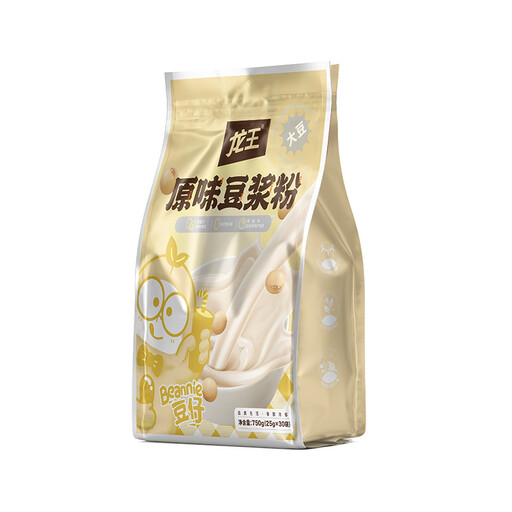
Why This Fits Their Persona: A larger single-serve format for households, offices or regular drinkers who want a ready portion each morning.
The 30-portion format avoids repeated measuring, while the instructions specify approximately 180ml of water and an 80–85°C preparation temperature.
Ingredients are listed as soya beans and maltose syrup; individual sachets are useful for commuting, shared kitchens and travel.
For a smooth drink, add the powder gradually while stirring rather than tipping it into water all at once. A whisk, shaker or handheld milk frother can help reduce clumps. Use the temperature and water volume printed on the pack: some products are designed for hot water, while matcha cold-brew formats can be mixed with cold or room-temperature water.
Single-serve soya milk sachets are useful when you want consistent portions and less exposure to humidity. Reseal larger bags promptly and use a clean, dry spoon. If the powder develops an unusual smell, colour or texture, do not use it.
We have compiled a complete, real-time list of products that fully satisfy these strict selection criteria and UK safety regulations.
Some products may be suitable for vegans, but this cannot be assumed from the word “soya”. Check the complete ingredients list for milk-derived ingredients, non-dairy creamers and flavourings. Always check the allergen information for soya beans and any added cereals.
It depends on the pack price, serving size and how much powder is used. Compare the cost per prepared serving, not just the price per bag. Powder also tends to require less cupboard space and may reduce the need to carry heavy liquid cartons, but preparation time and hot-water access should be considered.
It can be mixed into a plant-based protein drink or breakfast drink, provided the nutritional profile suits your routine. Check protein per serving, sugar, serving size and any added caffeine in coffee or cocoa blends. It should be viewed as a food product, not a medical or therapeutic preparation.