
24/7 Customer Support

Free returns

Same-day & Next-day Delivery

Quality Guaranteed

Unlock Your Welcome Offers: FREE Delivery | Up to 80% OFF | Free 30-day JoyPlus trial
Download the APP
For many, a warm cup of soya milk is a comforting daily ritual, a source of plant-based protein or a nostalgic taste of home. However, navigating the shelves to find a quality soya milk powder can be surprisingly tricky. Packaging claims can be confusing, and what seems like a healthy choice might be hiding unnecessary additives. As a Joybuy Product Recommendation Officer, my role is to help you see past the marketing and focus on what truly matters. This guide will break down the common pitfalls and highlight the key factors to check before you buy.
A savvy shopper is an informed one. Here are three frequent issues that can lead to a disappointing purchase and wasted money:
To avoid these traps, focus your attention on these three non-negotiable details on the product label.
This is the most reliable source of truth. For a high-quality, nutritious product, the ingredient list should be short and simple.
Not all soybeans are the same. The two most common types you will encounter are:
Protein content is a strong indicator of quality and purity. A higher protein percentage per 100g suggests a greater concentration of soybeans versus fillers. A quality instant soy milk powder will typically have a protein content of 35g or more per 100g. Products with protein levels below 20g per 100g are often heavily supplemented with sugars or other fillers.
Based on these practical criteria, here are a few options tailored to different needs and preferences.
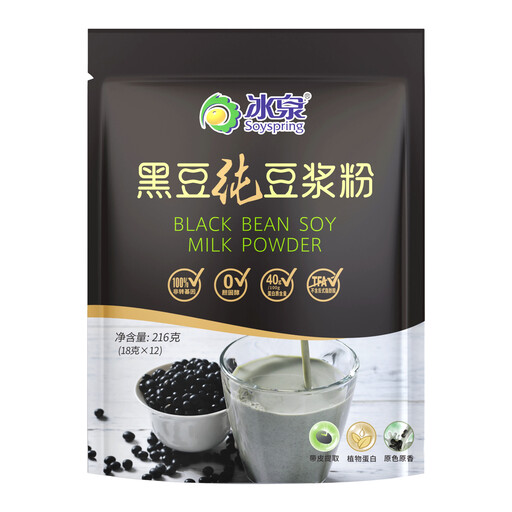
Why This Fits Their Persona: This is for the individual who reads every label. They want maximum nutrition with zero compromise, making it a perfect post-workout drink or a clean start to their day. The single-serving sachets also suit a busy, health-focused lifestyle in the UK.
It completely sidesteps the "hidden sugar" and "misleading pure" traps. The ingredient list is simply "BLACK SOYBEANS (100%)", offering total transparency.
An impressive 40g of protein per 100g and no additives whatsoever. The rich, nutty flavour comes purely from the black soybeans.
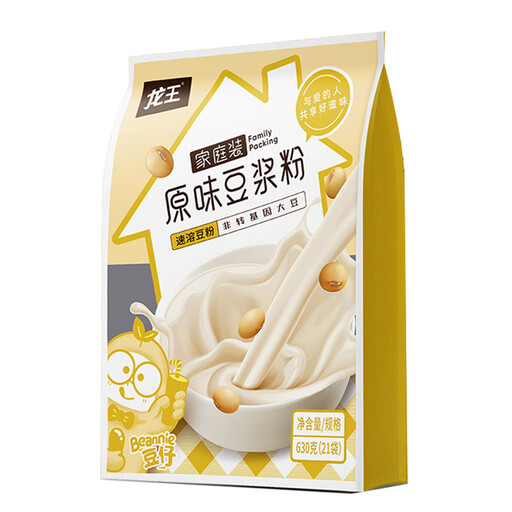
Why This Fits Their Persona: This is for the household that goes through soya milk quickly. They need a cost-effective solution that doesn't compromise on a clean ingredient list. The individual sachets are perfect for busy mornings, ensuring everyone gets a quick, nourishing drink.
This product is explicitly labelled with "No added sucrose," directly addressing the hidden sugar concern. The bulk family pack provides excellent value, avoiding the higher per-unit cost of smaller boxes.
Excellent value with a 630g pack containing 21 sachets. The ingredients are simple: just soya beans and maltose syrup, providing a balanced, lightly sweet flavour without added table sugar.
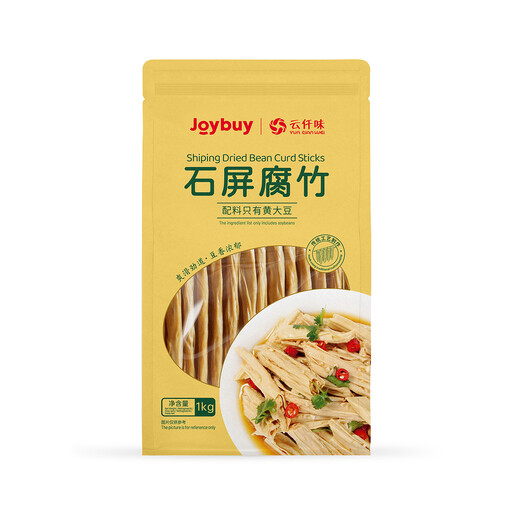
Why This Fits Their Persona: This user is looking beyond drinks and wants authentic ingredients for traditional cooking. For anyone in the UK wanting to make authentic Chinese hot pot, braised dishes or salads, these dried tofu sticks (fuzhu) are an essential pantry staple.
By being a primary ingredient rather than a processed powder, it avoids all the common pitfalls. The quality is evident in its texture and ability to hold up during cooking, not in how well it dissolves.
Made with 100% non-GMO yellow soybeans and naturally sun-dried. They rehydrate to a resilient, chewy texture that absorbs flavour beautifully, perfect for a wide range of Asian culinary applications.
We have compiled a complete, real-time list of products that fully satisfy these strict selection criteria and UK safety regulations.
1. How can I prepare instant soy milk powder without getting clumps? The key is to use warm, not boiling, water—around 70-85°C is ideal. Pour the water into your cup first, then gradually add the powder while stirring continuously. This helps the powder dissolve evenly. For an even smoother result, a small battery-powered milk frother or a simple shaker bottle works wonders.
2. Is there a taste difference between black and yellow soya milk powder? Yes. Standard soya milk powder made from yellow soybeans has a mild, creamy and subtly sweet flavour. Black soybean powder tends to have a richer, nuttier and more roasted taste profile that many people find very satisfying. The choice between them is purely down to personal preference.
3. Can I use soya milk powder in recipes instead of liquid milk? Absolutely. Unsweetened soya milk powder is a versatile ingredient. You can add a scoop directly into smoothies or porridge to boost the plant-based protein powder content. For baking, simply reconstitute the powder with water according to the package directions to create a liquid milk substitute. Just be mindful that sweetened powders will add sugar to your recipe.