
24/7 Customer Support

Free returns

Same-day & Next-day Delivery

Quality Guaranteed

Unlock Your Welcome Offers: FREE Delivery | Up to 80% OFF | Free 30-day JoyPlus trial
Download the APP
Soya milk powder has become a staple in many UK kitchens, offering a convenient, long-lasting and protein-rich alternative to dairy. Whether you're vegan, lactose intolerant, a fitness enthusiast or simply enjoy the taste of a traditional instant soy drink, the choices can be overwhelming. However, not all powders are created equal, and navigating the market can lead to disappointing purchases.
As a Joybuy Product Recommendation Officer, my role is to help you see past the marketing jargon. Let's look at the common pitfalls to avoid and what really matters when selecting a quality soya milk powder that fits your needs.
Many shoppers find their chosen powder is not what they expected. This often comes down to a few common issues that are easy to overlook on the packaging.
To ensure you get a product you'll enjoy, focus on these three core parameters before you buy.
The most reliable indicator of quality is the ingredients list. A pure soy milk powder will list one ingredient: soybeans (100%). These products offer the highest concentration of nutrients and the most authentic, unadulterated soy flavour.
For blended or flavoured powders, UK regulations require a Quantitative Ingredient Declaration (QUID). This tells you the exact percentage of key ingredients, such as "Soybeans (55%)". Always check this figure to understand how much soy you are actually getting.
Decide what level of sweetness you prefer and scrutinise the ingredients accordingly.
For those focused on nutrition, the protein content is paramount. Compare products by looking at the protein value per 100g in the nutritional information table. Powders made from 100% soy can offer 40g of protein or more per 100g, making them an excellent choice.
You may also encounter different types of soybeans. While standard yellow soybeans provide a classic creamy taste, black soybean powder offers a distinctively richer and nuttier flavour profile that many people enjoy.
Based on these practical criteria, here are a few options tailored to different needs and preferences.
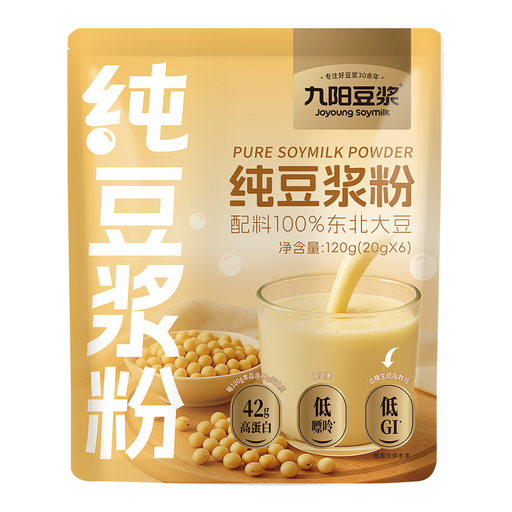
Why This Fits Their Persona: This user prioritises nutrition above all. They want maximum protein with zero additives for post-workout recovery, adding to smoothies or as a clean, dairy-free base.
Made from 100% soybeans, it completely avoids the filler and hidden sweetener traps. Its high protein content is a direct result of its purity.
Features an impressive 42g of protein per 100g. The individual sachets are perfect for the gym bag or office drawer.
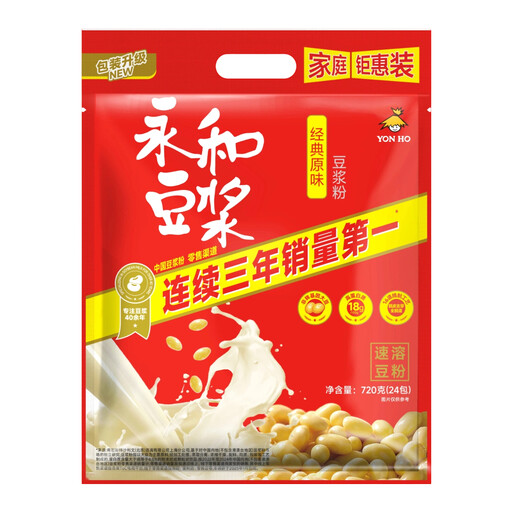
Why This Fits Their Persona: This user is looking for a comforting, convenient and authentic-tasting instant soy drink, reminiscent of traditional Chinese-style breakfast beverages. Taste and convenience are more important than zero sugar.
It is transparent about its ingredients (soybeans, maltose syrup, maltodextrin), delivering a specific flavour profile rather than masquerading as a pure health food.
Delivers a classic, smooth and balanced sweet taste. The large 720g pack size offers great value for those who drink it regularly.
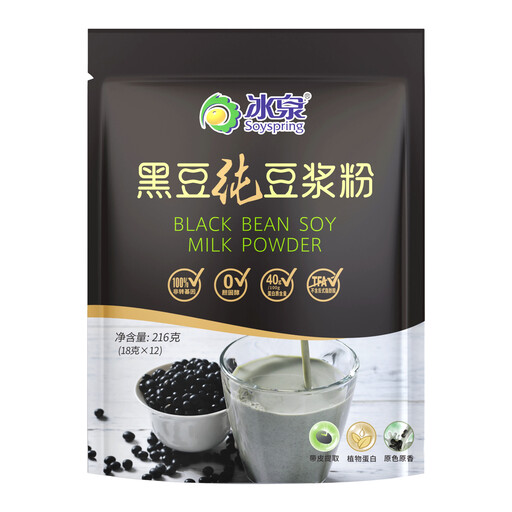
Why This Fits Their Persona: This user enjoys trying new things and is drawn to unique flavours. They appreciate pure ingredients but also want a taste experience that's different from standard soy milk.
This is a 100% pure black soybean powder. It sidesteps all traps by containing no fillers or sweeteners, offering a clean, authentic and novel flavour.
Provides a rich, nutty flavour distinct from yellow soy. It's also a high-protein option (40g per 100g) in convenient single-serving sachets.
We have compiled a complete, real-time list of products that fully satisfy these strict selection criteria and UK safety regulations.
For the smoothest texture, use hot but not boiling water, ideally around 80°C. Add the powder to the water while stirring briskly, rather than pouring water onto the powder. Using a small milk frother or whisk can also create a perfectly smooth consistency in seconds.
Absolutely. Pure, unsweetened powders are an excellent dairy-free milk powder substitute in baking recipes. When adding to coffee, be aware that the high acidity and heat of some coffees can cause soy protein to curdle. To minimise this, try mixing the powder into a smooth paste with a small amount of lukewarm water first, then gradually pour your coffee into the paste while stirring.
The main difference is flavour. Yellow soybean powder, the most common type, has a mild, creamy and classic soy taste. Black soybean powder is made from black-skinned soybeans and typically has a richer, toastier and more pronounced nutty flavour. Both are excellent sources of plant-based protein and nutrients.