First-time dairy-free household shoppers
If one drink needs to cover cereal, hot drinks and cooking, compare the sweetness, fortification and storage instructions of individual cartons rather than choosing by the dairy-free label alone.


For an everyday dairy-free soya drink, an unsweetened carton with clearly stated calcium and vitamin fortification is a useful starting point for cereal, drinks and cooking. Choose long-life or chilled according to how you can store it, and check the exact carton: dairy-free does not mean soya-free, while guidance for young children varies by age and product.
The right carton depends on who will drink it and how your household will use it.
If one drink needs to cover cereal, hot drinks and cooking, compare the sweetness, fortification and storage instructions of individual cartons rather than choosing by the dairy-free label alone.
Look for an unsweetened or no-sugars declaration, then read the sugars value on the nutrition panel. Check ingredients and allergens separately: a sugar declaration tells you nothing about allergy suitability.
Age statements matter. NHS guidance identifies first infant formula as the suitable alternative to breast milk during the first 12 months; individual soya drinks can carry further restrictions on their use as a main milk drink.
Start with allergens and the intended drinker, then compare the carton’s nutrition information and storage instructions for everyday use.
| Priority | What to check | Your needs |
|---|---|---|
| Allergens | Read the ingredients and allergy advice on the exact carton. A milk-free soya drink still contains soya; check any may-contain statement relevant to your household. | I need to avoid milk without overlooking another allergen. ASDA’s listed unsweetened soya drink, for example, says it contains soya and may contain nuts. |
| Fortification | Compare the listed calcium, iodine and vitamins on each product’s nutrition panel and ingredients list. Do not assume all soya drinks have the same additions. | If this will be a regular household drink, I want to compare the nutrients stated on the cartons, not rely on the words ‘dairy-free’. |
| Sweetness | Check for ‘unsweetened’ or ‘no sugars’, then compare sugars per 100ml. Those descriptions are product-specific, not brand-wide. | I want one carton for breakfast, drinks and savoury cooking without choosing a sweeter version by accident. |
| Storage | Distinguish chilled from long-life cartons. Check unopened storage directions, refrigeration after opening and the stated period for using an opened carton. | For a first shop, I need the quantity I buy to fit both my cupboard or fridge space and how quickly I will use an open carton. |
| Children’s use | Check the child’s age and the exact product’s age statement. NHS guidance on milk in the first 12 months and a carton’s instructions address different stages. | If I am shopping for a young child, I cannot assume a general dairy-free drink is suitable as their main milk. Sainsbury’s says its unsweetened long-life soya drink is not suitable for that use under age 2. |
A soya drink can be milk-free while containing soya. The ASDA listing also carries a may-contain-nuts statement, and M&S says its unsweetened soya drink is not suitable for people with nut or peanut allergy.
Check the ingredients and allergy advice on the carton you are buying, including any precautionary statement relevant to you.
Product listings for Tesco, Sainsbury’s and Alpro name different added nutrients. A drink’s category or brand name alone does not establish its nutrient content.
Use each carton’s nutrition panel to compare the nutrients that matter for your shopping decision.
According to NHS guidance, first infant formula is the suitable alternative to breast milk in a baby’s first 12 months. An individual product may also restrict its use for older children.
Do not replace a baby’s main milk with an ordinary soya drink. For an older child, read the product’s age statement before choosing it as a main milk alternative.
Long-life describes storage before opening; it does not remove the need to follow the carton’s directions once opened. Chilled products need appropriate fridge space from the start.
Check both unopened and opened-carton instructions, then choose a quantity your household can use within the stated period.
An opened carton that cannot be used in time may go to waste.
These examples show why the individual product label matters; a feature of one drink does not apply to every drink from the same brand.
Waitrose lists an Alpro long-life soya drink labelled ‘No Sugar’, with added calcium, iodine and vitamins B2, B12 and D2.
Tesco lists a 1L long-life unsweetened soya drink with added calcium, iodine, vitamin B12, riboflavin and vitamin D2.
Sainsbury’s lists a 1L unsweetened long-life soya drink fortified with calcium, iodine, vitamin D and B12.
ASDA lists a milk-free unsweetened soya drink in its Plant Based range.
M&S lists an unsweetened soya drink fortified with calcium, iodine, vitamin D and vitamin B12.
Waitrose lists Essential Unsweetened Soya Drink as a long-life option alongside branded dairy-free drinks.
These soya-drink options include a long-life multipack, other full-size drinks and smaller cartons. Compare their labels with your allergy, sweetness and storage needs; they are not all interchangeable unsweetened options.
 No image available
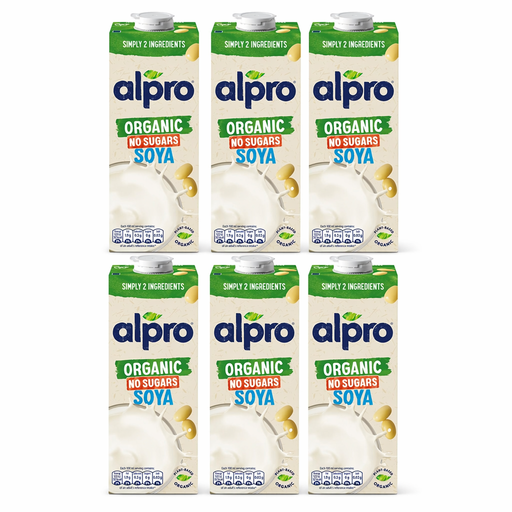
The long-life format may suit a cupboard stock-up if eight 1L cartons fit your storage and use plans. Waitrose’s listing for the Alpro No Sugar drink names added calcium, iodine and vitamins B2, B12 and D2; check the multipack cartons for their current ingredients, allergens and after-opening directions.
 No image available
If you are considering this Alpro drink for everyday use, check its carton for fortification, sugars and allergens. Confirm the pack quantity before choosing it for a first-shop stock-up.
 No image available
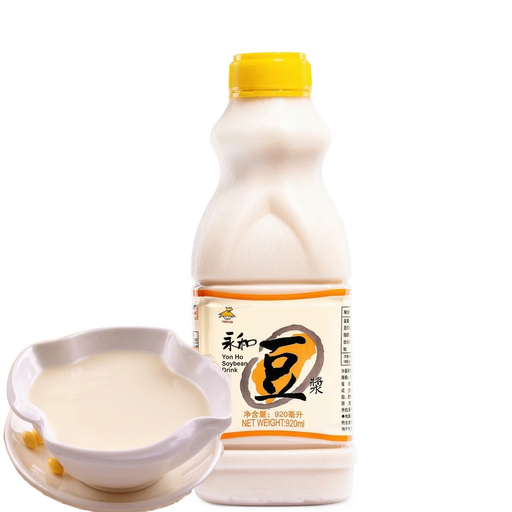
This 920ml soybean drink is another full-size option to consider. Check the carton’s sugars, allergens and storage directions if you need an unsweetened everyday drink or plan to keep it after opening.
 No image available
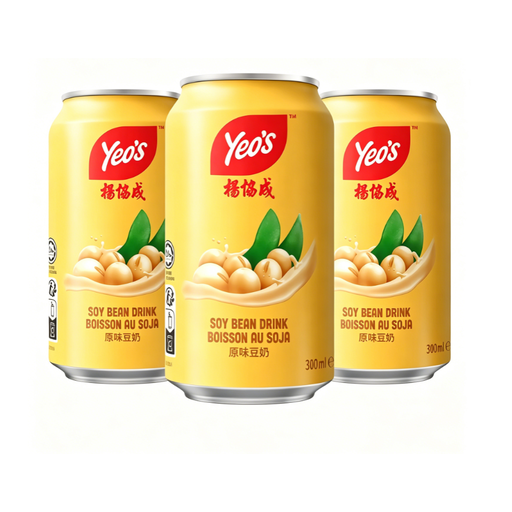
Three 300ml cartons offer a different portion format from a 1L carton. If sweetness is important for cereal or cooking, compare the sugars per 100ml on the label rather than assuming this is an unsweetened drink; check allergens too.
 No image available
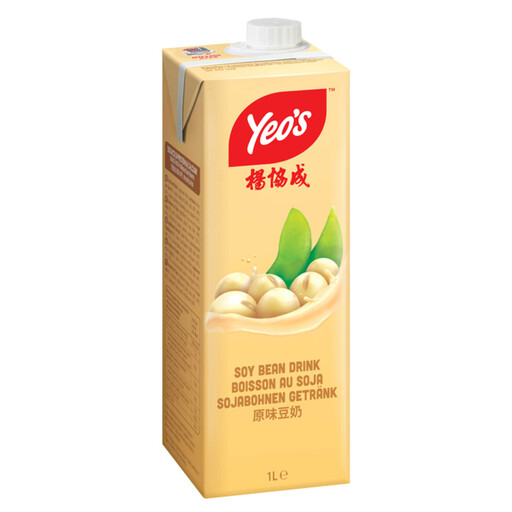
This 1L carton is a full-size alternative to the smaller Yeo’s pack. Read its sugar and fortification information if choosing a regular household drink, and follow its own storage instructions rather than assuming it has the same unopened or opened life as another carton.
No. A dairy-free soya drink can avoid milk while still containing soya. Check the ingredients and allergy advice on the exact carton, including any relevant may-contain statement.
Check the allergen statement first, then compare the sugars per 100ml, listed fortification and storage directions. ‘Unsweetened’, ‘long-life’ and ‘dairy-free’ each describe a different aspect of the drink.
Do not use an ordinary soya drink as a baby’s main milk during the first 12 months: NHS guidance identifies first infant formula as the suitable alternative to breast milk at that age. For an older child, follow the exact product’s age statement; Sainsbury’s says its unsweetened long-life soya drink is not suitable as a main milk alternative under age 2.
Choose according to the storage space and use pattern you have. A long-life carton can be useful for unopened cupboard storage when its directions allow it; a chilled carton needs fridge space. Follow either product’s refrigeration and use instructions after opening.
Use the listing to identify options, then check the ingredients and allergy advice on the carton you receive before serving it. That check is particularly important when avoiding milk alongside soya, nuts or peanuts.