
24/7 Customer Support

Free returns

Same-day & Next-day Delivery

Quality Guaranteed

Unlock Your Welcome Offers: FREE Delivery | Up to 80% OFF | Free 30-day JoyPlus trial
Download the APP
Soya milk has become a staple in many UK households, whether for dietary needs like a vegan or lactose-free lifestyle, or simply as a preferred plant-based milk alternative. Yet, the sheer variety on the shelves can be overwhelming. From long-life cartons to ready-to-drink packs, and from unsweetened to flavoured, making the right choice isn't always straightforward. Many shoppers find themselves disappointed with a product that doesn't match its "healthy" or "creamy" marketing.
As a Joybuy Product Recommendation Officer, my role is to help you navigate this market. We'll look past the clever packaging and focus on what truly matters, ensuring you find a soya milk that fits your taste, diet and budget. Here are the common pitfalls to watch out for.
To avoid these pitfalls, focus on a few core parameters. A quick check of the label can tell you everything you need to know.
The amount of sugar is a critical factor. Here’s how to interpret the labels:
The ingredients list is your friend. Look for the hulled soya beans percentage, which is often declared in brackets. A higher percentage (typically 7% or more) indicates a richer, more authentic product with a higher protein content. A lower percentage might suggest the drink is more diluted and relies on other ingredients for its flavour and texture. This simple check helps you find a genuine dairy-free milk rather than a flavoured water.
Consider how you'll use your soya milk:
Instead of a one-size-fits-all approach, we've matched some popular options to different needs and lifestyles.
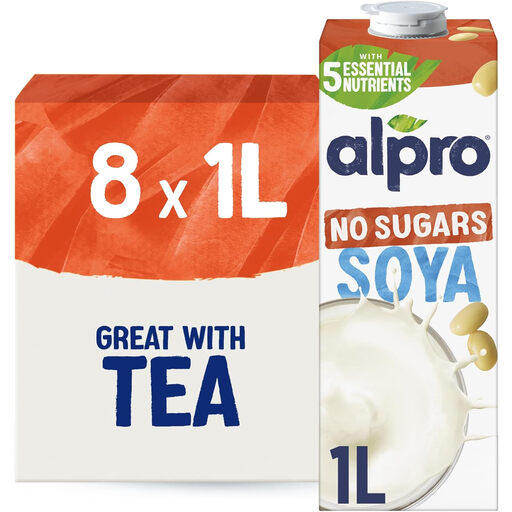
Why This Fits Their Persona: This user needs a versatile, unsweetened soya milk for daily use in everything from their morning porridge to savoury sauces. This bulk pack of long-life cartons ensures their pantry is always stocked with a reliable, healthy base ingredient.
It directly counters the "hidden sugar" pitfall with 0g of sugar. It also boasts a high soya bean content (8.7%), avoiding the "creamy illusion" trap by delivering genuine substance.
Completely unsweetened for maximum culinary versatility. Fortified with calcium and vitamins (B2, B12 and D) and comes in an economical 8-litre multipack.
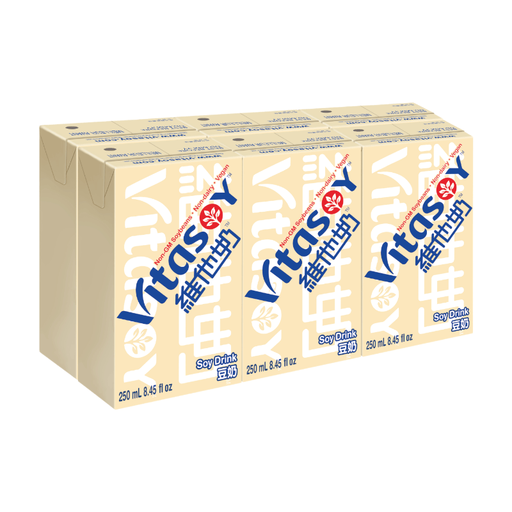
Why This Fits Their Persona: Perfect for those who grew up with or enjoy the classic taste of Asian soy milk. This ready-to-drink format is ideal for busy professionals, students or anyone needing a quick, satisfying and familiar-tasting plant-based drink.
It's an honest, convenient drink, not a health food masquerade. The sweetness is part of its classic flavour profile and the nutritional information is clear, allowing for an informed choice.
Delivers the authentic, smooth and lightly sweet taste of traditional soy milk. The 250ml multipack is perfectly portioned for on-the-go consumption.
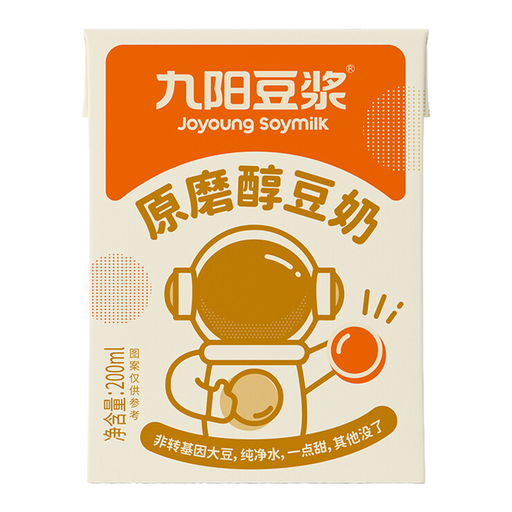
Why This Fits Their Persona: This consumer prioritises simplicity and avoids additives. They want a product that is as close to homemade as possible, with a clean, recognisable ingredient list and a focus on the natural flavour of the soya bean.
It completely sidesteps the "creamy illusion" trap by containing no stabilisers, emulsifiers or artificial flavours. Its ingredient list is just Water, Soybeans (8.5%) and White Sugar.
An exceptionally clean and minimalist ingredient list. The high 8.5% soya bean content delivers a pure, authentic taste with a smooth, natural texture.
We have compiled a complete, real-time list of products that fully satisfy these strict selection criteria and UK safety regulations.
Long-life soya milk has been treated with Ultra-High Temperature (UHT) processing, which allows it to be stored in your pantry for many months before opening. It's incredibly convenient for stocking up. Chilled soya milk is pasteurised at a lower temperature and must be kept in the fridge, with a much shorter shelf life. Some people find that chilled versions have a slightly fresher taste, while UHT is more practical for everyday availability.
Absolutely. Unsweetened soya milk is an excellent substitute for dairy milk in most recipes, from creamy pasta sauces and soups to cakes and pancakes. Its neutral flavour and stable protein structure work well in both sweet and savoury dishes. Just be mindful that sweetened or flavoured versions will impact the final taste of your dish.
That characteristic 'beany' flavour comes from an enzyme in the soybeans. The intensity of this flavour depends on the quality of the beans and the production process. Many modern brands use methods like de-hulling (removing the outer skin of the bean) or specific heating techniques to minimise this taste, resulting in a smoother, milder and more neutral-tasting vegan milk.