
24/7 Customer Support

Free returns

Same-day & Next-day Delivery

Quality Guaranteed

Unlock Your Welcome Offers: FREE Delivery | Up to 80% OFF | Free 30-day JoyPlus trial
Download the APP
Navigating the world of Asian cooking pastes can be a challenge. The term ‘soybean paste’ covers a vast family of condiments, from the mild, soupy base of Japanese miso to the fiery, funky kick of a Chinese black bean sauce. For UK home cooks, choosing the wrong one can lead to a dish that tastes nothing like the recipe intended. As the Joybuy Product Recommendation Officer, my role is to help you understand these differences so you can select the right product with confidence.
Many shoppers find themselves confused by the sheer variety, often making a few common missteps. Let's look at the main pitfalls to avoid.
Ssamjang (a seasoned dipping paste) in a recipe that calls for Japanese miso paste will result in a completely different flavour profile, often spicier and sweeter than desired. The base ingredients and fermentation processes vary significantly by region, creating distinct tastes and textures.fermented bean curd. Grabbing a jar of whole fermented black bean paste in oil when your recipe needs a smooth paste for a soup base will create an undesirable texture and an overly intense flavour.To ensure you get the right product for your culinary creations, focus on these three core parameters. Understanding them will demystify the labels and help you match the paste to your dish.
The primary ingredients used alongside soybeans define the paste's character. This is often tied to its country of origin.
Doenjang is the pure, savoury and pungent Korean soybean paste used for stews (jjigae). Ssamjang is a seasoned blend of doenjang, gochujang (chilli paste), garlic and sesame oil, designed primarily as a dipping sauce for Korean BBQ.Chinese bean sauce can be made from yellow soybeans or broad beans (doubanjiang) and ranges from savoury to spicy. Fermented black bean paste (douchi) is made from black soybeans and has a uniquely pungent, salty flavour, often preserved in oil or blended with garlic for stir-fries.Before adding a jar to your basket, check if it's a base ingredient or an all-in-one sauce.
miso paste or doenjang offer a concentrated umami and salty flavour. They are building blocks, giving you full control over the final taste of your dish. You will need to add other aromatics like garlic, ginger or sugar.Ssamjang, "Black Bean and Garlic Sauce," or "Spicy Soybean Sauce" are pre-mixed with other ingredients. They are designed for convenience, perfect for quick stir-fries, dips or marinades where you want a complete flavour profile straight from the jar.The final consideration is the paste's physical form, which dictates its use.
miso paste falls into this category.fermented black bean paste products, add texture and intense bursts of flavour. They are excellent for stir-frying with meat and vegetables.Fermented Bean Curd (Furu): Sold as cubes in brine, this has a soft, creamy texture similar to cheese. It is intensely salty and savoury and is typically used in small amounts as a condiment with congee or as a flavouring agent in braised dishes and vegetable stir-fries.Based on these criteria, we've matched some popular products to different types of home cooks.
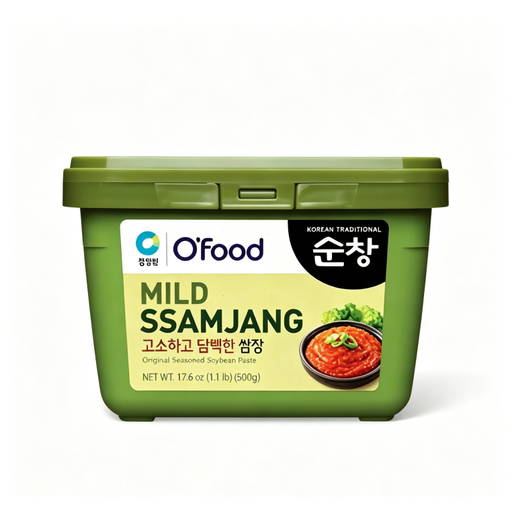
Why This Fits Their Persona: This is the quintessential dipping sauce for anyone recreating a Korean BBQ night at home. It's ready to serve straight from the tub with grilled meats, fresh lettuce and perilla leaves, delivering an authentic, balanced flavour without the need for mixing multiple ingredients.
This is a clearly labelled "seasoned" paste, preventing the mistake of using it as a pure stew base. Its purpose as a dipping sauce is clear, ensuring it's used correctly for maximum enjoyment.
A convenient, all-in-one sauce with a mild, savoury and slightly sweet profile that appeals to a wide audience. The 500g tub is great value for regular use.
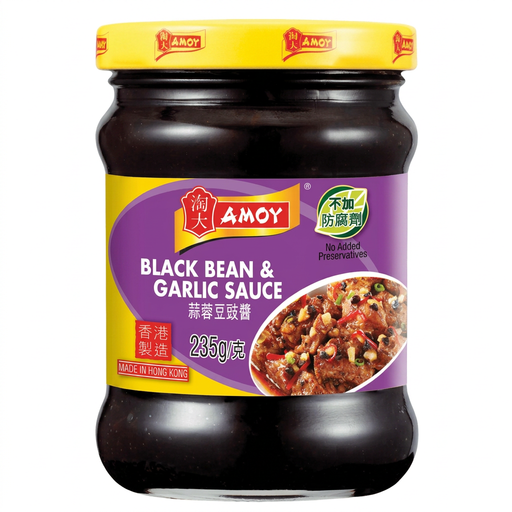
Why This Fits Their Persona: For someone wanting to make a quick, flavourful Chinese-style stir-fry without a dozen ingredients, this sauce is ideal. It combines the pungent, salty flavour of fermented black beans with garlic, creating a ready-made base for dishes like beef with black bean sauce.
This product avoids the "pure vs. seasoned" confusion. It is explicitly a cooking sauce, not a pure paste, making it straightforward for beginners to use correctly and achieve a balanced, savoury dish.
Delivers a classic, umami-rich flavour with minimal effort. The product is also made with no added preservatives, which is a plus for health-conscious consumers.
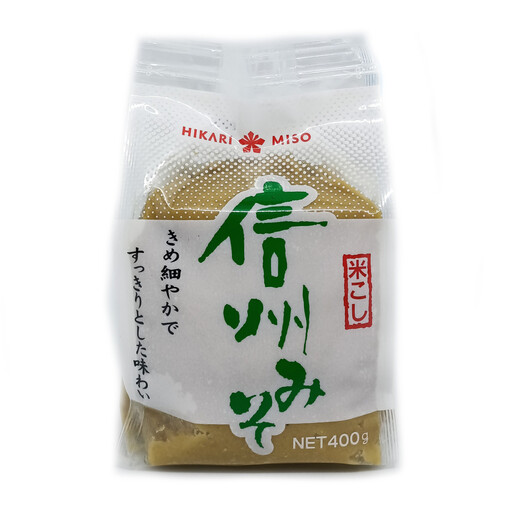
Why This Fits Their Persona: This is an authentic Japanese white miso from the Shinshu region, known for its quality. Its mild, slightly sweet flavour and smooth texture make it the perfect base for traditional miso soup, marinades for fish like cod or delicate salad dressings.
This is a pure, unseasoned paste, avoiding the pitfall of overpowering a dish. It provides the foundational umami flavour, allowing the cook to build upon it and control the final taste profile precisely.
Authentic Shinshu-style white miso with a smooth, easy-to-dissolve texture. Its versatile, mild flavour makes it suitable for a wide range of Japanese dishes beyond just soup.
We have compiled a complete, real-time list of products that fully satisfy these strict selection criteria and UK safety regulations.
Most fermented soybean pastes are high in salt, which acts as a natural preservative. However, to maintain their flavour and quality, it is important to store them correctly. Once opened, seal the container tightly and keep it in the refrigerator. For pastes in tubs, you can press a piece of parchment paper or cling film directly onto the surface to minimise contact with air. Always use a clean, dry spoon to scoop out the paste to prevent contamination.
While both are fermented soybean pastes, they have distinct flavour profiles. Doenjang is generally more pungent, earthy and salty, with a coarser texture. Miso, particularly white miso, is milder, smoother and can be slightly sweet. You can substitute them in a pinch, but be prepared for a significant change in the dish's final taste. If using doenjang in place of miso, you may need to use less and adjust other seasonings.
Fermented bean curd, also known as 'furu' or 'tofu cheese', is sold as solid cubes preserved in brine. The cubes themselves are the product. They have a soft, creamy texture and an intensely savoury, salty flavour. They are not meant to be eaten in large quantities but rather used as a powerful flavouring agent. A small piece can be mashed and added to a stir-fry sauce, used to flavour braised pork or simply served as a condiment with plain rice or congee.