
24/7 Customer Support

Free returns

Same-day & Next-day Delivery

Quality Guaranteed

Unlock Your Welcome Offers: FREE Delivery | Up to 80% OFF | Free 30-day JoyPlus trial
Download the APP
Navigating the world of East Asian condiments can feel overwhelming. You want to recreate that incredible Korean BBQ from your favourite restaurant or a comforting bowl of Japanese miso soup, but the sheer variety of soybean paste tubs and jars can be confusing. Choosing the wrong one doesn't just change the flavour; it can completely alter the dish you intended to make.
As the Joybuy Product Recommendation Officer, my role is to help you see past the packaging and make informed choices. Many home cooks in the UK find themselves with a pantry full of pastes they don't know how to use. Let's look at the common pitfalls to avoid so you can buy with confidence.
To ensure you pick the perfect paste for your recipe, focus on these three core parameters. They will tell you everything you need to know before you add it to your basket.
The country of origin is your first clue to the paste's character. Each region has a distinct style of fermented bean paste.
Check the product description and usage instructions. Phrases like "seasoned soybean paste," "dipping sauce," or "ready to eat" indicate it can be used directly from the container. If the instructions mention "fry in oil to release aroma" or "dissolve in broth," it is a concentrated cooking paste that needs to be cooked. This single check can save your dish from being either bland or unpleasantly raw-tasting.
A quick scan of the ingredients list is revealing.
Based on these practical criteria, here are a few options tailored to specific culinary goals.
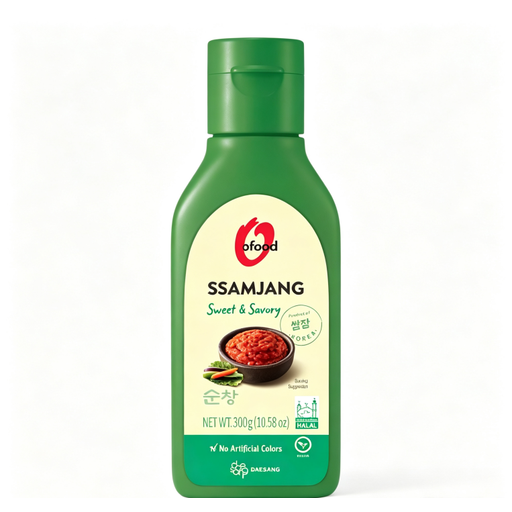
Why This Fits Their Persona: This user wants to host a Korean BBQ night without fuss. They need a flavourful, ready-to-use dipping sauce for lettuce wraps (ssam) and grilled meats that delivers authentic taste with minimal effort.
This is a pre-seasoned ssamjang, not a raw cooking paste. It's specifically designed as a condiment, preventing the mistake of using plain, overly salty doenjang as a dip.
The tube packaging is hygienic and convenient for squeezing directly onto food. Its mild flavour profile is approachable for guests who may be new to Korean food.
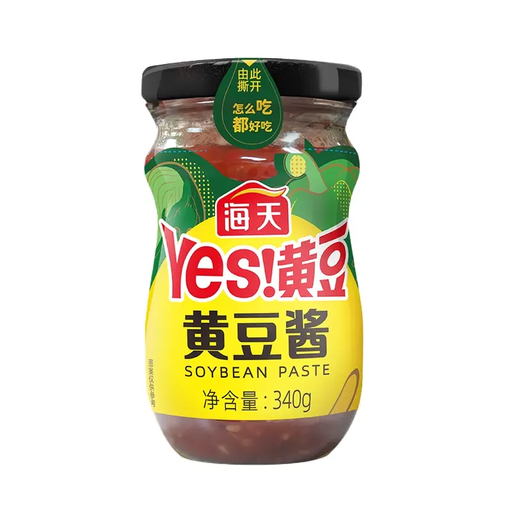
Why This Fits Their Persona: This home cook is dedicated to recreating authentic Chinese dishes like Zha Jiang Mian or braised pork. They need a foundational, savoury Chinese soybean paste that provides a rich, umami base for cooking.
This is a classic cooking paste, not a sweet or spicy condiment. It avoids the regional mix-up pitfall by providing the specific salty, savoury flavour profile required for many northern Chinese recipes.
Made with non-GMO soybeans, it offers a pure, robust flavour. Its versatility makes it suitable for stir-frying, braising and creating complex sauces from scratch.
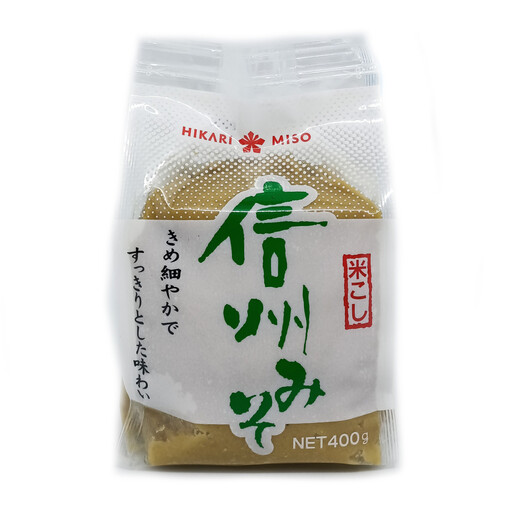
Why This Fits Their Persona: This user loves making Japanese staples like miso soup, marinades for fish and salad dressings. They need an authentic, smooth Japanese miso paste with a balanced, mild flavour.
As a Shinshu white miso, it has the specific mild, slightly sweet profile needed for classic Japanese dishes, avoiding the pitfall of using a harsh, salty Korean or Chinese paste.
Its smooth texture dissolves easily in liquids, which is crucial for lump-free soups and dressings. The flavour is versatile enough for both cooking and raw applications like dips.
We have compiled a complete, real-time list of products that fully satisfy these strict selection criteria and UK safety regulations.
Once opened, all fermented soybean pastes should be stored in the refrigerator with the lid tightly sealed. This slows down the fermentation process and preserves the flavour and colour. Always use a clean, dry spoon to scoop out the paste to prevent introducing moisture or bacteria, which can cause spoilage. Most will last for several months in the fridge, but always check the packaging for specific advice.
While possible in a pinch, it's generally not recommended if you're aiming for an authentic taste. Substituting Japanese miso for Korean doenjang in a stew will result in a much milder, less pungent flavour. Using a sweet ssamjang in a Chinese stir-fry that calls for salty soybean paste will make the dish unexpectedly sweet. If you must substitute, do so with caution and adjust other seasonings accordingly.
Yes, this is usually a safe and natural occurrence. The small white specks or crystals that can form on the surface or within the paste are typically tyrosine, an amino acid. They are a natural by-product of the fermentation process and an indicator of a well-fermented, flavourful paste. They are not mould and are perfectly safe to consume.