
24/7 Customer Support

Free returns

Same-day & Next-day Delivery

Quality Guaranteed

Unlock Your Welcome Offers: FREE Delivery | Up to 80% OFF | Free 30-day JoyPlus trial
Download the APP
Soybean paste can transform a simple bowl of noodles, soup or vegetables with savoury depth, but the products sold under similar names are not interchangeable. A mild Japanese miso behaves differently from Korean doenjang, while Chinese soybean paste may be sweeter, saltier or more suitable for braising.
The main buying mistakes are usually easy to avoid:
Japanese miso paste is generally made with soybeans, koji rice or barley and salt. White or light miso tends to be milder and sweeter, making it suitable for miso paste for soup, dressings and lighter marinades. Red or aged miso usually has a deeper, more pronounced savoury flavour for robust soups, glazes, noodle dishes and stews.
Korean doenjang is a fermented soybean paste with a strong, savoury character. It is commonly used in doenjang jjigae, soups, stews and vegetable dishes. Ssamjang sauce is a seasoned mixture designed for dipping, lettuce wraps, Korean barbecue and ready-to-use marinades. It may include chilli, sugar, garlic, sesame or peanuts, so it requires a closer allergen check.
Chinese soybean paste and fermented bean paste are often used in stir-fries, braises, noodle sauces, marinades and dipping sauces. Some are smooth, while others contain visible soybean pieces. Broad bean pastes are a separate category and may be notably spicy, so do not substitute them automatically for a mild bean paste for cooking.
In the UK, packaged food labels should be checked for legally declarable allergens. Several products in this category contain soy and wheat, including CJ Seasoned Soybean Paste, Haday Signature Soybean Sauce and Shinho soybean pastes. Wheat can appear as wheat flour, wheat koji or part of the fermented base.
Seasoned products can also contain sugar, corn syrup, alcohol, chilli, mustard, sesame or peanuts. For example, seasoned ssamjang may contain wheat, soya, mustard and sesame, with possible traces of other allergens. Vegetarians should also review the label and usage information rather than relying only on the product name.
Salt levels vary considerably. The supplied product information lists approximately 6.5g salt per 100g for savoury white miso, 11.3g for Hikari Inaka Miso and 11.6g for Haday Signature Soybean Sauce 800g. These figures are not directly comparable across every product because recipes differ, but they show why a small spoonful can provide substantial seasoning.
After opening, many fermented soybean pastes need refrigeration at around 0°C to 4°C, or at least cold storage according to the label. Use a clean, dry spoon, keep the container sealed and follow the best-before guidance on the packaging. Products with a dry-store instruction while unopened may still require refrigeration after opening.
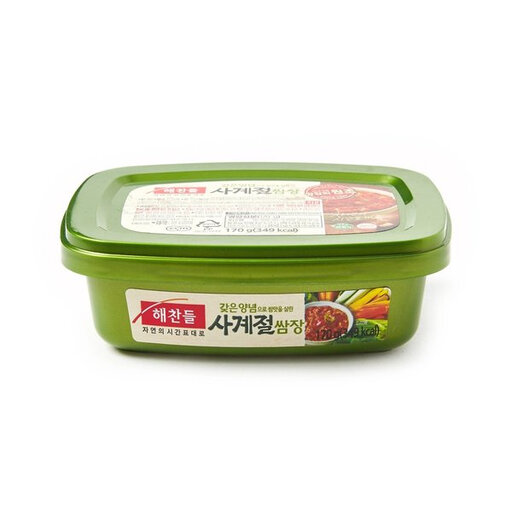
Why This Fits Their Persona: The 170g pack is a manageable starting point for UK cooks who want to try a Korean-style seasoned paste without committing to a large tub. It can be used in stews, soups, marinades and dipping sauces.
The product information clearly lists soy and wheat allergens, country of origin and refrigeration guidance after opening.
170g size; suitable for soups, stews, marinades and sauces; made in South Korea.
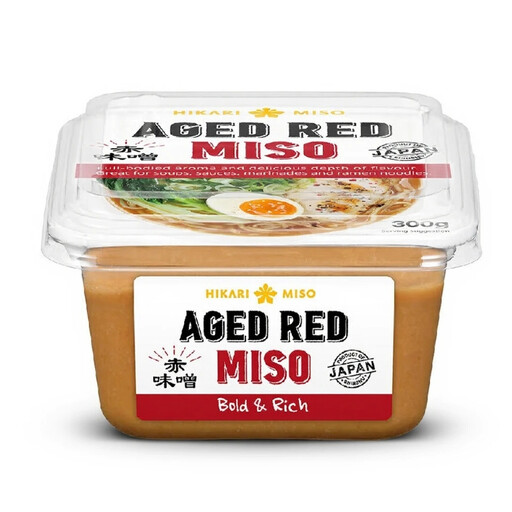
Why This Fits Their Persona: This Japanese red miso suits cooks seeking a fuller flavour for hearty miso paste for soup, noodle dishes, rich glazes, stews and marinades.
Its stated use is as a concentrated fermented seasoning, so shoppers can adjust the quantity rather than treating it like a ready-made soup.
300g pack; made in Japan; listed for soups, marinades, sauces and glazes; contains soy.

Why This Fits Their Persona: A large container is practical for frequent Chinese cooking, including braising, stewing, stir-fries, noodle dressing and dipping sauces.
The label identifies soy and wheat, gives a salt value of 11.6g per 100g and explains that it should be refrigerated after opening.
800g format; ready to use in cooking or as a dip; made in China; suited to regular household or professional-kitchen use.
We have compiled a complete, real-time list of products that fully satisfy these strict selection criteria and UK safety regulations.
Avoid adding miso or delicate fermented pastes to a rapidly boiling soup for an extended period, as high heat can alter their flavour. Always follow the individual packaging instructions, particularly where the product says cooking is required.
No. Miso is a Japanese fermented paste commonly made with soybeans and koji rice or barley. Korean doenjang is a different fermented soybean paste with its own production style and stronger savoury profile. Chinese soybean pastes also vary by region, texture and seasoning.
There is no single lifespan for every product. Refrigerate the paste when the label instructs you to, keep it sealed and use clean utensils. Check the printed best-before date and any after-opening guidance. Discard it if the packaging is swollen or if you notice mould, unusual odour or discolouration, unless the product instructions specifically explain a normal surface change.
Some products are suitable for vegetarians, but this should be confirmed on the packaging. Check for allergens and additional ingredients, including wheat, barley, seafood-derived seasonings or other flavourings. Soybean paste is also typically high in salt, so use it as a seasoning within a varied diet.