
24/7 Customer Support

Free returns

Same-day & Next-day Delivery

Quality Guaranteed

Unlock Your Welcome Offers: FREE Delivery | Up to 80% OFF | Free 30-day JoyPlus trial
Download the APP
Buying soybean products online can make Asian cooking much easier, but product descriptions do not always tell you what matters most. A packet labelled “soybean”, “tofu” or “edamame” may refer to a frozen ingredient, a heavily seasoned paste, a ready-to-drink beverage or a highly processed snack.
For UK shoppers, the practical choice depends on how the product will be used, how it must be stored and which allergens or added ingredients it contains. This guide explains the main buying pitfalls and highlights suitable options for everyday cooking.
Edamame beans are young green soybeans. They are usually sold either in pods or as shelled edamame. Podded versions are useful as appetisers and snacks, while frozen shelled edamame can be added directly to rice, salads, soups and stir-fries.
By contrast, dried soybeans are mature beans. They normally require soaking and thorough cooking before use, making them more suitable for batch preparation, soya milk or homemade tofu. Choosing dried beans when you need a quick side dish can create unnecessary preparation time.
Soybean paste, fermented soybean paste, Chinese bean paste and Korean doenjang-style paste can differ significantly in flavour, salt content, wheat content and texture. A Korean paste may suit doenjang jjigae, marinades and vegetable dips, whereas a Chinese soybean sauce may be more appropriate for noodle sauces, braises or stir-fries.
Check the ingredient list rather than relying only on the front label. For example, some pastes contain wheat flour, sweeteners, flavour enhancers or preservatives. This is particularly important for people avoiding gluten or monitoring salt intake.
Frozen tofu, fried beancurd, tofu skin and edamame need freezer space and careful handling. Products marked “do not refreeze” should not be returned to the freezer after thawing. Fresh or chilled soya milk has a shorter practical lifespan once opened, while dried beans and soybean powder need a cool, dry and sealed storage area.
A product can represent poor value if a large pack is likely to be wasted. Match the pack size to your household and cooking frequency.
Decide whether you need:
Preparation instructions vary. Some frozen products can be cooked from frozen, while others should be thawed first. Follow the package directions and cook products labelled as requiring cooking until thoroughly heated.
In the UK, allergens must be clearly emphasised in the ingredients list. Soybeans are an allergen, and products such as soybean paste, soybean sauce and seasoned tofu may also contain wheat or gluten. Sesame may appear in flavoured tofu products, while fish or seafood can be present in soybean-skin rolls and other mixed ingredients.
Do not assume that a vegetarian-looking product is vegan. For instance, a beancurd roll may contain fish paste even though it includes soya bean skin. Always check the current packaging before serving anyone with an allergy or specific dietary requirement.
Compare nutrition per 100g or 100ml rather than comparing pack sizes. Plain edamame and dried soybeans generally have short ingredient lists, while sauces, pastes and sweetened soya drinks may contain more salt or sugar.
For example, the listed nutrition for Chung Jung One Jaerae Soybean Paste shows approximately 6.5g salt per 100g, so it is best used in small quantities as a seasoning. Haday Signature Soybean Sauce lists 8g salt per 100g. These products can add depth to a dish, but additional salt may not be necessary.
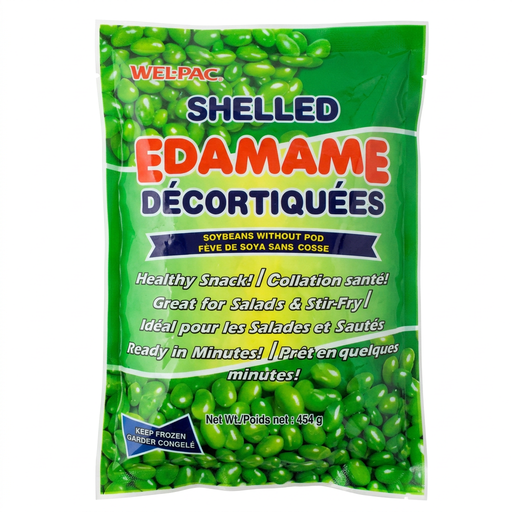
Why This Fits Their Persona: A straightforward freezer staple for UK households trying soybean ingredients without committing to lengthy preparation.
The product is shelled, so there is no pod waste, and the ingredient list states soybeans only. It is still important not to refreeze after opening and to refrigerate leftovers as directed.
454g pack; 100% soybean ingredient; listed at 12g protein per 100g; suitable for stir-fries, rice and salads.
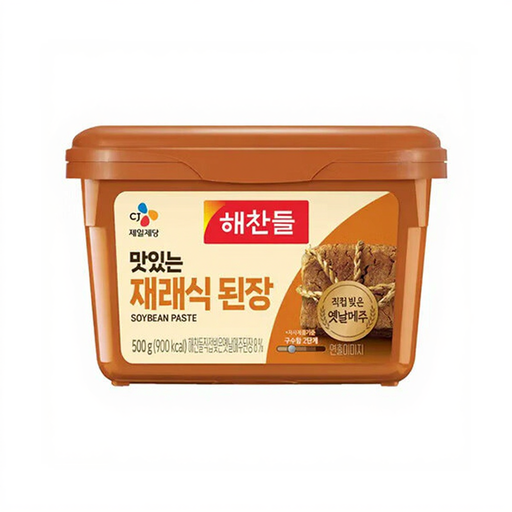
Why This Fits Their Persona: Suitable for cooks seeking a Korean flavour base for soups, stews, marinades and vegetable dips.
The product information identifies it as Korean fermented soybean paste and clearly lists soybeans and wheat allergens, helping shoppers avoid an unsuitable substitute.
500g tub; suitable for doenjang jjigae-style stew, stir-fries and dips; storage instructions advise refrigeration after opening.
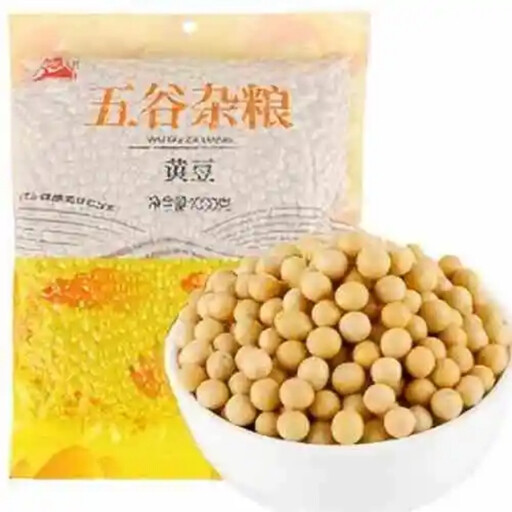
Why This Fits Their Persona: A practical choice for batch cooks making soya milk, tofu, bean sprouts or slow-cooked Chinese soups.
This is a clearly identified dried ingredient rather than a ready-to-eat product, so the required soaking and cooking time is easier to plan.
400g household pack; ingredient listed as soybeans; suitable for several traditional preparation methods.
For appetisers, hot pot and saucy dishes, FRESHASIA Fried Beancurd 200g has a porous texture designed to absorb broth. For Japanese cooking, Yutaka Seasoned Soybean Curd Sushi Pockets are ready to fill with sushi rice, although they contain soy and wheat.
Those looking for Japanese tofu products may also consider Chiba tofu, while Northern-style dried tofu and tofu skin provide a firmer, chewier texture. For drinks, YON HO Soybean Drink is ready to serve, whereas YON HO Soybean Powder uses individual sachets mixed with hot water. Both contain soy, and the powder contains sweetening ingredients.
We have compiled a complete, real-time list of products that fully satisfy these strict selection criteria and UK safety regulations.
Usually not. Many frozen edamame products require cooking from frozen, commonly by boiling for several minutes. Check the pack instructions, drain thoroughly and do not refreeze after thawing.
Allow time for soaking followed by thorough cooking. The exact time depends on the recipe and bean texture, so plan dried soybeans for batch cooking rather than quick weekday meals.
Some plain products are suitable for vegan diets, but this cannot be assumed. Check for fish, seafood, dairy, honey and other animal-derived ingredients, particularly in seasoned tofu, beancurd rolls and sauces. Also check bold allergen information for soy, wheat, sesame and other relevant ingredients.