
24/7 Customer Support

Free returns

Same-day & Next-day Delivery

Quality Guaranteed

Unlock Your Welcome Offers: FREE Delivery | Up to 80% OFF | Free 30-day JoyPlus trial
Download the APP
Buying spaghetti seems straightforward, but the wrong product can mean bland meals, unsuitable ingredients, difficult serving or unnecessary waste. UK shoppers are choosing between dried spaghetti, tinned spaghetti, spaghetti hoops, instant spaghetti, baby spaghetti food and specialist accessories such as a spaghetti server or pasta spoon.
Marketing language can make products appear more suitable than they are. Before adding anything to your basket, check the practical details that affect taste, convenience, dietary suitability and value.
A larger pack is not automatically more economical if part of it remains unused or if the product does not suit your household. A 500g pack of dried spaghetti may provide approximately seven portions, depending on serving size. Families should also consider storage space and how frequently they prepare family pasta meals.
For convenience products, compare the cost per 100g rather than the shelf price alone. A multipack can be useful for regular shoppers, but only when the use-by or best-before dates and cupboard space make sense.
Traditional Italian spaghetti may contain only durum wheat semolina and water, while instant spaghetti products can include oils, seasonings, flavour enhancers and several allergens. Tinned spaghetti bolognese may also contain soya, wheat, beef or textured soya protein.
Always read the current packaging, particularly when buying for someone with an allergy or following a vegan spaghetti diet. Product information can change, and online descriptions may not reflect every packaging update.
Dried pasta, ready meals and baby food serve different purposes. Tinned spaghetti and instant spaghetti can be convenient for busy days, but portion size, salt, sugar and preparation instructions vary. Baby spaghetti food should be selected according to the stated age range and texture, with the label checked for allergens and storage guidance.
For a simple pasta base, look for durum wheat semolina and check whether the product is marked as suitable for vegans. Morrisons Spaghetti, for example, lists 100% durum wheat semolina, gives guidance of approximately 75g dried pasta per person and states cooking times of 10 minutes for an al dente texture or 12 minutes for softer pasta.
Barilla Pasta Spaghetti uses durum wheat semolina and water, with a stated cooking time of nine minutes for an al dente result. Cooking times are useful for planning, but personal preference, pan size and water temperature can affect the final texture.
For tinned spaghetti, check the serving size, salt, sugar, allergen information and storage instructions after opening. Heinz Spaghetti Hoops are supplied in a four-pack of 400g cans and are suitable for vegetarians according to the supplied product information. Once opened, unused contents should be transferred to a suitable covered container, refrigerated and used within two days.
Instant products need additional scrutiny. Samyang Tangle Garlic Oil Pasta is sold as a case of 20 x 100g, but its ingredient information includes wheat, soya and potential traces or shared-factory allergens. Samyang Tangle Chunky Tomato Pasta also contains wheat and has preparation instructions requiring hot water and full cooking. These products are convenient, but they should not be treated as identical to plain dried spaghetti.
A spaghetti server should have prongs or a shaped head that can lift long strands without excessive dripping. A comfortable handle matters when serving several portions.
For non-stick pans, look for a non-scratch material, such as silicone, and follow care instructions. Wooden handles can feel comfortable but may require hand washing. Heat resistance is relevant during serving, although utensils should not be placed directly over an open flame unless the manufacturer specifically permits it.
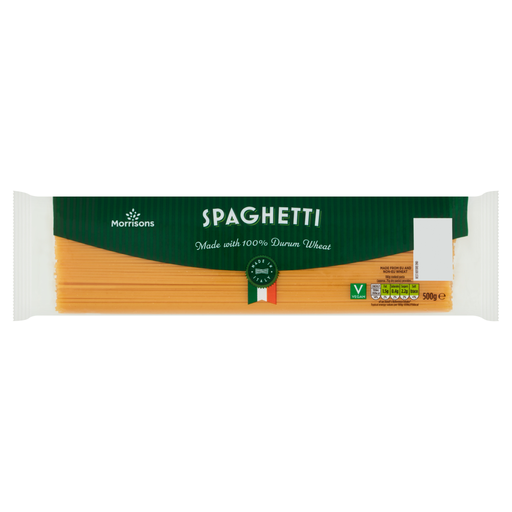
Why This Fits Their Persona: A practical cupboard staple for students, couples and households building an everyday pasta selection in the UK.
The pack states its net quantity, approximate portions, ingredients and cooking guidance, making it easier to assess value before purchase.
100% durum wheat semolina; stated 10–12 minute cooking range; suitable for vegans according to the supplied information.
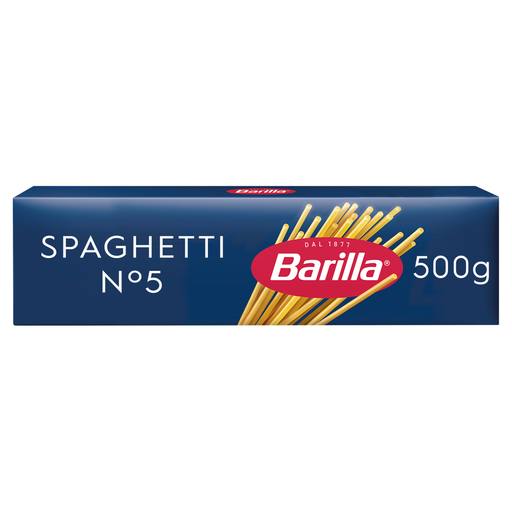
Why This Fits Their Persona: Suits shoppers who want a straightforward Italian spaghetti format for tomato, dairy, oil-based or seafood sauces.
Its short ingredient list helps buyers distinguish plain pasta from products containing added seasoning, oils or sauce components.
Made with durum wheat semolina and water; stated nine-minute cooking time; 500g pack size.

Why This Fits Their Persona: Designed for makers who searched for “3D printer spaghetti detection” rather than food and who need monitoring for failed prints.
The product information specifies an AI camera for detecting print failures described as “spaghetti”, while also listing safety, calibration and maintenance requirements.
600mm/s maximum stated speed; 220 × 220 × 250mm build volume; one-tap auto calibration and a listed 45dB silent mode.
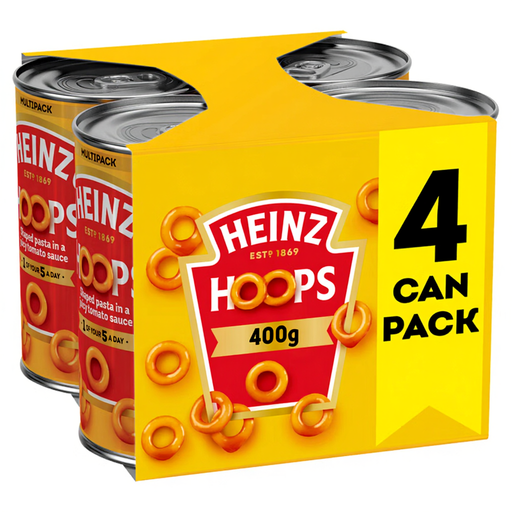
Why This Fits Their Persona: A cupboard-ready option for quick lunches, children’s meals or evenings when cooking from scratch is not practical.
The four-can format makes the quantity clear, while the label provides preparation, allergen and opened-can storage information.
Four 400g cans; suitable for vegetarians according to the supplied information; ready to heat and serve.
For babies aged seven months and over, compare the stated age range, texture, allergens, salt guidance and storage instructions. Heinz Spaghetti Bolognese 7+ Months is a 200g jar with mashed texture, soft spaghetti, vegetables and beef. Ella’s Kitchen Spaghetti Bolognese Stage 2 is a 130g pouch with soft pasta pieces and vegetables intended for children aged 7+ months.
Follow the label directions, serve from a bowl where instructed, check the temperature of warmed food and never assume that an adult tinned spaghetti product is appropriate for a baby. Inspect ingredients for wheat, egg, milk and other allergens before serving.
A spaghetti server with prongs can help portion and lift long strands. The Zyliss Spaghetti Server has an oak wood handle and prongs designed for serving spaghetti. For non-stick cookware, the Maison by Premier Nova Spaghetti Spoon has a heat-resistant silicone head, an ergonomic wooden handle and a hanging loop. Its instructions recommend hand washing and avoiding direct contact with open flames.
We have compiled a complete, real-time list of products that fully satisfy these strict selection criteria and UK safety regulations.
Use the pack guidance where available. Morrisons lists approximately 75g of dried pasta per person and around seven portions in a 500g pack. Adjust the amount for children, appetites and whether the sauce includes substantial vegetables, meat or pulses.
The answer depends on pack price, portion size and what else is added to the meal. Dried spaghetti usually requires sauce and cooking time, while tinned spaghetti includes sauce and can reduce preparation. Compare the price per portion, not only the cost of the packet or can.
Follow the manufacturer’s instructions. Wooden-handled utensils commonly benefit from hand washing and thorough drying, while silicone heads should not be exposed to open flames. Store utensils where they can dry fully and check periodically for cracks, loose joins or damage.