
24/7 Customer Support

Free returns

Same-day & Next-day Delivery

Quality Guaranteed

Unlock Your Welcome Offers: FREE Delivery | Up to 80% OFF | Free 30-day JoyPlus trial
Download the APP
Buying Spanish red wine online can be surprisingly difficult. Attractive labels, vague tasting notes and “reserve” language do not always tell you whether a bottle will suit your meal, palate or budget. A useful buying decision starts with the details that can be checked: region, grape variety, ageing classification, bottle size, alcohol content and dietary information.
This guide explains the main differences between Rioja, Jumilla and Ribera del Duero wines, then matches a selection of bottles and cases to different UK shopping needs.
Rioja is a region, not a single flavour profile. A young Tempranillo-led wine can be fresh and cherry-focused, while a Reserva Rioja may show more vanilla, spice and oak. Garnacha-based Rioja can be brighter and more red-fruited than a fuller-bodied Tempranillo blend.
Always check the grape and ageing category rather than choosing by region alone.
In Rioja, Reserva and Gran Reserva refer to minimum ageing requirements, not a promise that every drinker will enjoy the wine. Oak-aged wines may suit people who like vanilla, cedar and spice, but may feel less fruit-forward to those who prefer a young, juicy red.
A Gran Reserva Rioja has generally spent longer ageing before release. This can create softer, more developed flavours, but the wine may be less vibrant than an unoaked or younger style.
A 75cl red wine bottle normally provides around six 125ml glasses, depending on how it is poured. A 187ml bottle is more suitable for one occasion without leaving an opened bottle to store. Alcohol strength also varies: a 13% wine contains fewer units per bottle than a 15% wine.
Most wines listed here contain sulphites. If you are looking for vegan Spanish wine, check the specific product information or label. “Vegetarian” does not automatically mean vegan, because fining agents can vary between producers and bottlings.
Tempranillo wine is a practical starting point if you enjoy cherry, plum, moderate tannin and oak spice. Garnacha wine can offer softer tannins, lively berry flavours and a more fragrant character. Monastrell is a suitable direction for shoppers who prefer dark fruit, body and warmth.
Blends can provide balance, but check the percentage breakdown where it is available. For example, a wine dominated by Monastrell will generally present differently from a 100% Garnacha Rioja.
Rioja classifications provide useful context:
Serve most Spanish reds slightly below typical room temperature, usually around 14–18°C, depending on body and alcohol. Store unopened bottles away from sunlight and temperature fluctuations. Follow the product label where storage guidance differs. Once opened, reseal and refrigerate; drink within the period stated on the packaging.
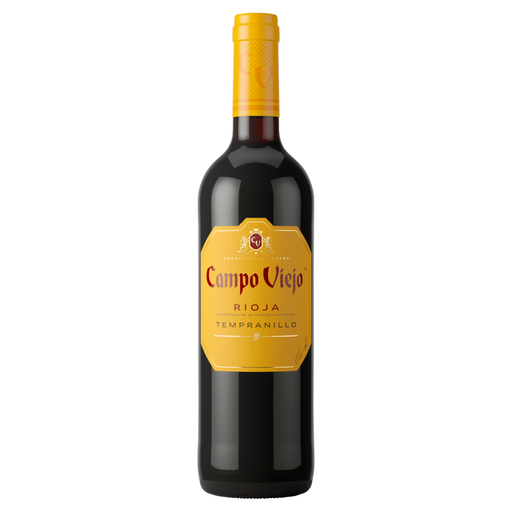
Why This Fits Their Persona: A straightforward 75cl Rioja option for weekday meals, informal sharing and shoppers who want a familiar Tempranillo-led style.
The grape, region, 75cl format and 13% ABV are clearly stated, making comparison easier than relying on front-label descriptions.
Tempranillo-based; suitable for everyday meals; contains listed sulphites.
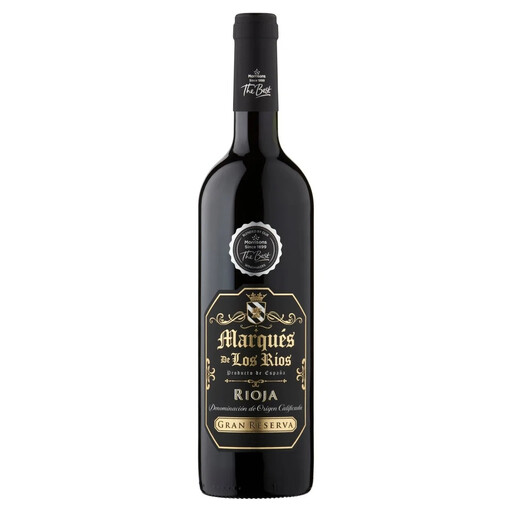
Why This Fits Their Persona: A considered choice for a dinner, festive table or gift where extended Rioja ageing and developed flavours are priorities.
The Gran Reserva classification gives a defined ageing reference, rather than leaving “mature” as an unexplained marketing term.
14% ABV; Rioja origin; suitable for roasted meats, game, aged cheese and stews.

Why This Fits Their Persona: Suits shoppers looking for a fuller-bodied Jumilla red wine to serve with grilled meat, hearty stews or mature cheese.
The blend, Jumilla origin, several months in American oak and 14.5% ABV are specified, helping set realistic expectations about body and warmth.
Monastrell, Syrah and Petit Verdot blend; suitable for vegetarians and vegans according to the supplied product information.
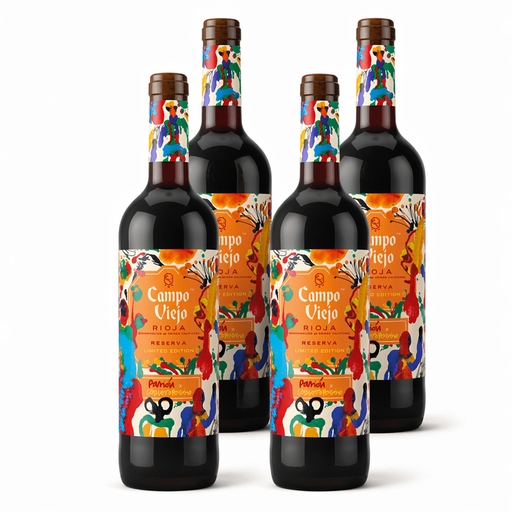
Why This Fits Their Persona: A case format can work for hosting, planned celebrations or spreading the cost across several meals and gatherings.
The case listing identifies the Reserva classification, bottle size, 13% ABV and stated vegan suitability, so buyers can check quantity and preferences before ordering.
Tempranillo, Graciano and Mazuelo blend; approximately 10.1 UK units per 75cl bottle.
We have compiled a complete, real-time list of products that fully satisfy these strict selection criteria and UK safety regulations.
A 75cl bottle contains 750ml. At a 125ml serving, that is approximately six glasses. A 13% bottle contains around 9.75 UK units, while a 14% bottle contains around 10.5 units. Actual units depend on the stated ABV and serving size.
Usually, yes. Rioja Reserva wines are released after required ageing, so they are generally intended to be drinkable on release. Whether you prefer the oak, spice and developed fruit character is a matter of taste. Store unopened bottles correctly and follow the producer’s guidance.
Some Spanish wines are suitable for vegans, but this cannot be assumed from the grape or region. Look for a clear vegan statement on the product page or label. If the listing only says vegetarian, contact the seller or producer before purchasing if vegan suitability is essential.
Alcohol is for adults aged 18 and over. Drink responsibly; UK Chief Medical Officers advise that adults should not regularly exceed 14 units per week. It is safest not to drink alcohol during pregnancy, and never drink and drive.