
24/7 Customer Support

Free returns

Same-day & Next-day Delivery

Quality Guaranteed

Unlock Your Welcome Offers: FREE Delivery | Up to 80% OFF | Free 30-day JoyPlus trial
Download the APP
Choosing Spanish red wine online can be more complicated than it first appears. Labels may highlight old vines, oak ageing, limited production or “premium” positioning, but these phrases do not always tell you whether a bottle suits your meal, budget or drinking occasion.
A practical buying decision starts with three checks: the region and grape variety, the ageing classification and the product information supplied for the UK market. These details help distinguish a fresh everyday Rioja from a fuller Jumilla red wine or a more developed Rioja Reserva.
A more expensive bottle may offer longer oak ageing or a more complex flavour profile, but that is not automatically preferable for a casual weekday meal. A bold Monastrell wine may be more suitable with barbecue food than a delicate, oak-aged Rioja, while a fruit-led Tempranillo wine may be easier to serve at an informal gathering.
These are ageing classifications rather than guarantees of a particular sweetness, body or personal preference. Rioja Reserva wines generally spend longer maturing before release than Crianza wines. Rioja Gran Reserva involves a longer minimum ageing period again, including time in oak. Extended ageing can bring vanilla, tobacco, leather and spice notes, but shoppers who prefer fresh cherry and berry flavours may prefer a younger Rioja or Castilla bottle.
Most Spanish wine 75cl bottles contain around ten UK alcohol units when the alcohol level is close to 13.5–14%. Higher-strength bottles can contain more. Check the label or product page rather than relying on the front-of-bottle design. Wines commonly contain sulphites, and vegetarian or vegan suitability can vary according to the fining process.
Rioja red wine is commonly associated with Tempranillo, often blended with Graciano, Mazuelo or Garnacha. It can range from bright, fruit-forward styles to oak-influenced Reservas and Gran Reservas.
Ribera del Duero wine is also strongly linked with Tempranillo. Its high-altitude vineyards and large day-to-night temperature changes are associated with concentrated dark-fruit flavours, firm structure and noticeable acidity. The exact taste still depends on the producer, vintage and ageing.
For a fuller, warmer style, consider Jumilla red wine. Monastrell, also known as Mourvèdre, is a key variety in the region and often produces wines with dark fruit, spice and a robust palate. Blends may include Syrah, Petit Verdot or Garnacha.
Garnacha wine can offer red-fruit and floral notes, while Monastrell wine tends towards darker fruit, stronger body and warming spice. Neither is universally preferable; the right option depends on your menu and preferred texture.
Look for terms such as Crianza, Reserva and Gran Reserva on Rioja labels. A Rioja Reserva is generally a useful choice when you want developed fruit, oak spice and softer texture without moving fully towards mature, tertiary flavours. Rioja Gran Reserva may suit a special meal or gift, particularly when you enjoy savoury complexity.
Do not assume every wine with oak contact will taste heavily woody. The type of oak, length of ageing and winemaking approach affect the final balance. Product descriptions should be treated as guidance, while the label remains the reference for the specific bottle and batch.
Check ABV, bottle size and stated UK units before ordering. A 75cl bottle at 13% ABV contains fewer units than one at 15% ABV. Responsible drinking information is especially relevant when buying Spanish wine case deals, as a multi-bottle order can represent a substantial quantity.
All listed wines should be checked for sulphites. If you are looking for vegan Spanish wine, only rely on a clear product statement or confirmation from the producer. Some products in this selection are stated to be suitable for vegans, whereas others are listed as vegetarian or do not provide definitive vegan confirmation.
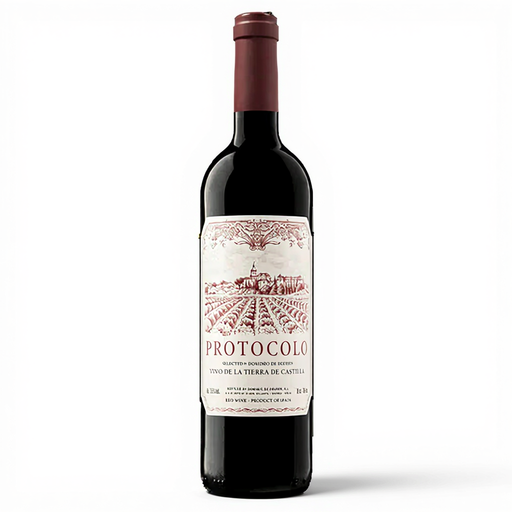
Why This Fits Their Persona: A full-bodied Tempranillo with wild berry, cherry and subtle toasted notes, suitable for shoppers building an everyday Spanish red wine selection.
The product information identifies the grape, alcohol content and storage guidance, helping you compare it with Rioja and other Castilla options without relying only on promotional wording.
Tempranillo-led style; 13.5% listed alcohol content; designed for straightforward everyday serving.
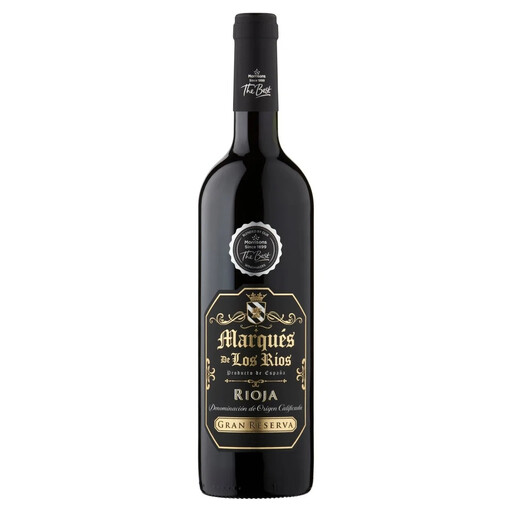
Why This Fits Their Persona: Its Gran Reserva classification and stated oak maturation make it suitable for special occasions, gifting and meals with roasted meats or mature cheese.
The classification gives a clearer indication of maturation than vague references to premium quality, although the label should still be checked for batch-specific details.
Tempranillo-dominated Rioja; listed at 14% ABV; recommended with game, roasts, stews and aged cheeses.
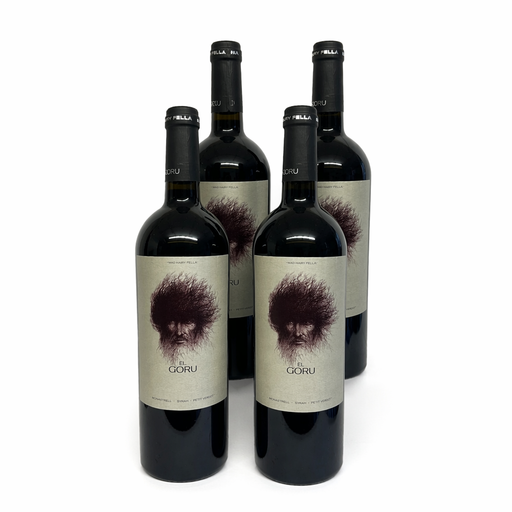
Why This Fits Their Persona: The case format suits entertaining or regular meal planning, while the Monastrell-led blend is intended for drinkers who prefer full-bodied, dark-fruit styles.
The grape blend, Jumilla origin and 14.5% ABV are specified, so shoppers can assess intensity and alcohol level before committing to a case.
Monastrell, Syrah and Petit Verdot blend; stated suitable for vegetarians and vegans; pairs with grilled meats, stews and aged cheeses.
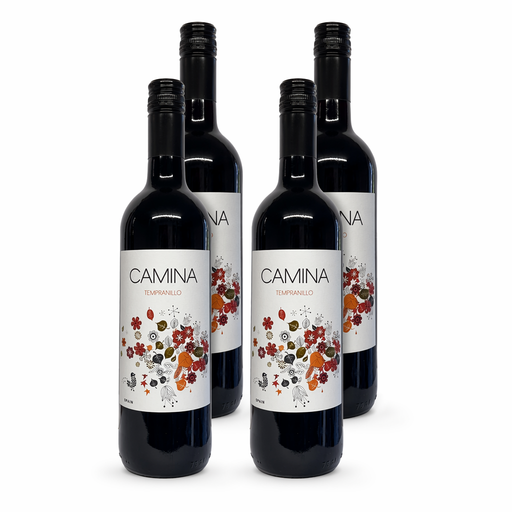
Why This Fits Their Persona: This case option is stated to be suitable for vegetarians and vegans, with a fresh, medium-bodied profile for tapas, pasta and informal meals.
The grape, region, stated vegan suitability and approximate 13% ABV are provided, making it easier to check practical requirements before ordering multiple bottles.
Tempranillo from La Mancha; fresh red and black fruit profile; stated suitable for vegetarians and vegans.
We have compiled a complete, real-time list of products that fully satisfy these strict selection criteria and UK safety regulations.
Serve most full-bodied reds slightly below typical room temperature, around 16–18°C, unless the label advises otherwise. If a bottle tastes overly warm, a short period in a cool place can make the fruit and acidity more noticeable.
Most Spanish red wines sold as dry table wines are not sweet, although ripe fruit flavours can create a rounded impression. Tempranillo may show cherry and plum, while Monastrell can taste richer and darker. Check the product description and carbohydrate information where available.
A case can reduce the effective cost per bottle and provide a convenient supply for entertaining, but compare bottle size, alcohol percentage, delivery terms and stated storage information. Choose a case only when you are confident that the style suits the meals and occasions you have planned.
Reseal an opened bottle and follow the product guidance. One listed Rioja Tempranillo recommends consuming it within three to five days after opening, although freshness can change sooner depending on storage, temperature and the amount of wine left in the bottle. Store it away from heat and direct sunlight, and drink responsibly.