One student taking a snack break
A 150ml can offers a defined serving without opening a larger bottle. If you choose fruit juice, the NHS advises having it with a meal and limiting juice and smoothies to 150ml a day.


For one revision snack, a 150ml can of sparkling apple juice gives you a defined serving: ASDA lists Appletiser in that size, and the NHS advises limiting fruit juice and smoothies to 150ml a day with a meal. A six-pack of 250ml cans may suit several people or sessions, but ASDA lists 26g sugars per can. If apple flavour and fizz matter more than 100% juice, check the juice percentage and ingredients of a water-based drink instead.
Start with how many people will share the drink and whether you want apple juice or an apple-flavoured alternative.
A 150ml can offers a defined serving without opening a larger bottle. If you choose fruit juice, the NHS advises having it with a meal and limiting juice and smoothies to 150ml a day.
Multipack cans can be set aside for different people or days. Check the size of each can, not just the pack count: ASDA lists 26g sugars in each 250ml Appletiser can.
An apple-flavoured spring-water drink is a different option from 100% sparkling apple juice. M&S lists 16% apple juice and sugar in its Sparkling British Apple Spring Water, so the ingredients matter more than the word “apple” on the front.
Choose the drink type first, then compare the serving and pack format with the number of planned snack breaks.
| Priority | What to check | Your needs |
|---|---|---|
| Serving size | Read the volume per can, not just the pack size. The NHS advises a maximum of one small 150ml glass of fruit juice or smoothie a day, with a meal; a 250ml can is larger than that amount. | For one snack break, I’d rather open a 150ml can than treat a larger can as the same serving. |
| Juice content | Compare the ingredient list and declared juice percentage. ASDA lists Appletiser as 100% carbonated apple juice from concentrate; M&S lists 16% apple juice in its sparkling spring-water drink. | If I specifically want sparkling apple juice, juice content decides it. If I mainly want apple flavour with fizz, a different recipe may suit the occasion. |
| Sugars | Use the nutrition label’s stated basis when comparing drinks. ASDA lists 26g sugars per 250ml Appletiser can; M&S includes sugar in the ingredients of its apple spring-water drink. | I want to see what is in the serving I plan to drink, rather than assume that “100% juice” or “spring water” tells me its sugar content. |
| Pack and storage | Match the number of cans or bottle volume to the intended drinkers. Sainsbury’s says its 750ml Appletiser bottle should be refrigerated after opening and consumed within four days; check the instructions on any other bottle separately. | For several sessions, sealed cans may be easier to plan around. I’d choose a large bottle only when it can be used within its stated storage period. |
Appletiser’s ingredient listing identifies 100% carbonated apple juice from concentrate. It is still fruit juice: the NHS advises limiting fruit juice and smoothies to 150ml a day and having them with a meal.
For an individual snack, compare the can’s volume with the amount you intend to pour or drink.
M&S Sparkling British Apple Spring Water contains 16% apple juice from concentrate and includes sugar. That is a different recipe from ASDA’s listed 100% apple-juice Appletiser.
Read the ingredient list and juice percentage before choosing between full juice content and an apple-flavoured drink.
A 250ml can is larger than the NHS’s 150ml fruit-juice guidance. For Sainsbury’s 750ml Appletiser bottle, the label also calls for refrigeration and consumption within four days of opening.
Consider who will drink each serving and check the storage directions for the particular bottle you buy.
These references help distinguish sparkling apple juice, an apple-flavoured drink and still juice; they do not all serve the same purpose.
ASDA lists 150ml cans and six-packs of 250ml cans containing 100% carbonated apple juice from concentrate; Sainsbury’s also lists a 750ml bottle.
Sparkling British Apple Spring Water offers apple flavour in a spring-water drink rather than 100% sparkling apple juice.
Tropicana describes its Orchard Apple product as 100% pressed, not-from-concentrate apple juice.
These options include sparkling apple juice for planned shared breaks and fizzy apple-containing drinks with different flavours and pack sizes. Check the recipe and serving size of each product rather than treating them as interchangeable.
 No image available
Six cans can serve several people or planned revision breaks. Joybuy describes the drink as 100% carbonated apple juice from concentrate; ASDA lists 26g sugars per 250ml can, which is larger than the NHS’s 150ml daily fruit-juice guidance.
 No image available
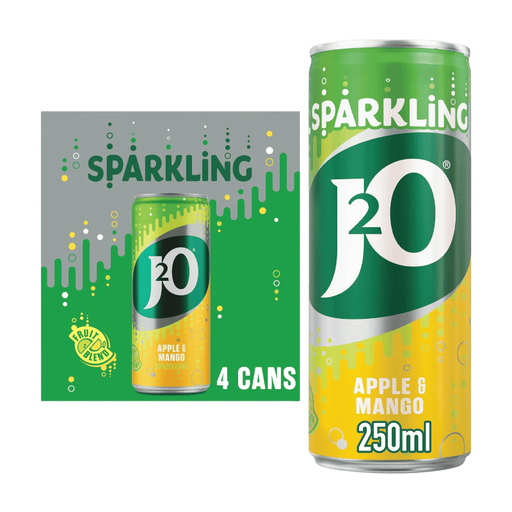
For a revision break where a mixed apple-and-mango drink appeals more than plain apple juice, this pack contains four 250ml cans. Check the juice percentage and ingredients if full apple-juice content is important to you.
 No image available
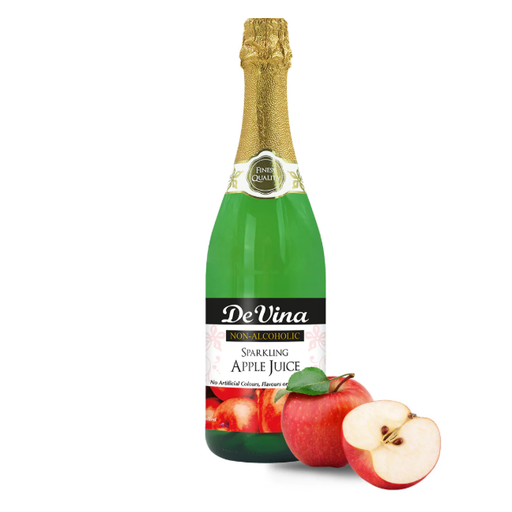
The 750ml bottle is a format to consider for sharing or planned repeat use rather than a single 150ml serving. Check its juice percentage and nutrition label if those affect your choice, and follow the bottle’s post-opening storage directions.
 No image available
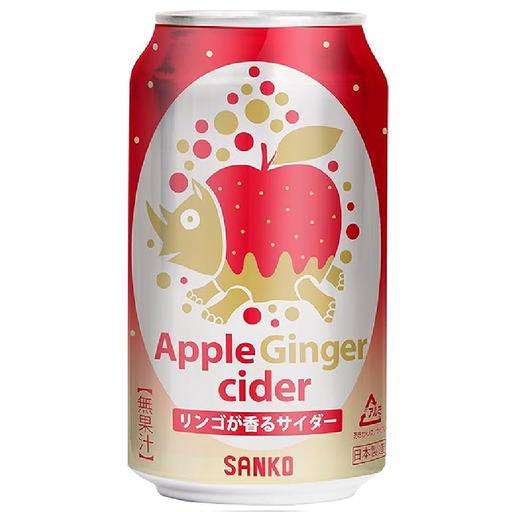
This 350ml apple-and-ginger soda is an option when you want both flavours with fizz, rather than a drink identified as 100% apple juice. Check the pack for its juice percentage, sugars and exact ingredients before choosing it.
If you choose fruit juice with a snack, account for the serving size across the day. The NHS advises limiting fruit juice and smoothies to a maximum of one small 150ml glass daily and having it with a meal; a larger can should not be treated as the same portion.
No. ASDA lists Appletiser as 100% carbonated apple juice from concentrate, while M&S lists 16% apple juice, carbonated spring water and sugar in its Sparkling British Apple Spring Water. Check the ingredients and declared juice percentage for the drink you are considering.
A 150ml can provides one defined serving without an opened bottle to store. If you prefer a larger pack, plan how it will be used: ASDA lists 26g sugars per 250ml Appletiser can, and Sainsbury’s says to refrigerate its 750ml Appletiser bottle after opening and consume it within four days.
No. The NHS’s fruit-juice guidance specifies a maximum of 150ml a day, with a meal. A 250ml can contains more than that amount even when it is packaged as an individual drink.