For an occasional kids’ party, a 150ml can of sparkling 100% apple juice makes the serving size clear, but it is still juice: NHS guidance limits fruit juice and smoothies to one 150ml glass a day, served with a meal. If you would rather serve an apple-flavoured fizzy drink, compare its juice content, sugars and ingredients instead of assuming it is equivalent to juice; keep water available either way. For an early-years provider in England, Department for Education guidance says to offer children fresh tap water and plain milk.
Who is choosing the drinks?
Parents hosting a primary-school-age party
If you want a fizzy apple drink, think about how much each child will be served. A 150ml can fixes the amount; larger cans or bottles give you more flexibility but need pouring into smaller cups if that is your plan.
Hosts comparing sugars and ingredients
Apple-flavoured sparkling water and lower-juice fizzy drinks are different from 100% apple juice. Check the sugars per 100ml, juice percentage and ingredient list on the pack you intend to serve.
Organisers at early-years providers in England
Department for Education guidance for early-years providers says to offer children fresh tap water and plain milk. That setting-specific guidance is distinct from planning an occasional drink at a private party.
What matters when choosing?
Choose the drink type first, then check the portion you will actually pour and the ingredients on the purchased pack.
| Priority | What to check | Your needs |
|---|
| Serving size |
Check the container volume and plan the amount poured. NHS guidance limits fruit juice and smoothies to one 150ml glass a day, with a meal; a larger can is not automatically one suitable juice serving. |
I want to offer a party drink without repeated juice top-ups. A 150ml can fixes the amount, while a larger container lets me pour smaller servings. |
| Juice and sugars |
Compare juice percentage and sugars per 100ml. ASDA lists Appletiser 150ml as 100% carbonated apple juice with 10.5g sugars per 100ml; Sainsbury’s lists Cawston Press Cloudy Apple as a drink containing 49% pressed apple juice. |
If I want actual apple juice, I will check the juice percentage rather than rely on the apple flavour. If sugars matter more, I will compare the nutrition panels of the drinks I am considering. |
| Ingredients |
Read the current pack for sweeteners, preservatives and allergen information. ASDA lists sucralose in Radnor Fizz Apple; Sainsbury’s describes Cawston Press Cloudy Apple as having no added sugar or sweeteners. |
Guests may have different ingredient requirements, so I need the label of the drink I will serve—not an assumption based on its name. |
| Everyday drinks |
Keep water available alongside any optional party drink. For early-years providers in England, Department for Education guidance says to provide children with fresh tap water and plain milk. |
I want children to be able to choose water throughout the party. If I am organising drinks for an early-years provider, I need to follow its applicable guidance. |
Party-drink pitfalls
-
Assuming 100% juice means little sugar
ASDA lists Appletiser 150ml as 100% carbonated apple juice with 10.5g sugars per 100ml. “100% juice” describes its juice content, not a low-sugar classification.
Read sugars per 100ml and consider the amount served. NHS guidance recommends having fruit juice with a meal and limiting fruit juice and smoothies to one 150ml glass a day.
-
Treating every can as one child’s juice portion
Sainsbury’s lists Cawston Press Cloudy Apple in 250ml cans, while ASDA lists Radnor Fizz Apple in 330ml cans. Those container sizes are larger than the NHS 150ml daily reference for fruit juice and smoothies.
If you plan to serve a smaller amount, pour it into cups rather than using can size as your portion guide. Check each drink’s juice content as well as its volume.
-
Equating apple flavour with apple juice
ASDA lists Radnor Fizz Apple as containing 8% apple juice and sucralose. An apple-flavoured sparkling drink need not have the same juice content or ingredients as 100% sparkling apple juice.
Decide whether juice content, listed sugars or avoiding particular ingredients matters most, then compare the relevant labels.
-
Making fizz the only drink at an early-years provider
Department for Education guidance for early-years providers in England says to provide children with fresh tap water and plain milk.
Plan the offered drinks around that guidance when organising an event in such a setting; do not treat a private-party choice as automatically applicable there.
Brands and drink types to consider
These examples span sparkling juice, other apple-flavoured drinks and still juice; the brand name alone does not tell you which type a particular pack contains.
Appletiser
A sparkling 100% apple-juice option with a 150ml can listed by UK retailers.
- ASDA lists the 150ml can as carbonated apple juice from concentrate (100%); Sainsbury’s describes it as having no preservatives.
- ASDA lists 10.5g sugars per 100ml. Juice content does not remove the need to consider serving size.
Cawston Press
Cloudy Apple is a sparkling pressed-apple drink, rather than 100% apple juice.
- Sainsbury’s lists 49% pressed apple juice blended with sparkling water, with no added sugar or sweeteners.
- The listed cans are 250ml; decide how much you intend to serve rather than treating the whole can as a small portion.
Radnor Fizz
Radnor Fizz Apple is a lower-juice sparkling apple drink sold in 330ml cans.
- ASDA lists 8% apple juice and 0.8g sugars per 100ml.
- ASDA also lists sucralose; check the ingredients and plan the serving size.
M&S
Sparkling British Apple Spring Water offers an apple-flavoured sparkling-water route, not a stated 100% juice route.
- Marks & Spencer describes the drink as spring water with apple juice.
- Check the specific pack’s nutrition and ingredients before comparing it with juice or other flavoured waters.
Tropicana
Pressed Apple is a still-juice alternative if you decide against fizz.
- Tesco lists it as 100% pressed apple juice, not from concentrate, in a 1.5L bottle.
- It is not a sparkling drink; a shared bottle also requires pouring into servings.
Copella
Copella Apple Juice is another still option rather than a fizzy substitute.
- Tesco lists its 1.5L apple juice and gives nutrition information for a 150ml serving.
- Tesco lists 15g sugars per 150ml serving. Check portions if serving it from the bottle.
Joybuy drink options
These options cover sparkling apple juice, a sugar-free apple-flavoured fizzy drink and apple-flavoured sparkling water. Their container sizes differ, so plan the amount served rather than assuming each container is one child’s portion.
 No image available
Appletiser 100% Apple Juice Lightly Sparkling, 6 × 250ml
This is the sparkling juice option for hosts who want individual cans. Each can is 250ml, so pour a smaller amount if you are planning around the NHS 150ml daily fruit-juice reference; NHS guidance also recommends serving juice with a meal.
View on Joybuy
 No image available
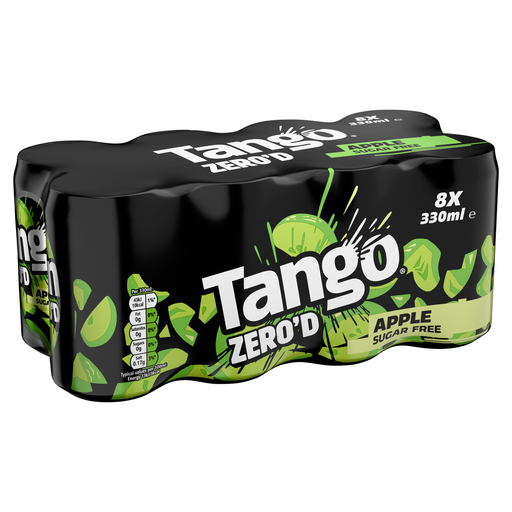
Tango Sugar Free Apple, 8 × 330ml
An apple-flavoured fizzy option for hosts considering a sugar-free drink rather than 100% juice. The cans are 330ml each; check the current ingredient and nutrition labels and pour a smaller amount if that better suits your serving plan.
View on Joybuy
 No image available
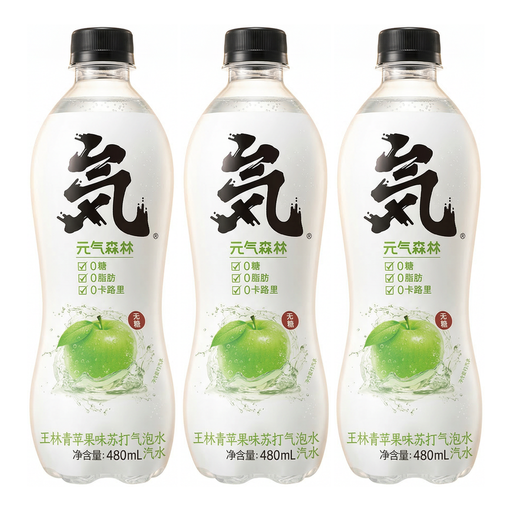
Chi Forest Wanglin Green Apple Flavour Soda Sparkling Water, 3 × 480ml
An apple-flavoured sparkling-water option rather than apple juice. Each container holds 480ml, so use cups if you want smaller servings, and check the current pack for its ingredients and nutrition values.
View on Joybuy
Common questions
Does 100% sparkling apple juice contain little sugar?
Not necessarily. ASDA lists Appletiser 150ml as 100% carbonated apple juice with 10.5g sugars per 100ml. NHS guidance limits fruit juice and smoothies to one 150ml glass a day and recommends having them with a meal.
Should each child get a whole can?
Check the can size and the drink type before deciding. A 150ml juice can matches the volume in NHS daily fruit-juice guidance, while 250ml and 330ml cans hold more; you can pour a smaller serving into a cup instead.
What should children drink at an early-years provider in England?
Department for Education guidance for early-years providers in England says to provide children with fresh tap water and plain milk. It addresses those providers, rather than establishing the same rule for every private party.
Should I check the pack if a retailer calls a drink allergen-free?
Yes. Sainsbury’s describes its Appletiser 150ml listing as allergen-free, but check the label on the pack you will serve against each guest’s requirements rather than relying solely on an online description.


