Families considering a fizzy lunch drink
If a secondary-school pupil wants a sparkling drink, check the school’s packed-lunch policy before choosing a can. For fruit juice, the NHS also advises a maximum of 150ml per day, taken with a meal.


Pack sparkling apple juice only if the school permits fizzy drinks and the pupil will have it with lunch. A 150ml serving of 100% juice can fit within the NHS maximum of 150ml of fruit juice and smoothies per day, provided there is no other juice or smoothie that day. Larger cans and sparkling apple-water drinks need a separate look at their portion size, ingredients and sugars; water remains a straightforward choice for a routine lunch drink.
If a secondary-school pupil wants a sparkling drink, check the school’s packed-lunch policy before choosing a can. For fruit juice, the NHS also advises a maximum of 150ml per day, taken with a meal.
A 150ml can of 100% sparkling apple juice is a different choice from a larger sparkling drink containing some apple juice. Compare the whole serving, not just the flavour on the front of the pack.
Still apple juice is an option when fizz is unwanted or not permitted, if the school allows juice. It remains fruit juice and falls under the same NHS daily amount; water is another option.
Start with the school’s rules, then compare the amount of juice in the serving and the practicalities of carrying it.
| Priority | What to check | Your needs |
|---|---|---|
| School rules | Check the current packed-lunch policy for fizzy drinks and cans. Department for Education school-food guidance covers food and drink provided by state-funded schools in England; it does not establish permission for a drink brought from home. | I want to know that the pupil can bring this particular drink to school before buying a multipack. |
| Juice serving | Read the can volume and juice content. The NHS advises no more than 150ml of fruit juice and smoothies in total per day and recommends having them with meals. | If this is 100% juice, I need a lunch serving that leaves the day’s total at or below 150ml. |
| Ingredients and sugars | Compare the ingredient list, juice percentage and sugars per serving. Tesco lists Appletiser 150ml as 100% carbonated apple juice; Marks & Spencer lists its sparkling apple spring water as containing 16% apple juice and added sugar. | Apple flavour alone does not tell me whether I am choosing juice or a sweetened sparkling drink. |
| Can handling | Read any container warning and consider how the drink will travel. The M&S sparkling apple can is pressurised and says not to shake it. | A drink carried in a busy school bag needs to be practical for the pupil to open at lunch. |
The NHS says sugars in unsweetened fruit juice count as free sugars and advises limiting fruit juice and smoothies to 150ml per day, with meals.
If choosing a 150ml juice can for lunch, account for any other juice or smoothie the pupil will have that day.
Product formulations differ. Tesco lists Appletiser 150ml as 100% apple juice, while the cited M&S 330ml spring-water drink contains 16% apple juice and added sugar.
Check the exact product’s ingredients, sugars per serving and can size rather than relying on its apple-themed name.
A school’s packed-lunch rules may address fizzy drinks or cans. England’s guidance for drinks provided by schools does not settle what an individual pupil may bring from home.
Read the school’s current policy or ask the school before making a sparkling drink a regular packed-lunch purchase.
The cited M&S sparkling apple can says to open it with care and not shake it.
Check the warning on the drink you choose and whether the pupil can carry and open it as directed.
Tesco lists the 150ml Appletiser can as 100% carbonated apple juice from concentrate.
The cited 330ml sparkling apple spring-water drink contains carbonated spring water and 16% apple juice from concentrate.
Tropicana Orchard Apple is a still, 100% pressed apple juice, not a sparkling alternative.
These options cover sparkling apple-and-fruit drinks in 250ml cans and a 250ml can of 100% sparkling apple juice. For a secondary-school lunch, check the school’s policy and distinguish a full 250ml can of juice from a smaller juice serving.
 No image available
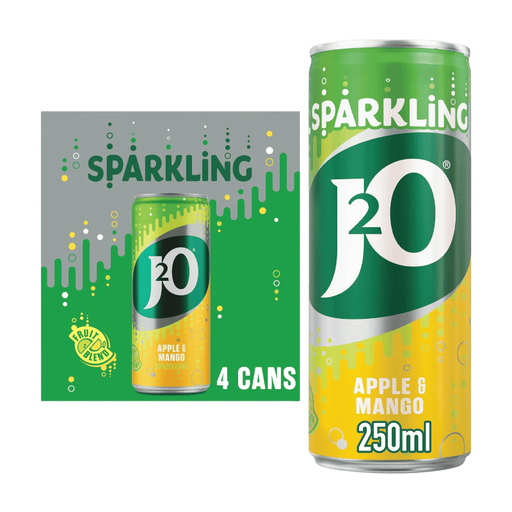
A sparkling apple-and-mango option for a pupil who wants a fruit blend rather than a drink labelled as 100% apple juice. The pack contains four 250ml cans; check the current label for juice content, ingredients and sugars, and confirm that the school permits fizzy drinks.
 No image available
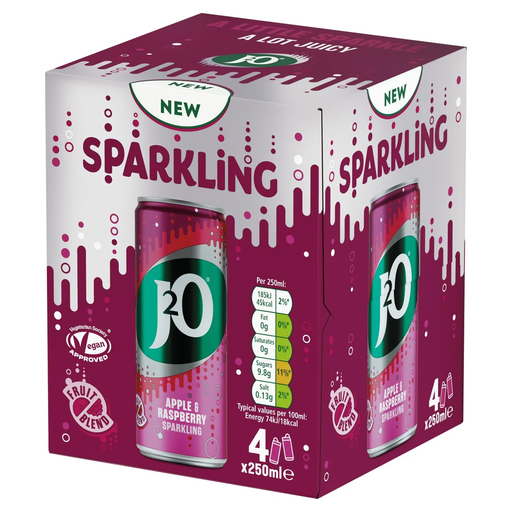
This apple-and-raspberry sparkling drink offers a different fruit blend for lunch if fizzy drinks are allowed. The pack contains four 250ml cans; check the current ingredients and sugars, and follow the can’s handling warning.
 No image available
This is the 100% sparkling apple-juice option in the selection, but a whole 250ml can exceeds the NHS maximum daily amount of 150ml of fruit juice and smoothies. The pack contains six 250ml cans; consider the portion that can be served with lunch and check the school’s fizzy-drink policy.
Do not assume it is suitable every day: check the school’s fizzy-drink policy and the pupil’s total juice serving. The NHS advises a maximum of 150ml of fruit juice and smoothies per day, taken with meals; water is a straightforward routine alternative.
Check the school’s current packed-lunch policy or ask the school. Department for Education guidance addresses food and drink provided by state-funded schools in England; it does not establish a universal rule for drinks pupils bring from home.
The cited Appletiser 150ml is 100% carbonated apple juice from concentrate. The cited M&S 330ml drink contains carbonated spring water, 16% apple juice from concentrate and added sugar, so compare the exact product’s ingredients, sugars per serving and can size.
Read its handling warning and consider how the pupil will carry and open it. The cited M&S can is pressurised and says to open with care and not shake it; choose another drink if those instructions are impractical.
Still apple juice is an alternative if the school permits juice but not fizzy drinks. It does not remove the NHS guidance to limit fruit juice and smoothies to 150ml per day and have them with meals.