Occasional visitors
If weeks pass between stays, separate servings allow you to open a drink without leaving a partly used bottle behind. Choose a pack quantity you expect to use, and check how unopened drinks should be stored.


For irregular visits, individual servings let you open only what you need; a multipack makes more sense when several people will drink sparkling apple juice during the same stay. Check the juice percentage as well as the pack size: Appletiser is labelled as 100% apple juice, whereas Cawston Press Cloudy Apple is a 49% apple-juice drink and M&S Sparkling British Apple Spring Water contains 16% apple juice and added sugar. If you are planning regular juice servings, the NHS advises limiting fruit juice and smoothies to a combined 150ml a day.
If weeks pass between stays, separate servings allow you to open a drink without leaving a partly used bottle behind. Choose a pack quantity you expect to use, and check how unopened drinks should be stored.
When several guests want a fizzy apple drink, a multipack provides individual cans that can be opened as needed. Appletiser is listed in a 6 x 250ml format; consider whether that quantity matches a typical stay.
Products described as sparkling apple drinks do not all have the same juice content. Check the ingredients and serving size if you want 100% apple juice or are accounting for the NHS guidance of no more than 150ml of fruit juice and smoothies combined per day.
Start with how many people will drink it during a visit, then check the recipe, unopened storage directions and what happens after a drink is opened.
| Priority | What to check | Your needs |
|---|---|---|
| Pack format | Compare individual servings, the number of cans in a multipack and bottle size. Match the quantity to the expected drinkers and length of stay. | I visit on my own some weekends, so I would rather open one serving than leave a larger bottle partly used. For a group stay, several unopened cans may be more practical. |
| Juice content | Read the ingredients and stated juice percentage. Sainsbury’s lists Appletiser 150ml as 100% apple juice and Cawston Press Cloudy Apple as a drink containing 49% apple juice; M&S lists 16% apple juice and added sugar in its Sparkling British Apple Spring Water. | If I specifically want sparkling apple juice, I need to distinguish it from a sparkling drink that contains some apple juice. If either type suits the household, the percentage and other ingredients help me choose knowingly. |
| Storage | Check directions for both unopened and opened drinks on the exact product. Joybuy’s Appletiser 6 x 250ml listing specifies cool, dry storage before opening, then refrigeration and consumption within four days after opening. | The property may be empty between visits, so I need unopened drinks I can store as directed and an opened serving I can finish during the stay. |
| Serving size | Compare the volume you intend to drink with other juice and smoothies consumed that day. The NHS advises a combined limit of 150ml per day for fruit juice and smoothies; an entire 250ml can of 100% juice is larger than that amount. | For a regular juice serving, I may prefer a 150ml format or pour part of a larger can rather than assuming the whole can is one daily portion. |
| Dates and availability | Check the date on each pack and confirm delivery or local stock before travelling. GOV.UK distinguishes use-by dates, which relate to food safety, from best-before dates, which relate to quality. | I want drinks ready for the next visit, not just the current one, so the printed date and the number of packs I leave behind matter. |
The name alone does not tell you the composition. Sainsbury’s lists Appletiser 150ml as 100% apple juice and Cawston Press Cloudy Apple as 49% apple juice; M&S lists 16% apple juice and added sugar in its Sparkling British Apple Spring Water.
Read the juice percentage and ingredients before deciding whether you want sparkling juice or an apple-containing sparkling drink.
For its Appletiser 6 x 250ml pack, Joybuy states that an opened drink should be refrigerated and consumed within four days. That instruction matters if the second home will soon be empty again.
Open only the servings you expect to finish, and follow the directions on the particular pack you buy.
A full 250ml can of 100% sparkling apple juice exceeds the NHS guidance of no more than 150ml of fruit juice and smoothies combined per day.
If you are planning a regular juice serving, account for other juice and smoothies that day and consider a smaller portion or sharing the can.
A product listing does not establish what can be delivered to the second-home address or bought locally when you arrive.
Check availability for the intended address shortly before travelling, and have another suitable pack format in mind.
These brand examples show differences in drink type and format; a brand’s inclusion here does not establish what is available for a particular trip.
Sainsbury’s lists a 150ml serving of 100% sparkling apple juice, while Joybuy lists a 6 x 250ml pack made with 100% carbonated apple juice from concentrate.
Sainsbury’s describes Cloudy Apple 4 x 250ml as a sparkling juice drink made with 49% not-from-concentrate pressed apple juice.
M&S describes Sparkling British Apple Spring Water as carbonated spring water with 16% apple juice from concentrate and added sugar.
Tesco Groceries lists Copella Apple Juice in still-juice formats including 900ml and 1.35L.
Tesco Groceries lists Tropicana Pressed Apple Fruit Juice in a 1.5L still-juice format.
These options include a 100% sparkling apple juice multipack, apple-containing fizzy drinks in several pack sizes and a larger sparkling apple bottle. Choose by the drink type and quantity you want, then check the exact pack for ingredients and storage instructions.
 No image available
Six separate cans suit a stay with several drinkers without requiring every serving to be opened at once. Joybuy lists 100% carbonated apple juice from concentrate and says to store it in a cool, dry place; after opening, refrigerate and consume within four days. A full 250ml can is larger than the NHS’s 150ml combined daily guidance for fruit juice and smoothies.
 No image available
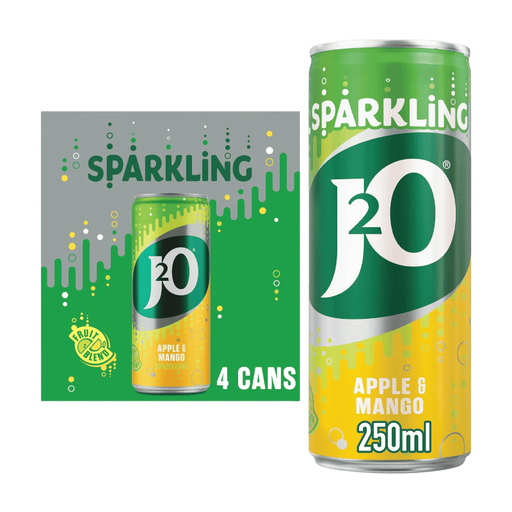
This four-can format may suit a short group stay if an apple-and-mango sparkling drink, rather than specifically 100% apple juice, is wanted. Each can is 250ml; check the ingredients and unopened and post-opening storage directions on the pack before leaving it at the property.
 No image available
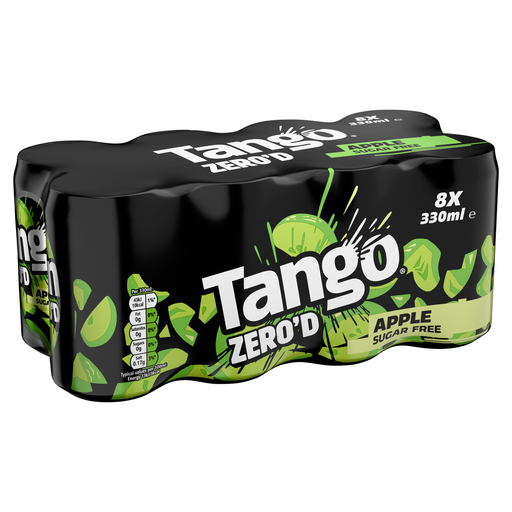
Eight separate 330ml cans are a different stock-up quantity from a four- or six-pack. This is labelled as an apple-flavoured drink, not as 100% sparkling apple juice; check its ingredients if the amount of apple juice or the use of sweeteners affects your choice.
 No image available
A 24-can pack is worth considering for a larger group stay, but compare that quantity with how often the second home is used. Each can is 330ml. Check the pack’s ingredients and storage directions rather than treating an apple-flavoured fizzy drink as 100% apple juice.
 No image available
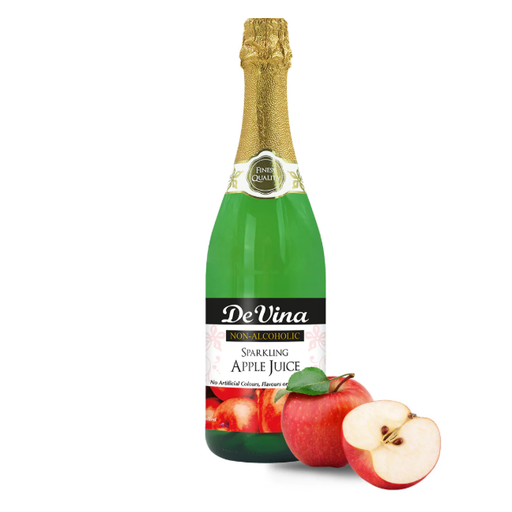
A 750ml format is a consideration for a stay when several people expect to share it. Check the juice percentage and the exact post-opening instructions on the bottle, particularly if the property will be empty again soon.
Some can be stored unopened as directed, but check the exact product. Joybuy’s Appletiser 6 x 250ml listing specifies a cool, dry place before opening, while Sainsbury’s Cawston Press Cloudy Apple listing says to store it in the cupboard and enjoy it chilled. Do not apply those instructions to every apple juice.
Joybuy instructs shoppers to refrigerate its Appletiser 6 x 250ml product after opening and consume it within four days. Follow the directions on your exact pack rather than assuming the same period applies to another bottle or can.
No. Sainsbury’s lists Appletiser 150ml as 100% apple juice and Cawston Press Cloudy Apple as a drink containing 49% apple juice. M&S lists 16% apple juice from concentrate, carbonated spring water and added sugar in its Sparkling British Apple Spring Water. Read the ingredients when juice content matters to your choice.
A full 250ml can of 100% apple juice is larger than the NHS’s advised combined daily limit of 150ml for fruit juice and smoothies. Consider the amount poured and any other juice or smoothies consumed that day; do not apply the entire drink volume as though it were pure juice when comparing drinks with different juice percentages.
Check the date printed on each pack before leaving it at the property. GOV.UK explains that a use-by date relates to food safety, whereas a best-before date relates to quality; they are not interchangeable.