Families planning an occasional fizzy drink
A sparkling cordial or pressé can be an occasional choice for a meal or gathering, rather than the drink packed for an ordinary school day.


For occasional bubbles, choose a cordial to mix with sparkling water if you want to control dilution and make only the amount needed; choose a ready-to-drink sparkling pressé when avoiding preparation matters more. Check the exact drink’s sugar labelling, ingredients and storage instructions, and keep water as the routine school drink, in line with Healthier Together NHS guidance for children.
The useful distinction is whether you will mix a drink at home or need one that is already sparkling.
A sparkling cordial or pressé can be an occasional choice for a meal or gathering, rather than the drink packed for an ordinary school day.
Concentrate lets you prepare a smaller amount when needed. A ready-to-drink pressé needs no sparkling water or measuring.
The exact flavour and format matter when checking sweeteners, sulphites, dilution directions and how long an opened bottle can be kept.
Choose it when: You have sparkling water and want to prepare only the amount you plan to serve.
Trade-off: You need to measure the concentrate and follow the particular bottle’s directions.
Choose it when: You want an occasional sparkling drink without mixing, such as for a shared meal or outing.
Trade-off: Dilution is not adjustable, and an opened bottle may have a short use period.
| Priority | What to check | Your needs |
|---|---|---|
| School-day drink | Decide whether the drink is for an occasional occasion or the usual school bottle. Healthier Together NHS advises water or milk for children’s routine drinking. | For an ordinary school day, I want to pack water and keep a fizzy option for another occasion. |
| Dilution and sugar | Check whether the nutrition panel describes concentrate, a diluted serving or a ready-to-drink product. Tesco gives Robinsons Crushed Lime & Mint a ratio of one part cordial to six parts water; Waitrose suggests one part No.1 Elderflower Cordial to four parts water. | If I mix it myself, I want to use the directions for that bottle rather than compare its concentrate directly with a finished drink. |
| Ingredients | Read the current ingredient and allergy panel for the exact flavour. Tesco’s Robinsons listing declares sweeteners and sulphites; Waitrose lists no sweeteners for Belvoir Farm Sparkling Elderflower 4x330ml. | Sweeteners or sulphites may affect my choice, so I need to check the particular pack rather than rely on the brand name. |
| Pack and storage | Match the format to how much you will serve. Waitrose says its 500ml No.1 Elderflower Cordial makes 2.5 litres at the suggested dilution; Marks & Spencer says its 750ml Sparkling British Elderflower Pressé should be refrigerated and consumed within three days of opening. | If we only want a little at a time, I would rather check the opened-bottle instructions before choosing a larger ready-made bottle. |
Healthier Together NHS advises water or milk for children’s routine drinking and cautions against making fizzy drinks or sugary cordial an everyday choice.
Keep sparkling cordial or pressé for occasional use instead of replacing the school water bottle.
A figure for a diluted cordial serving does not describe the same quantity as one given per 100ml of a ready-to-drink pressé.
Read each nutrition panel’s stated basis and use the cordial’s dilution instructions when comparing prepared drinks.
Sweetener and sulphite declarations can differ between products and formats; Tesco’s Robinsons Crushed Lime & Mint listing, for example, declares both.
Check the current ingredient and allergy information on the exact pack you intend to serve.
Marks & Spencer instructs shoppers to refrigerate its 750ml Sparkling British Elderflower Pressé after opening and consume it within three days.
Choose a pack size that fits how soon it will be served, or mix a smaller amount of cordial when that better suits your plans.
A partly used bottle can go to waste if it is not finished within its stated opened-life.
These examples illustrate different formats; check the current label for the particular product you choose.
Crushed Lime & Mint Fruit Cordial 500ml is a concentrate that can be mixed with water.
Elderflower Cordial 500ml is intended for mixing with still or sparkling mineral water.
M&S lists cordials for dilution as well as a ready-to-drink Sparkling British Elderflower Pressé.
Sparkling Elderflower 4x330ml is a ready-to-drink format listed by Waitrose.
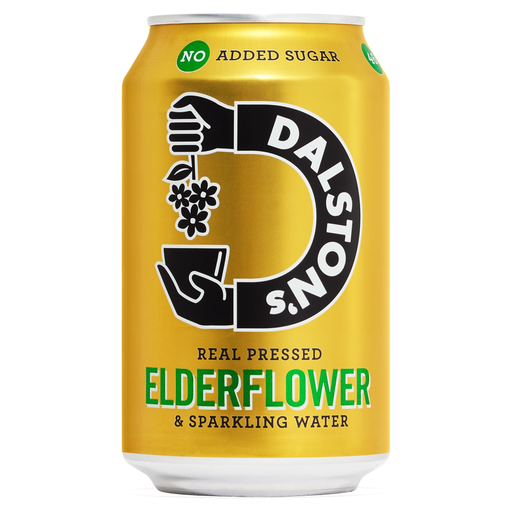
This sparkling elderflower drink represents the no-mixing option for an occasional occasion, not a cordial concentrate.
 No image available
This 330ml fizzy elderflower drink is a ready-to-drink option for occasions when mixing cordial is inconvenient.
Yes, when the particular cordial’s directions allow it. Waitrose suggests mixing its No.1 Elderflower Cordial with still or sparkling mineral water at one part cordial to four parts water; follow the directions on your own bottle.
Keep water as the routine school drink. Healthier Together NHS advises water or milk for children’s regular drinking and cautions against making fizzy drinks and sugary cordial a routine choice.
The Department for Education’s school-food guidance concerns food and drink provided in state-funded schools in England. For a packed lunch brought from home, check your own school’s policy rather than assuming that guidance sets the packed-lunch rules.
Read the current ingredient and allergy panel for the exact drink. Tesco declares sweeteners and sulphites for Robinsons Crushed Lime & Mint Fruit Cordial, while Waitrose lists no sweeteners for Belvoir Farm Sparkling Elderflower 4x330ml; neither statement describes every product from those brands.
Follow the instructions for the specific product. The Waitrose No.1 Elderflower Cordial information says to refrigerate below 5°C after opening and consume within one month; Marks & Spencer says to refrigerate its Sparkling British Elderflower Pressé and consume within three days.