
24/7 Customer Support

Free returns

Same-day & Next-day Delivery

Quality Guaranteed

Unlock Your Welcome Offers: FREE Delivery | Up to 80% OFF | Free 30-day JoyPlus trial
Download the APP
Sparkling drinks cover a wide range of tastes and formats, from plain sparkling water and mineral water to fruit-flavoured soda, Japanese ramune and low-calorie fizzy drinks. That choice is useful, but it can also make shopping confusing. A colourful label may suggest a light refreshment while the nutrition panel tells a different story, or a large soft drink multipack may seem economical until you realise the flavour does not suit your household.
Before buying carbonated drinks, check three common traps:
UK food labels generally show energy, carbohydrate and sugars per 100ml, making it easier to compare different pack sizes. A drink with 10.5g of sugar per 100ml will provide considerably more sugar in a 325ml bottle than in a smaller serving.
For a lighter everyday option, look at unsweetened sparkling water or flavoured sparkling water with zero sugar. Dash Raspberry, for example, lists 0g sugar and 1 kcal per 100ml, while its Grapefruit variant lists 0g sugar and 2 kcal per 100ml. These are different from sparkling soft drinks that contain sugar or sweeteners.
Low-calorie fizzy drinks may still contain sweeteners, so check for ingredients such as sucralose, stevia or acesulfame potassium if you want to avoid them. People with specific allergies or dietary requirements should read the packaging each time, as formulations can change.
Plain sparkling mineral water is generally suited to meals, mixers and everyday refreshment. Its mineral composition may influence the taste: Highland Spring Sparkling Water lists bicarbonate, calcium and magnesium per litre, while San Pellegrino is natural mineral water with carbon dioxide.
Fruit-flavoured soda usually offers a sweeter, more noticeable taste. J2O Sparkling Apple & Raspberry contains fruit juices from concentrate, sugar and sweetener, while Hatakosen Ramune Lychee combines lychee juice concentrate with sugar in a 200ml Codd neck bottle.
For cocktails and mocktails, consider can size and flavour strength. A 150ml can, such as Fever-Tree Mexican Lime Soda, helps limit opened leftovers when preparing individual drinks. For parties, larger multipacks can be more convenient, but check storage space and best-before dates.
Cans, glass bottles and plastic bottles each suit different occasions. Resealable packaging can be useful for commuting, picnics or outdoor activities. Cano Water Sparkling uses resealable 500ml aluminium cans, while glass bottles such as De Vina Sparkling Mango may be more suited to a dining table or celebration.
Carbonated drinks are pressurised. Do not consume cans or bottles that are swollen, leaking, damaged or have broken seals. Store unopened products according to the label, away from direct sunlight and heat. Once opened, most drinks should be refrigerated and consumed promptly to retain carbonation and flavour.
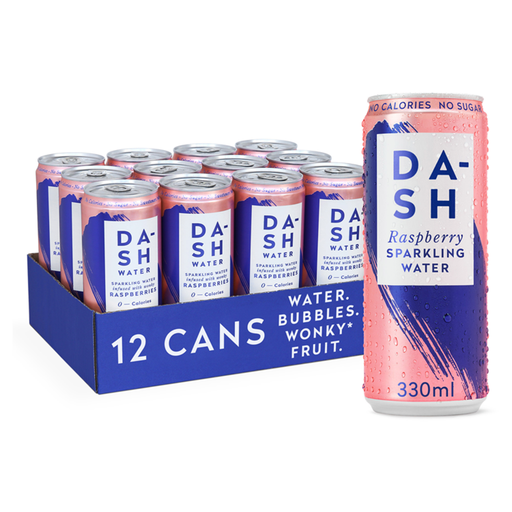
Why This Suits Their Persona: A 12-can multipack provides a practical stocking-up format for households wanting raspberry flavour without sugar or sweeteners.
The label lists 0g sugar and 1 kcal per 100ml, helping shoppers distinguish it from sweetened fruit-flavoured soda.
330ml cans; carbonated spring water with raspberry extract and natural flavourings.

Why This Suits Their Persona: Six 1-litre bottles suit formal meals, hosting and serving at the table.
It is listed as natural mineral water and carbon dioxide, with 0 kcal and 0g sugar per 100ml.
One-litre bottles; suitable as a meal accompaniment or mixer.
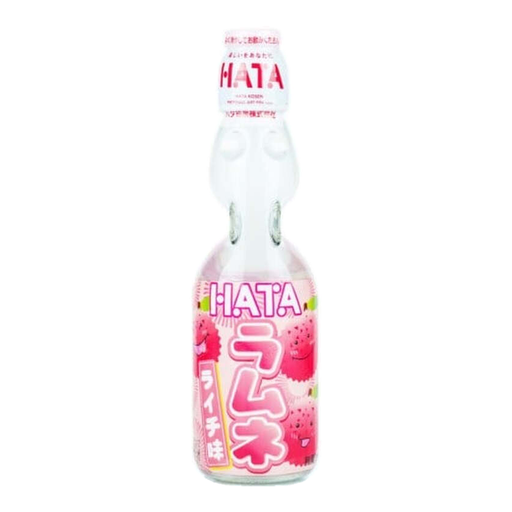
Why This Suits Their Persona: The compact serving and traditional marble-sealed bottle add a distinctive touch to parties, picnics or Asian-inspired meals.
Its 200ml quantity makes portion size clear, while the ingredients and nutrition panel show 43 kcal and 10.5g sugar per 100ml.
Lychee flavour; Codd neck bottle with a supplied opener and marble seal.
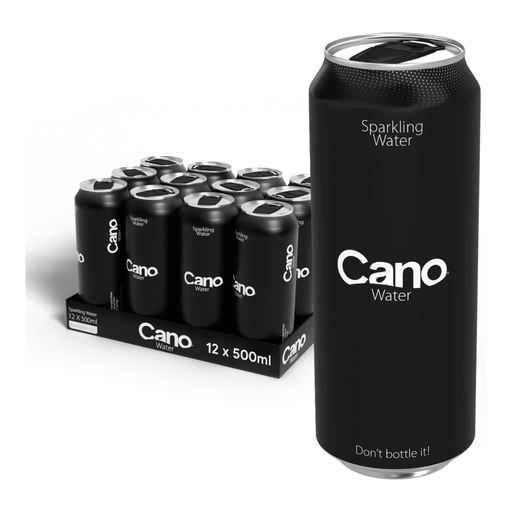
Why This Suits Their Persona: The 500ml resealable format is useful for workdays, travel, walks and family outings where a single drink may not be finished immediately.
The pack quantity and resealable design are clearly specified, avoiding the inconvenience of opening a large bottle without a secure closure.
Natural spring water and carbon dioxide; 0 kcal and 0g sugar per 100ml; recyclable aluminium cans.
We have compiled a complete, real-time list of products that fully satisfy these strict selection criteria and UK safety regulations.
Unsweetened sparkling water can fit into everyday routines, particularly when you want an alternative to still water. Flavoured sodas and sweetened carbonated drinks contain varying amounts of sugar, so check the label and consider serving size. Carbonation may not suit everyone, especially alongside certain meals.
Fizz gradually escapes once a can or bottle is opened. Resealable bottles and cans can slow this process, but they should still be refrigerated and consumed according to the product instructions. For the strongest carbonation, open drinks shortly before serving.
The cost depends on the product type, pack size, packaging and whether it is plain water, a flavoured soda or an imported drink. Compare the price per litre rather than only the shelf price. A multipack may reduce the cost per serving, while smaller bottles can help prevent waste when testing new flavours.