What should you check before buying?
Decide whether you want fizz or a still fruit blend, then compare the labels of drinks in that format.
| Priority |
What to check |
Your needs |
| Drink format |
Look for carbonation and read the ingredient order. Marks & Spencer lists carbonated water in its sparkling drinks; Tesco describes the innocent smoothie as crushed fruit and pure juices. |
I want fizz beside my snacks, rather than assuming a fruit-flavoured sparkling drink has a smoothie's composition. |
| Sugars and sweeteners |
Compare sugars using the label's stated per-100g or per-100ml basis, and check sweeteners separately. Marks & Spencer lists 0.5g sugars per 100g and sucralose for its Diet Pineapple and Grapefruit drink; its Juicy Pineapple and Passion Fruit drink lists 7.3g sugars per 100g. |
A lower labelled sugar figure matters to me, but I also want to know whether the drink contains a sweetener. |
| Fruit ingredients |
Read juice percentages rather than relying on the fruit flavour in the name. Marks & Spencer lists 53% apple juice from concentrate in its Juicy Pineapple and Passion Fruit drink; its Diet Pineapple and Grapefruit drink lists 3% pineapple and 2% grapefruit juice from concentrate. |
When choosing a fizzy drink, I want to see how much fruit juice its ingredients actually list. |
| Smoothie portion |
The NHS advises a maximum of one small 150ml glass of fruit juice or smoothie a day, with a meal. Tesco lists its innocent smoothie in a 250ml bottle. |
If I pick a smoothie for a long session, I want to plan the portion rather than treat the whole bottle as an all-session drink. |
| Storage and allergens |
Check the current pack's allergen and after-opening instructions. Tesco says to keep its innocent smoothie at 0–8°C and drink it within two days of opening; Marks & Spencer lists sulphites in its strawberry-and-elderflower pressé. |
I may open a drink across more than one break, or need to check an ingredient before drinking it. |
Fruit-flavoured drinks on Joybuy
These options focus on fizzy, fruit-flavoured drinks for a gaming-snack break rather than conventional still smoothies. Check each current pack if juice content, sugars or sweeteners will decide your choice.
 No image available
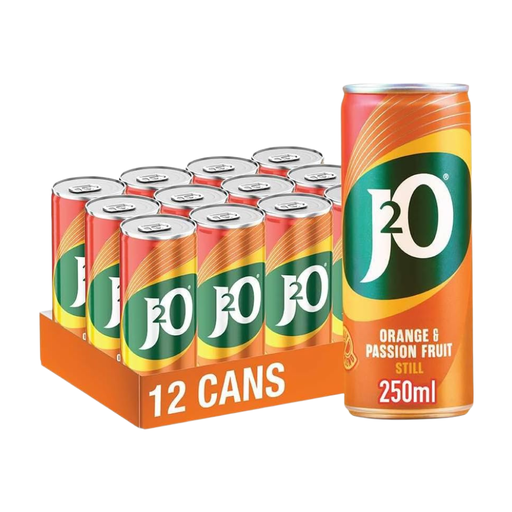
J2O Orange & Passion Fruit 12 × 250ml
An orange-and-passion-fruit option for a fizzy snack break. The pack contains 12 × 250ml; check the current can for its juice proportions, sugars and sweeteners.
View on Joybuy
 No image available
Tango Apple Sugar-Free 24 × 330ml cans
An apple-flavoured fizzy option if you are considering a sugar-free labelled drink. The pack contains 24 × 330ml cans; check the current ingredients for juice content and sweeteners.
View on Joybuy
 No image available
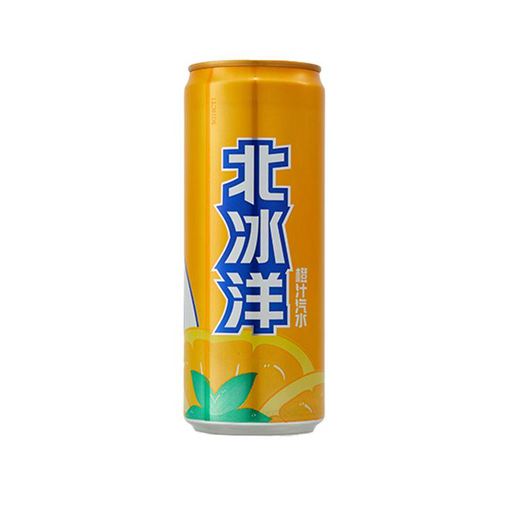
Bei Bing Yang Orange Juice Soda 330ml
An orange soda in a 330ml size for a fizzy snack break. If the amount of fruit juice matters to you, check its percentage on the current pack alongside the sugars figure.
View on Joybuy
Frequently asked questions
Is a sparkling fruit drink the same as a smoothie?
No: carbonation does not establish smoothie-like ingredients. Tesco describes its innocent smoothie as crushed fruit and pure juices, while the Marks & Spencer sparkling drinks list carbonated water with differing amounts of juice. Read the individual ingredients before choosing.
Should I drink a smoothie throughout a gaming session?
Do not treat a smoothie as an unlimited hydration drink. The NHS advises limiting fruit juice and smoothies to one small 150ml glass a day, with a meal, because they are high in sugar; it recommends water to replace lost fluids.
Does no added sugar mean a fruit drink contains no sugar?
No. Fruit-derived sugars can still appear on the nutrition panel: Marks & Spencer lists 7.3g sugars per 100g for its Juicy Pineapple and Passion Fruit drink. Compare that figure separately from any sweeteners in the ingredients.
How should I keep an opened smoothie?
Follow the instructions on its own pack. Tesco says its innocent smoothie should be kept refrigerated at 0–8°C and consumed within two days of opening.
What should I check if an ingredient could be a problem for me?
Read the current pack's ingredients and allergen information before drinking it. For example, Marks & Spencer lists sulphites in its British Strawberry and Elderflower Sparkling Pressé; a different fruit flavour does not establish that another drink has the same ingredients.


