
24/7 Customer Support

Free returns

Same-day & Next-day Delivery

Quality Guaranteed

Unlock Your Welcome Offers: FREE Delivery | Up to 80% OFF | Free 30-day JoyPlus trial
Download the APP
Sparkling drinks can be an easy way to add refreshment to meals, workdays, parties and family gatherings. However, the shelf can be confusing: sparkling water, fizzy drinks, fruit-flavoured soda and non-alcoholic sparkling drinks may look similar while differing considerably in sugar, ingredients, portion size and packaging.
The right choice depends less on eye-catching branding and more on what is inside the pack, how often you plan to drink it and where it will be stored.
A drink described as raspberry, orange or mango may contain only fruit extract or flavouring. That is not necessarily a problem, but shoppers seeking juice should check the ingredients list and the percentage of fruit juice.
For example, some sparkling water products contain carbonated spring water, natural flavourings and fruit extract, with little or no sugar. Others, such as fruit-flavoured soda, may include juice from concentrate, sugar or sweeteners.
A label showing nutrition per 100ml is useful for comparison, but a bottle or can may contain considerably more than 100ml. A 330ml can, 500ml bottle and 750ml glass bottle are intended for different occasions.
When comparing fizzy drinks, multiply the per-100ml figures by the actual portion. This gives a more realistic view of sugar and energy intake.
Sugar-free fizzy drinks can contain sweeteners such as sucralose, acesulfame K or steviol glycosides. If you prefer a shorter ingredient list, sparkling water may be more suitable. If you enjoy a stronger soft drink flavour without sugar, a sweetened carbonated drink may fit your preferences.
Always read the current packaging, particularly if you have allergies or dietary restrictions. Product formulations and packaging information can change.
For everyday refreshment, compare sugars and energy per 100ml, then consider the full serving. Dash Raspberry sparkling water lists 0g sugar and 1 kcal per 100ml, while Highland Spring sparkling spring water contains no sugar or calories according to the supplied product information.
Poppi Raspberry & Rose lists 1.1g sugar and 8 kcal per 100ml. It also contains cassava root fibre, fruit juice from concentrate and steviol glycosides. Living Things Peach & Blood Orange lists 1.5g sugar and 13 kcal per 100ml, alongside chicory root inulin and live cultures. These products may appeal to shoppers looking for something beyond plain sparkling water, but they should not be treated as medical or therapeutic drinks.
Check the full ingredients list rather than relying only on front-of-pack wording. Common ingredients in sparkling drinks include carbonated water, fruit juice, acids, preservatives, flavourings and sweeteners.
Some options are allergen-free according to their supplied listings, while OKF Milky Original Sparkling Drink contains milk and includes milk powder and non-dairy creamer. This makes checking the allergen declaration particularly important when buying for guests or children.
Choose packaging based on how the drink will be used:
Carbonation is gradually lost after opening, so resealable packaging can be useful when a drink will not be finished immediately. Store unopened drinks according to the label, keep them away from direct sunlight and chill before serving where recommended. Never consume a container that is leaking, swollen, badly damaged or has a broken seal.
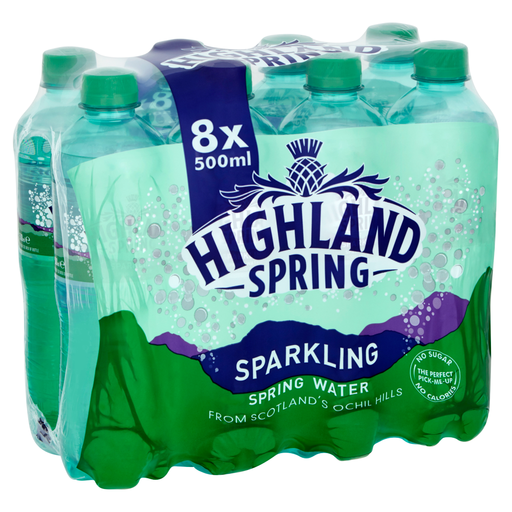
Why This Fits Their Persona: An accessible multipack for shoppers wanting straightforward sparkling water for lunches, home use or the fridge at work.
The supplied information identifies natural sparkling spring water only, with no sugar or flavouring listed.
Eight 500ml bottles; contains naturally occurring minerals including calcium and magnesium.

Why This Fits Their Persona: The 1-litre glass-bottle format is suited to serving with family meals, dinner parties and restaurant-style occasions at home.
The product is clearly identified as natural mineral water with carbon dioxide, rather than a sweetened soft drink.
Six 1-litre bottles; 0 kcal and 0g sugar per 100ml in the supplied nutrition information.
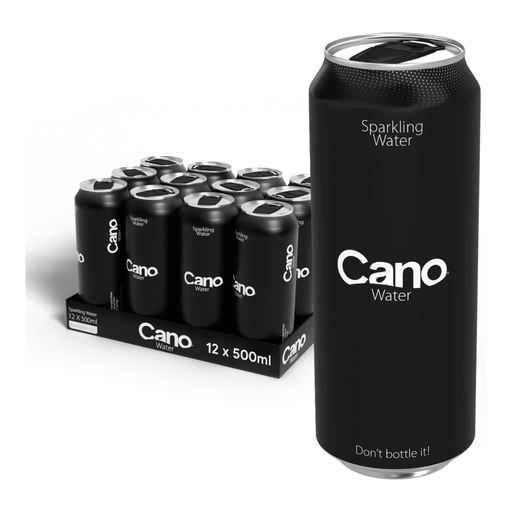
Why This Fits Their Persona: A 12-pack of resealable 500ml cans suits offices, picnics, commuting, outdoor events and busy household fridges.
The resealable format helps limit waste when a full serving is not consumed at once.
Natural spring water and carbon dioxide; aluminium cans; 0 kcal and 0g sugar per 100ml.
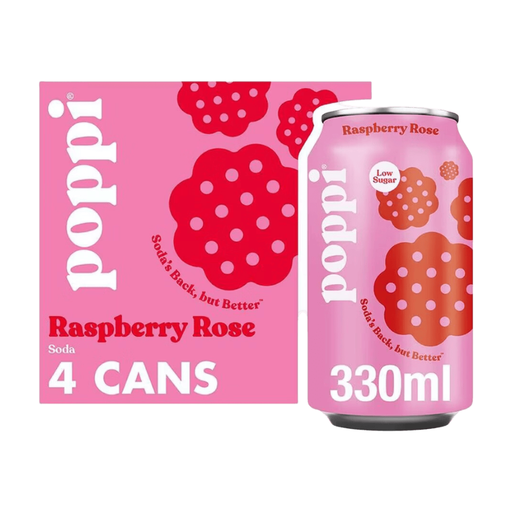
Why This Fits Their Persona: A four-can option for shoppers who want raspberry and floral notes in a portioned, chilled soft drink.
Its supplied nutrition panel states 8 kcal and 1.1g sugar per 100ml, making comparison with standard fizzy drinks straightforward.
Contains 5% fruit juices from concentrate; provides 1.1g fibre per 100ml according to the supplied listing.
We have compiled a complete, real-time list of products that fully satisfy these strict selection criteria and UK safety regulations.
Plain sparkling water generally contains no sugar or energy, while flavoured sparkling water varies by recipe. Check the nutrition panel: Dash Orange lists 0g sugar per 100ml, whereas some fruit-flavoured soda products contain sugar or sweeteners.
Carbonation starts to dissipate once the seal is broken. Resealable bottles and cans can help retain fizz, but refrigeration and prompt consumption usually provide a better drinking experience. Follow the product’s storage instructions.
Multipacks may offer a lower cost per serving, but compare the total volume, delivery cost and the likelihood of waste. A four-pack may suit occasional use, while a 12-pack can make more sense for households, offices or events.