A sparkling energy drink is an optional caffeine choice before a 5k, not something you need to buy as race fuel. If you have already tolerated caffeine and a fizzy drink during training, compare the dose per whole can, its sugar content and caffeine from everything else you consume that day; a zero-sugar can does not necessarily contain less caffeine.
Who is choosing a drink?
The useful distinction is whether you want caffeine, sugar, both or neither—and whether you have tried that drink before running.
Adults trialling caffeine before a 5k
If you want a sparkling caffeine option, compare the amount in the whole can and try the serving during training. The 2021 International Society of Sports Nutrition position stand reports that responses to caffeine differ between individuals.
Runners avoiding sugar
A zero-sugar drink changes the sugar choice, not necessarily the caffeine dose. Check both figures on the exact can before deciding whether it fits your pre-run plan.
Runners considering a sugary drink
If you want carbohydrate from your drink, compare its sugar content with what you already plan to eat or drink. Sugar content alone does not establish that an energy drink is needed for a 5k.
What should you compare?
Start with caffeine per whole can, then decide whether the sugar and serving volume suit a drink you have already tried before running.
| Priority |
What to check |
Your needs |
| Caffeine dose |
Read the amount per whole can, not just per 100 ml. Red Bull states 80 mg in a 250 ml Original can; Monster Energy UK states 160 mg in a 500 ml Zero Sugar or Original Green can. Include caffeine from other sources that day. |
I want to know the full dose before choosing a can, particularly if I have not tried that amount before a run. |
| Sugar content |
Compare the exact variant’s sugar figure. Red Bull states 27 g per 250 ml Original can; Monster Energy UK states 0 g per 500 ml Zero Sugar can and 55 g per 500 ml Original Green can. |
If I want carbohydrate from a drink, I can choose that deliberately. If I do not, a zero-sugar label still leaves me with a separate caffeine decision. |
| Serving and fizz |
Check the can volume and whether you have tolerated that fizzy serving before running. A 500 ml can is twice the volume of a 250 ml can, but volume alone does not tell you the caffeine dose. |
A smaller drink may fit my usual pre-run routine; I would rather try an unfamiliar serving in training than on race day. |
Common buying mistakes
-
Assuming zero sugar means little caffeine
Monster Energy UK lists 0 g sugar but 160 mg caffeine in a 500 ml Zero Sugar can. The two figures answer different questions.
Compare sugar and caffeine separately on the exact product label, then account for other caffeine sources that day.
-
Picking a larger can without checking the dose
Manufacturer figures put a 500 ml Monster Zero Sugar or Original Green can at 160 mg caffeine, against 80 mg in a 250 ml Red Bull Original can. The larger serving also means more fizzy drink to consume.
Choose a serving and caffeine amount you have already tried before running rather than first testing them at a race.
-
Taking sugar content as proof you need race fuel
Red Bull states 27 g sugar in a 250 ml Original can and Monster Energy UK states 55 g in a 500 ml Original Green can. Those figures describe the drinks, not a requirement for a 5k.
Decide whether you want caffeine, carbohydrate, both or neither before selecting a can.
Brand references for sparkling energy drinks
Compare named drinks and variants rather than assuming that every product from a brand has the same caffeine, sugar or can size.
Red Bull
Red Bull states that its Original energy drink contains 80 mg caffeine and 27 g sugar per 250 ml can.
- The stated can size and caffeine amount make the whole-can dose straightforward to compare.
- Original contains sugar; check a different variant’s own label rather than applying these figures across the range.
Monster
Monster Energy UK lists 160 mg caffeine per 500 ml can for both Zero Sugar and Original Green, but their stated sugar contents differ: 0 g and 55 g respectively.
- These named variants allow a sugar comparison at the same stated can size and caffeine amount.
- The 500 ml serving may not suit someone who prefers a smaller fizzy drink before running.
Relentless
Relentless lists carbonated water and caffeine at 0.03% among the ingredients of its Guava drink.
- The ingredient list identifies Guava as a carbonated, caffeinated option.
- Check the exact can’s volume, caffeine statement and sugar figure before comparing it with another variant.
Lucozade Alert
Lucozade describes Alert as a sparkling, high-caffeine drink within its wider range.
- It is a named sparkling option to consider if you are comparing drink formats.
- Use the exact can label for its caffeine per serving, sugar and volume; the range description does not establish those figures for every variant.
Joybuy product options
These options cover smaller Red Bull cans and Monster multipacks for different sugar preferences. Compare the exact can’s caffeine and sugar information before choosing one for a pre-5k trial.
 No image available
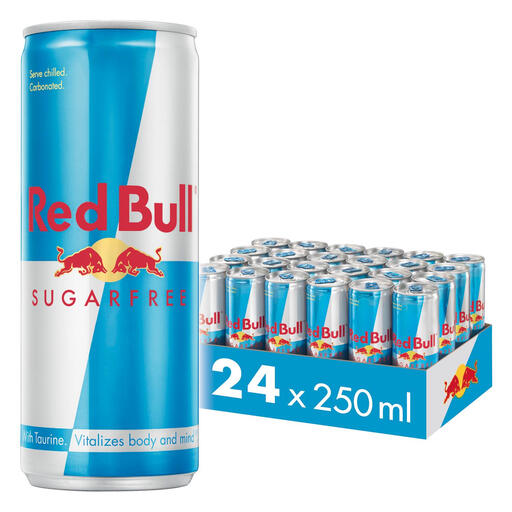
Red Bull Sugarfree Energy Drink, 250 ml, pack of 24
The 250 ml sugar-free format is an option if you want to trial a smaller serving before a run. Check caffeine per can on the exact pack and include other caffeine sources in your decision.
View on Joybuy
 No image available
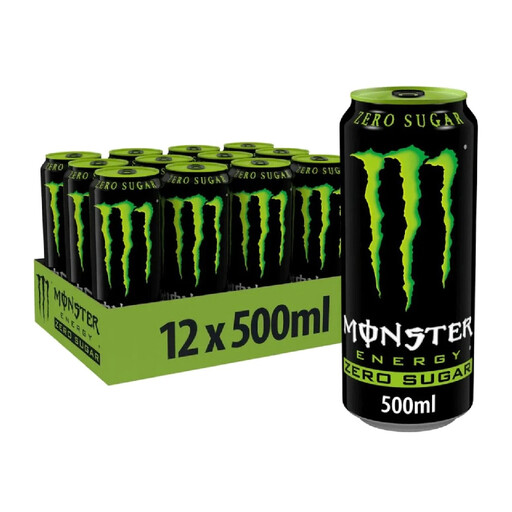
Monster Energy Green Zero Sugar, 12 cans
Consider this zero-sugar variant if avoiding sugar is part of your drink choice. Check its can size and caffeine per can rather than assuming that zero sugar means a smaller caffeine dose.
View on Joybuy
 No image available
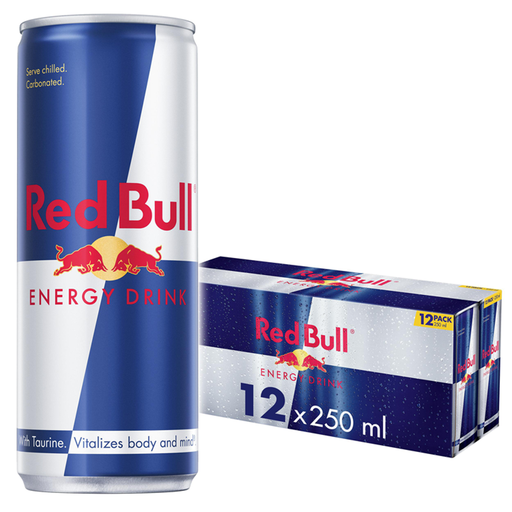
Red Bull Energy Drink Original, 250 ml, pack of 12
This smaller, sugar-containing can is an option if you want both caffeine and carbohydrate from the drink. Red Bull states 80 mg caffeine per 250 ml Original can; check the sugar figure on the exact pack when comparing it with other drinks.
View on Joybuy
 No image available
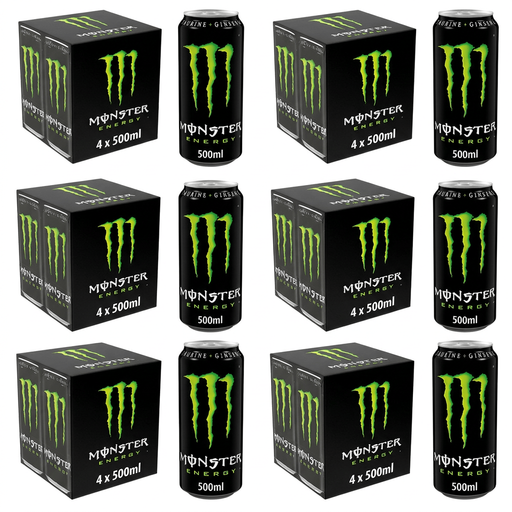
Monster Energy Original Green, 6 × 4 × 500 ml
This sugar-containing 500 ml format is a choice only if you want the larger fizzy serving as well as caffeine. Monster Energy UK states 160 mg caffeine per 500 ml Original Green can; check the sugar figure on the exact pack and trial the serving in training.
View on Joybuy
Questions about drinks before a 5k
Do I need a sparkling energy drink to fuel a 5k?
No: a sparkling energy drink is an optional caffeine choice, not automatically necessary race fuel. If you choose one, try the exact drink and serving during training so you know whether the caffeine dose and fizzy volume suit you.
How much caffeine is in a whole can?
It depends on the product and can size. Red Bull states 80 mg in a 250 ml Original can, while Monster Energy UK states 160 mg in a 500 ml Zero Sugar or Original Green can. Read the whole-can amount on the variant you intend to drink.
Should I choose a zero-sugar or sugary drink?
Choose according to whether you want carbohydrate from the drink, then check caffeine separately. Monster Energy UK lists 0 g sugar and 160 mg caffeine for its 500 ml Zero Sugar can, versus 55 g sugar and the same stated caffeine amount for its 500 ml Original Green can.
What should I check before drinking one ahead of a run?
Try the exact serving and timing in ordinary training, and count caffeine from other drinks and products consumed that day. The European Food Safety Authority’s 2015 assessment considers caffeine from all sources; its general healthy-adult figures are not an individual clearance for someone with a medical condition or a possible medication interaction.


