For a sparkling drink with a lecture lunch, compare caffeine in the whole can before choosing by size or sugar-free wording: Red Bull lists 80 mg in a 250 ml Sugarfree can, while Monster lists 160 mg in a 500 ml Zero Sugar can. A smaller can may suit you if you want less caffeine in one drink; if avoiding sugar matters more, check both the sugar and caffeine figures, since zero sugar does not mean caffeine-free. For a sweetened option, compare the exact can’s nutrition label and consider any caffeine you have already had that day.
Who these choices suit
Students who want a smaller can
A 250 ml sparkling can is an option if you want one drink with lunch and prefer to check a smaller whole-can caffeine amount. Red Bull lists 80 mg in its 250 ml Sugarfree can; Tesco lists 30 mg per 100 ml for Blue Spark Sugar Free, equivalent to 75 mg in a 250 ml can.
Students choosing zero sugar
Check caffeine separately from sugar. Monster lists 0 g sugar and 160 mg caffeine in a 500 ml Zero Sugar can, so its zero-sugar description does not tell you how much caffeine you would drink.
Students choosing by flavour
If you prefer a sweetened or glucose-containing sparkling drink, compare the exact flavour and can size rather than assuming similar sugar figures across ranges. Monster lists 55 g sugar per 500 ml Original can, while Lucozade describes its Energy range as sparkling and containing glucose.
What to check before choosing
Start with the amount you expect to drink at lunch, then compare caffeine and sugar for that amount. Use flavour and pack format to narrow the remaining options.
| Priority | What to check | Your needs |
|---|
| Whole-can caffeine |
Read the caffeine figure and can volume. If caffeine is stated per 100 ml, use the can volume to compare full cans; also consider caffeine from other drinks. |
I want to know how much caffeine I would have if I finish the can at lunch, particularly if I have already had tea or coffee. |
| Sugar and sweeteners |
Check sugars on the nutrition panel and sweeteners in the ingredients for the exact product. Sugar-free does not mean caffeine-free. |
A drink without sugar may be my preference, or I may want a sweetened flavour. Either way, I want to know what is in this can. |
| Fizz and flavour |
Confirm that the drink is described as sparkling or carbonated, then check its stated flavour. Do not use flavour as a guide to caffeine or sugar content. |
Fizz matters with my lunch, but I might prefer citrus to a classic energy-drink flavour. |
| Can and pack size |
Distinguish 250 ml from 500 ml cans, and check how many cans are in a pack. Compare caffeine per can, not just per 100 ml. |
For one lunch break, I may want a smaller can rather than a larger drink or a multipack. |
Common buying mistakes
-
Reading “zero sugar” as “low caffeine”
Monster lists 160 mg caffeine in a 500 ml Zero Sugar can. Its sugar description does not indicate a lower caffeine amount.
Check caffeine for the full can and consider other caffeinated drinks you have had that day.
-
Assuming sweetened drinks have similar sugar figures
Sugar content depends on the product and can size: Monster lists 55 g sugar in a 500 ml Original can, while sugar-free drinks take a different approach to sweetness.
Compare the nutrition panel and ingredients for the exact flavour and size you intend to buy.
-
Using an old listing instead of the current label
Ingredients and nutrition information can change, so a saved product description may not describe the can in front of you.
Read the current label for caffeine, sugars, ingredients and any warnings before buying.
Brand and range references
These examples show why the exact range, variant and can size matter more than the brand name alone.
Red Bull
Its 250 ml Sugarfree can provides a smaller-can reference for a sparkling lunch drink.
- Red Bull states 80 mg caffeine per 250 ml Sugarfree can.
- Sugarfree is still caffeinated; check the exact variant rather than applying this figure to every Red Bull drink.
Monster
Its stated 500 ml figures help distinguish a zero-sugar can from a sweetened Original can.
- Monster lists 160 mg caffeine and 0 g sugar per 500 ml Zero Sugar can.
- Monster lists 160 mg caffeine and 55 g sugar per 500 ml Original can; the sugar figures are not interchangeable between variants.
Relentless
White Citrus is a carbonated, citrus-flavoured option for someone choosing primarily by flavour.
- Relentless describes White Citrus as containing caffeine, sugar and sweetener.
- Relentless says it is not recommended for children, people sensitive to caffeine, pregnant women or women who are nursing.
Lucozade
Lucozade describes its Energy range as sparkling and containing glucose; its Alert range is a separate caffeinated range.
- The range distinction helps identify which type of drink you are comparing.
- Check the label of the individual flavour and size for its caffeine and sugar figures.
Tesco
Blue Spark Sugar Free offers another 250 ml carbonated, sugar-free can to compare.
- Tesco lists 30 mg caffeine per 100 ml, equivalent to 75 mg in a 250 ml can.
- Check the current label and availability for the product you intend to buy.
Joybuy drink options
These Red Bull and Monster packs cover smaller sweetened and sugar-free cans alongside larger zero-sugar cans. Compare caffeine per can and pack quantity with what you want for a lecture lunch.
 No image available
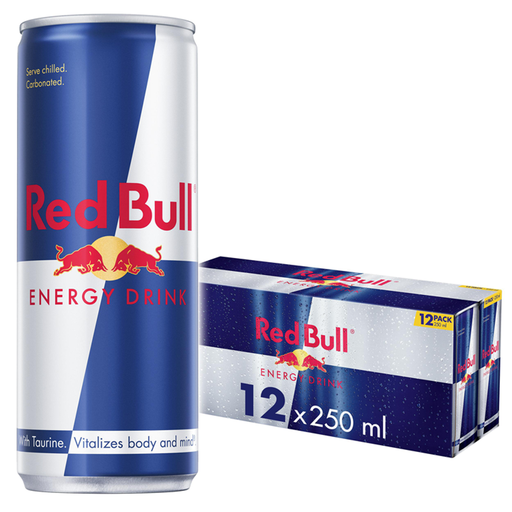
Red Bull Energy Drink 250 ml, 12-pack
A sweetened, carbonated 250 ml option if you want a smaller can with lunch. The product description lists 80 mg caffeine and 28 g sugars per can; the pack contains 12 cans.
View on Joybuy
 No image available
Red Bull Sugarfree Energy Drink 250 ml, 4-pack
A smaller sugar-free, carbonated can if you want to avoid sugar without overlooking caffeine. Red Bull states 80 mg caffeine per 250 ml Sugarfree can; this listing is for four cans and identifies sweeteners.
View on Joybuy
 No image available
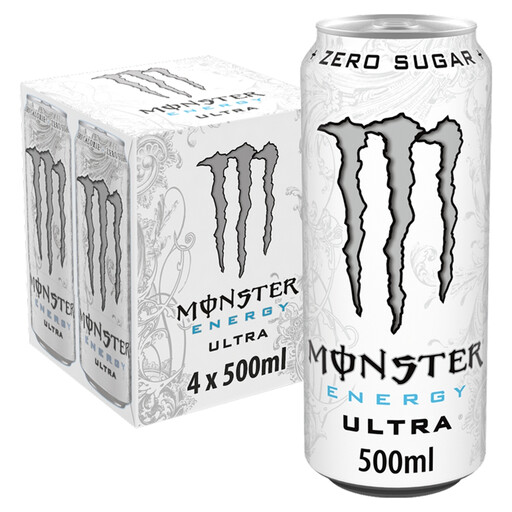
Monster Energy Ultra Zero Sugar 500 ml, 4-pack
A larger zero-sugar, carbonated option if you prefer a citrus flavour. The listing gives caffeine as approximately 32 mg per 100 ml; check the whole-can amount when comparing its 500 ml cans with smaller drinks.
View on Joybuy
 No image available
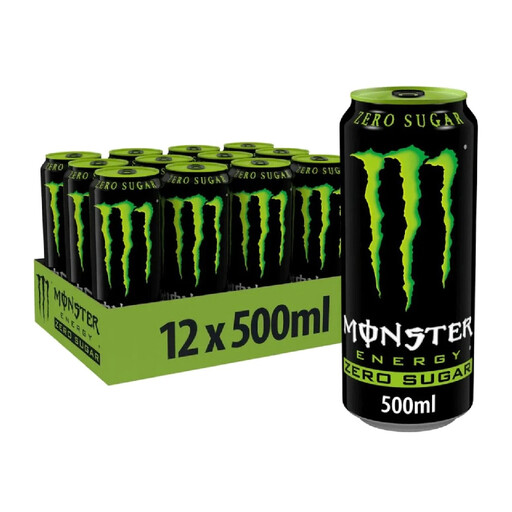
Monster Energy Green Zero Sugar, 12 cans
A carbonated, zero-sugar Green Monster option if you want the larger can and a 12-can pack. The listing states 160 mg caffeine per 500 ml can; check whether that can size and pack quantity suit your lunch plans.
View on Joybuy
Questions about choosing a can
How should I compare caffeine in 250 ml and 500 ml cans?
Compare the amount in the whole can. Red Bull states 80 mg per 250 ml Sugarfree can, while Monster states 160 mg per 500 ml Zero Sugar can. If a label gives caffeine per 100 ml, use the can volume to work out what you would consume from the full can, and consider other caffeine you have had that day.
Does sugar-free mean an energy drink has less caffeine?
No: sugar and caffeine are separate things to check. Monster lists 0 g sugar but 160 mg caffeine in its 500 ml Zero Sugar can. Read both figures on the exact drink you are considering.
Is a ban on sales of energy drinks to under-16s already in force across the UK?
Do not assume one rule applies across the UK. In July 2026, the UK Government set out a planned England-only ban from April 2027, subject to Parliamentary approval, on sales to under-16s of drinks other than tea or coffee containing more than 150 mg caffeine per litre. The stated scope includes shops, vending machines and online sales; check the applicable local rules and retailer policy when buying.
Why check the can label again before buying?
The current label is the practical place to check the ingredients, nutrition figures, caffeine amount and warnings for the exact variant and size you are buying. Product information can change, so use it rather than relying only on an older listing.


