
24/7 Customer Support

Free returns

Same-day & Next-day Delivery

Quality Guaranteed

Unlock Your Welcome Offers: FREE Delivery | Up to 80% OFF | Free 30-day JoyPlus trial
Download the APP
Sparkling fruit drinks can suit a quick refreshment, family gathering, packed lunch or weekend celebration. However, attractive packaging and phrases such as “natural”, “light” or “premium” do not always tell you what is inside. A drink may contain more sugar than expected, rely heavily on flavourings or arrive in a pack size that does not suit your household.
This guide explains the practical details to check before buying fruit-flavoured sparkling drinks, fizzy fruit drinks and other sparkling soft drinks online.
A pineapple, peach or strawberry image on the label does not necessarily mean the drink contains a large amount of fruit juice. Check the ingredient list for terms such as fruit juice concentrate, purée or natural flavouring, and look for a percentage where one is provided.
For example, Huayang Pineapple-Flavoured Sparkling Mixed Juice Drink lists concentrated pineapple, apple and pear juices, while other fruit soda products may mainly use flavourings. Neither approach is automatically unsuitable, but they offer different taste profiles and should be compared on the label rather than the front-of-pack design.
A drink with fewer calories may still contain sugar. Huayang pineapple and white peach sparkling drinks provide 16 kcal per 100ml, with around 3.2–3.3g of sugar per 100ml. By contrast, Genki Forest White Peach Sparkling Water lists 0 kcal and 0g sugar per 100ml, using sweeteners instead.
If sugar intake is your main consideration, check both energy and sugars per 100ml. A large bottle or multipack can make a substantial difference to the total consumed.
Some fruit-flavoured sparkling drinks are energy drinks rather than ordinary soft drinks. CELSIUS Raspberry Peach contains 56mg of caffeine per 100ml, or 200mg per 355ml can. CELSIUS Kiwi Guava lists 32mg per 100ml, or 113.6mg per can. These products are not suitable for children, and their labels advise caution for pregnant or breastfeeding women and people sensitive to caffeine.
Also check for sweeteners such as sucralose, steviol glycosides or acesulfame K, as well as colourants. Huayang’s white peach and cherry blossom drink states that E129 may have an adverse effect on activity and attention in children. Always read the current packaging before serving drinks to children.
The per 100ml panel allows a fair comparison between cans, bottles and pouches. Then check the per-serving figure, because serving sizes vary considerably.
For reference:
These figures make it easier to select low-calorie sparkling drinks for regular use while reserving sweeter options for occasional serving.
Look beyond the flavour description. Check whether the product contains:
For example, De Vina Sparkling Pineapple Coconut contains coconut, while Caffe Bene Peach Ice Tea contains peach and may contain traces of several other ingredients due to shared facilities. Remedy Kombucha Raspberry Lemonade is described as raw, vegan and unpasteurised, but it also contains tea-derived caffeine at less than 10mg per 100ml. Match the ingredient list to your household’s dietary needs rather than relying on general product descriptions.
Choose the format around how quickly the drinks will be consumed. A sparkling drinks multipack is useful for parties, offices or regular household consumption, but glass bottles need more storage space and careful handling. Huayang’s pineapple and white peach drinks come as 20 x 358ml glass bottles, while Freez Mix Strawberry is supplied as a 24-pack of 275ml bottles.
For occasional use, smaller cans or bottles can reduce opened leftovers. Most products should be stored in a cool, dry place away from direct sunlight. Once opened, refrigerate where instructed and consume promptly to preserve carbonation and flavour.
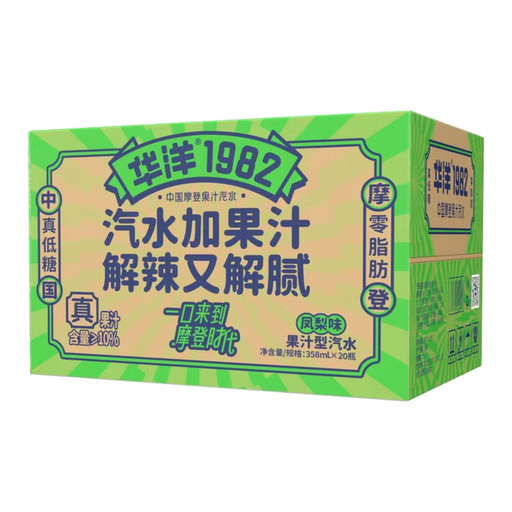
Why This Fits Their Persona: A large 20-bottle format suits households wanting fruit soda available for meals, guests and everyday chilled serving.
The nutrition panel clearly states 16 kcal and 3.2g sugars per 100ml, so “light” can be judged against the actual figures.
Contains concentrated pineapple, apple and pear juices; 20 x 358ml glass bottles provide a substantial household supply.
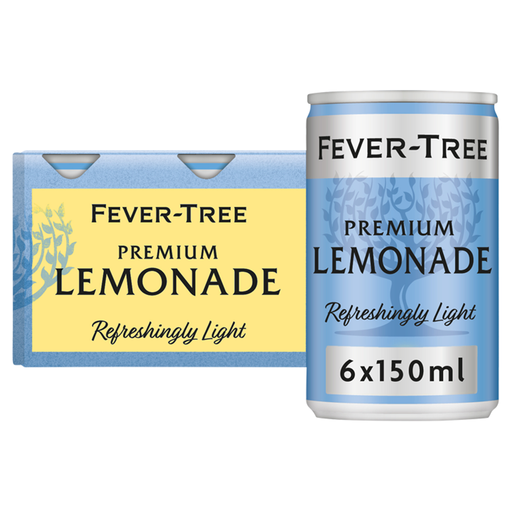
Why This Fits Their Persona: The smaller glass bottles work well for dinner tables, mocktails and measured mixer portions at UK gatherings.
The product information specifies 18 kcal and 4.5g sugars per 100ml, plus no artificial flavours or sweeteners.
Zesty lemon and lime flavour; 6 x 150ml format is suited to controlled serving and drink mixing.
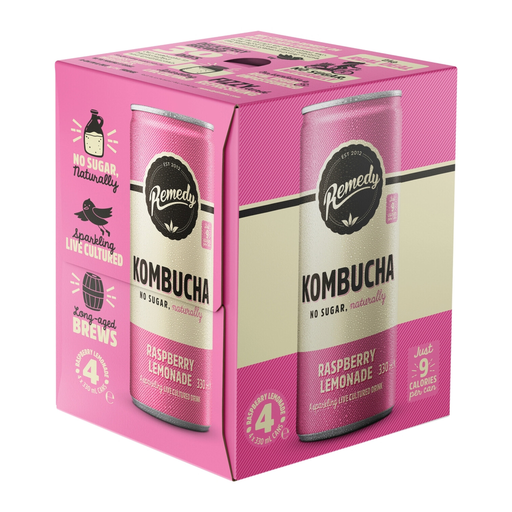
Why This Fits Their Persona: A four-can pack gives regular kombucha drinkers a tangy alternative to conventional fizzy fruit drinks.
Its label states 0g sugar and 3 kcal per 100ml, while also identifying the raw, unpasteurised formulation and tea-derived caffeine.
Raspberry and lemon flavour; vegan product information and convenient 4 x 330ml can format.

Why This Fits Their Persona: A white peach profile and 480ml bottle suit shoppers seeking Asian sparkling drinks for chilled everyday refreshment.
The supplied nutrition information states 0 kcal and 0g sugar per 100ml, making its zero-sugar positioning easy to verify.
White peach flavour; contains no listed allergens and can also be used in mocktails.
We have compiled a complete, real-time list of products that fully satisfy these strict selection criteria and UK safety regulations.
Some are, but the label must be checked first. Avoid caffeine-containing energy drinks for children. Also review colourant warnings, sweetener information and sugar content. Products with small bottles or cans may be easier to portion, but serving size remains important.
Follow the individual label. In general, reseal opened drinks, refrigerate them where instructed and consume them promptly. This helps retain carbonation and limits flavour deterioration. Do not freeze pressurised cans or glass bottles.
Not necessarily in every product category, but many sugar-free sparkling waters have very low or zero energy values. Dash Grapefruit Sparkling Water lists 2 kcal per 100ml, while Genki Forest White Peach lists 0 kcal per 100ml. Always compare the nutrition panel, as “sugar-free” does not describe caffeine, acidity or the type of sweetener used.