Movie-night hosts
If several people are watching, compare the number and size of cans with a bottle you intend to share. Check each drink’s description so guests expecting a smoothie are not served a thin sparkling drink instead.


For movie-night fizz, choose a sparkling fruit drink rather than expecting a conventional blended smoothie to be carbonated. A 100% sparkling juice puts juice content first; a pressed-juice drink or fruit-flavoured sparkling option offers a different balance of fruit ingredients and sweetness. Check the product description, sugars per 100ml and pack size before choosing.
The useful distinction is between wanting a smoothie’s blended texture and wanting a chilled drink with fizz.
If several people are watching, compare the number and size of cans with a bottle you intend to share. Check each drink’s description so guests expecting a smoothie are not served a thin sparkling drink instead.
If the fruit ingredients matter more than the flavour name, distinguish 100% juice from a juice drink diluted with sparkling water and from sparkling water with fruit flavouring.
If sweetness affects your choice, compare the nutrition panels as well as the ingredient lists. A no-added-sugar description does not mean that a fruit drink contains no sugars.
Start with the type of drink, then compare fruit ingredients and nutrition on a consistent basis. Finally, choose a pack that fits the number of people you are serving.
| Priority | What to check | Your needs |
|---|---|---|
| Drink type | Read the product description: sparkling juice, juice drink, sparkling water and fruit-flavoured soft drink describe different formulations. Check the ingredients if you want blended fruit or purée. | I want fizz, but I do not want to mistake a thin drink for a conventional smoothie. |
| Fruit ingredients | Compare the stated juice percentage and type. Sainsbury’s lists its 150ml Appletiser as 100% carbonated apple juice from concentrate; Waitrose lists Cawston Press Sparkling Cloudy Apple as 49% pressed apple juice. | Fruit content matters more to me than a fruit picture or flavour name on the front of the pack. |
| Sugars | Compare sugars per 100ml where that measure is given. Sainsbury’s lists 10.5g per 100ml for the Appletiser juice, while Waitrose lists 4.3g per 100ml for the Cawston Press juice drink. Check the amount you intend to pour or drink as well. | I want to compare sweetness using the nutrition panel, rather than assuming that juice or a no-added-sugar drink is sugar-free. |
| Serving size | Check the volume of each can or bottle and whether a multipack will be shared. The NHS advises limiting qualifying fruit juice and smoothies to a combined 150ml a day for 5 A Day purposes; that guidance does not make every fruit-flavoured fizzy drink a qualifying juice. | A small can makes the amount I plan to serve clear; for guests, I may prefer several cans or a bottle to share. |
| Drinking occasion | Consider when the drink will be served, not just its sugar label. St George’s University Hospitals NHS Foundation Trust identifies juice and fizzy drinks as examples of acidic drinks associated with tooth erosion and advises keeping sugary and acidic drinks to mealtimes. | If I am likely to sip throughout a long film, I want to take the drink’s acidity into account too. |
A sparkling apple juice, a juice drink and a fruit-flavoured soft drink will not necessarily have the texture you expect from a conventional smoothie.
Read the product description and ingredient list. Look for the stated juice percentage and any mention of sparkling water, fruit purée or flavouring.
Fruit-derived sugars can remain in a drink with no added sugar. Waitrose lists 4.3g sugars per 100ml for Cawston Press Sparkling Cloudy Apple.
Use the nutrition panel to compare sugars on the same stated basis, then check the volume you expect to drink.
A multipack can work for guests, but the size of each can still matters. The NHS 150ml daily guidance concerns the combined amount of qualifying juice and smoothies for 5 A Day purposes, not the number of containers in a pack.
Check the volume per container and decide how much you intend to serve before choosing between single cans, multipacks and bottles.
St George’s University Hospitals NHS Foundation Trust identifies both juice and fizzy drinks as acidic-drink examples linked to tooth erosion; added sugar is not the only consideration.
Follow its advice to keep sugary and acidic drinks to mealtimes rather than sipping them repeatedly between meals.
These examples illustrate different drink descriptions and formulations; a brand’s inclusion does not mean every product in its range is a sparkling smoothie.
A sparkling apple-juice example for shoppers prioritising stated juice content.
Sparkling Cloudy Apple is a pressed-apple juice drink rather than a 100% juice.
Its Juicy Pineapple and Passion Fruit Sparkling Spring Water offers a tropical-flavoured sparkling-drink example.
A sparkling mixed-fruit-flavour soft drink for shoppers seeking a fruit-punch-style soda.
A reference for conventional fruit-and-veg smoothies, rather than a reason to assume a smoothie is fizzy.
These products cover sparkling apple juice, fruit-flavoured soft drinks, a peach juice drink and apple-flavoured sparkling water for a movie-night drink. Choose by the drink named on each listing rather than treating them all as smoothies.
 No image available
The six-can pack offers a sparkling apple-juice option to share. Joybuy describes this product as 100% carbonated apple juice from concentrate and lists 10.5g sugars per 100ml. Each 250ml can is larger than the NHS’s 150ml daily amount for qualifying juice and smoothies for 5 A Day purposes; this is juice, not a blended smoothie.
 No image available
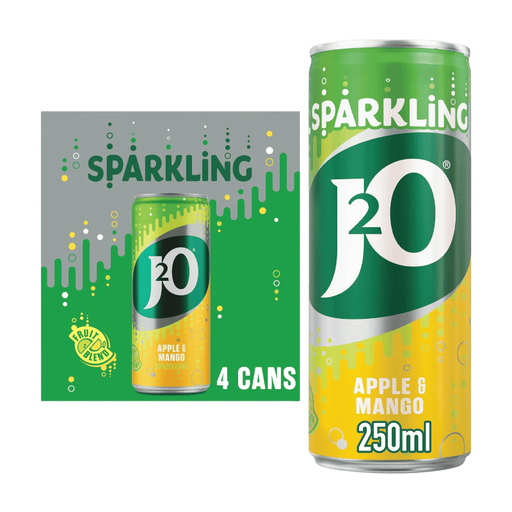
A four-can sparkling apple-and-mango option if you want individual drinks for a small group. Each can is 250ml. Check the listing’s ingredients and nutrition panel if juice content or sugars will determine your choice; it is not a blended smoothie.
 No image available
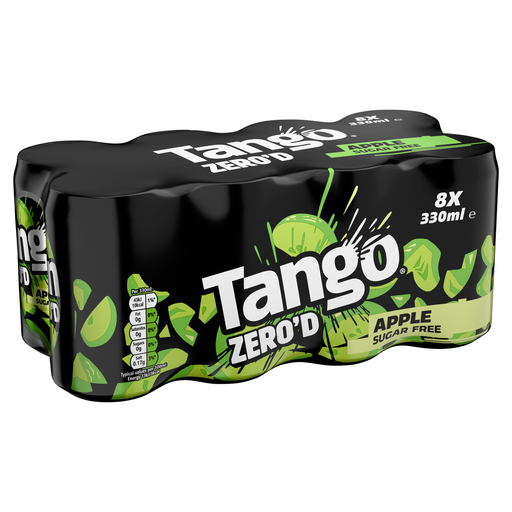
An eight-can apple-flavoured fizzy option for a group, with 330ml in each can. “Sugar Free” is part of the product name; check the current nutrition panel and ingredients if that distinction matters to you. This is not a fruit smoothie.
 No image available
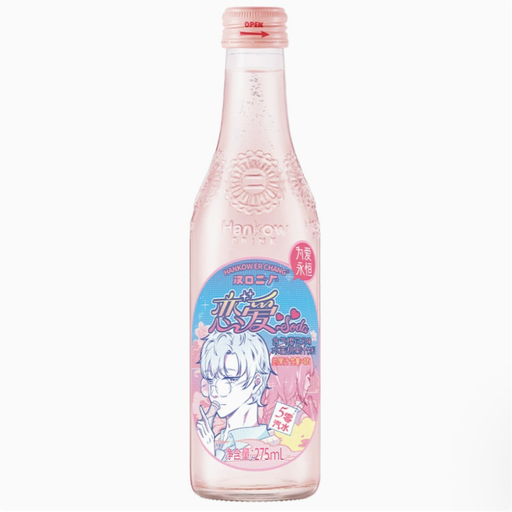
This 275ml sparkling peach juice drink offers a single-container alternative to a multipack. Check its ingredient list if the amount and type of fruit juice matter to you; a juice drink is not the same as a blended smoothie.
 No image available
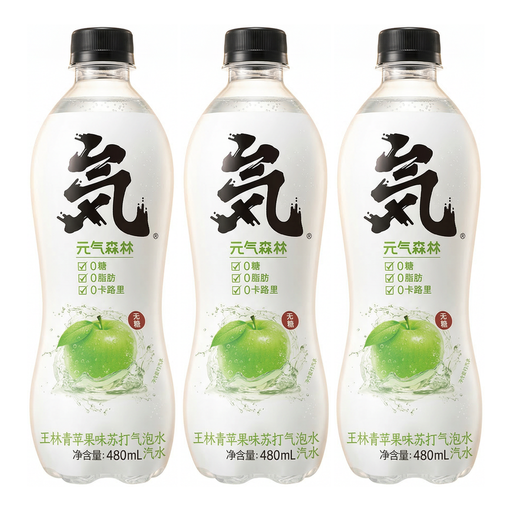
Choose this three-bottle format if apple-flavoured sparkling water, rather than sparkling juice, is the drink you want to serve. Each bottle is 480ml. Check the ingredients before treating a fruit flavour as evidence of fruit juice.
No—not on the basis of a fruit name alone. The products discussed here are described as sparkling juice, juice drinks, sparkling water or soft drinks. innocent describes its smoothies as crushed fruit and veg, while distinguishing its lightly sparkling fruit juices from its smoothies; check the description of the particular drink you are buying.
No. Waitrose lists 4.3g sugars per 100ml for Cawston Press Sparkling Cloudy Apple, a drink described in the supplied product information as having no added sugar. Read the sugars entry on the nutrition panel as well as any front-of-pack wording.
Check the instructions on the specific pack and chill the drink if its label recommends serving it chilled. Cawston Press recommends enjoying its cans chilled, while the M&S Food sparkling can carries a warning to open the pressurised container with care.
No. The NHS says qualifying unsweetened fruit juice, vegetable juice and smoothies count as a maximum 150ml portion once a day and advises limiting their combined amount to 150ml daily. Do not assume that every fruit-flavoured fizzy drink qualifies as juice.
Yes. St George’s University Hospitals NHS Foundation Trust identifies juice and fizzy drinks as examples of acidic drinks that can cause tooth erosion. Its guidance advises keeping sugary and acidic drinks to mealtimes rather than sipping them repeatedly between meals.