Parents planning a shared holiday lunch
A larger bottle may suit a group, but the portion served and the instructions for storing it after opening deserve a look alongside its sugars.


Choose a no-added-sugar or zero-sugar sparkling lemonade if reducing the drink’s listed sugar is the priority, but check its sweeteners and any ingredient warnings. If you prefer a standard or cloudy lemonade, compare its sugars on the stated label basis and for the portion you intend to serve; bottle size and instructions after opening also matter for a shared lunch.
A larger bottle may suit a group, but the portion served and the instructions for storing it after opening deserve a look alongside its sugars.
Diet and zero-sugar varieties offer different ingredient lists. Check the exact label if sweeteners or a phenylalanine warning matter to your household.
Traditional lemonade, cloudy lemonade and lemon-and-lime soft drinks are different choices. Lemon ingredients and sugars help distinguish them before you settle on a serving size.
Start with the style of drink you want, then compare the exact variant’s label and a pack size that fits the lunch.
| Priority | What to check | Your needs |
|---|---|---|
| Sugars and portion | Compare sugars per 100ml where labels use that basis, then check the intended serving. Tesco Groceries lists less than 0.1g sugars per 100ml for Tesco Sparkling Diet Lemonade; Sainsbury's lists 2.4g per 100ml and 6g per 250ml for R.White's Lemonade. | I want to know how much sugar the drink adds to the lunch, rather than judging a whole bottle by the word “diet” or “standard”. |
| Ingredients and warnings | Read the sweeteners and warnings on the exact variant. Tesco Groceries lists acesulfame K and sucralose in Tesco Sparkling Diet Lemonade; its listing for R.White's Diet Lemonade carries a source-of-phenylalanine warning. | If an ingredient or warning matters in our household, I need to check the current pack before serving it. |
| Lemon style | Check whether the drink is traditional lemonade, cloudy lemonade or lemon-and-lime flavoured. Marks & Spencer lists 4% Sicilian lemon juice and 4% Sicilian lemon purée in its Sparkling Cloudy Lemonade; its sugars are stated as 3.4g per 100g, not per 100ml. | I would choose a lemon-led style for its ingredients, but still want to read its sugar declaration rather than assume that “cloudy” means less sugar. |
| Pack and storage | Match the bottle or can format to the number of people. Follow the specific opening and storage directions: Tesco Groceries says to consume its Sparkling Diet Lemonade within three days of opening, while Marks & Spencer says to refrigerate its Diet Lemonade and consume it within three days. | For a lunch shared over more than one day, I want a format we can handle and store as the pack directs. |
Lower listed sugar does not identify the sweeteners used. Tesco Groceries lists acesulfame K and sucralose in Tesco Sparkling Diet Lemonade, while Marks & Spencer lists sucralose in its Diet Lemonade.
Compare sugars on the same stated basis, then read the ingredients and warnings for the exact drink.
Marks & Spencer lists lemon juice and purée in its Sparkling Cloudy Lemonade, whereas Coca-Cola Great Britain describes Sprite as lemon-and-lime flavoured. The names point to different styles, not interchangeable ingredient lists.
Choose the style you want first, then compare the labels of products within that choice.
Opening and storage directions differ by product. Marks & Spencer instructs shoppers not to shake its Diet Lemonade and to open it with care; both it and Tesco Sparkling Diet Lemonade have directions for use after opening.
Read the pack before opening it and choose a size you can use within its stated storage period.
A bottle left beyond its stated period after opening may have to be discarded.
These examples show why the product variant matters more than the brand name alone.
Tesco Sparkling Diet Lemonade is a 2L own-label, no-added-sugar option.
The standard and diet 2L lemonades have different sugar declarations.
Its cloudy and diet lemonades serve different flavour and sugar preferences.
Sprite is a lemon-and-lime soft drink to consider if that style appeals more than lemon-led lemonade.
Its R.White's Lemonade listing provides a standard 2L product reference.
These options include pink lemonade and sparkling lemon-and-lime drinks in sharing packs or individual cans. Check the exact label when choosing between a zero-sugar variant and a sugared style for lunch.
 No image available
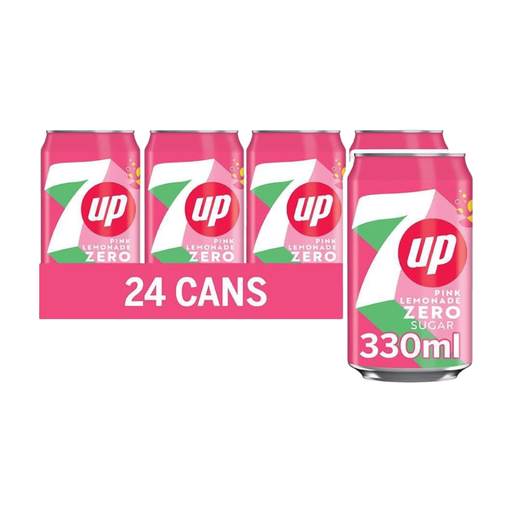
The 24 × 330ml format is an option for a shared lunch. Check the current Lemonade Zero label for its sugars, sweeteners and any ingredient warnings before serving.
 No image available
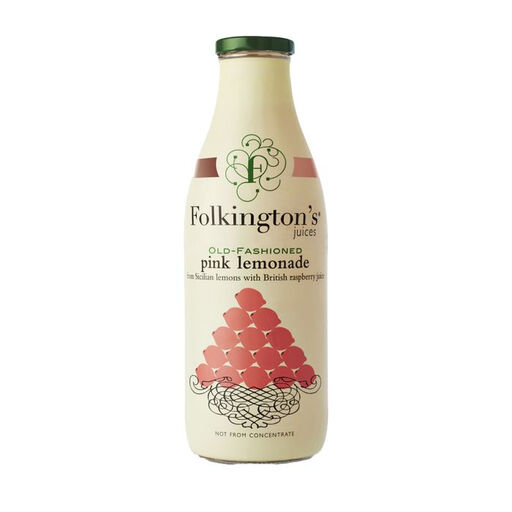
For a pink lemonade in a 1000ml format, compare the label’s sugars per 100ml with the portion you plan to serve. Follow the pack’s directions after opening.
 No image available
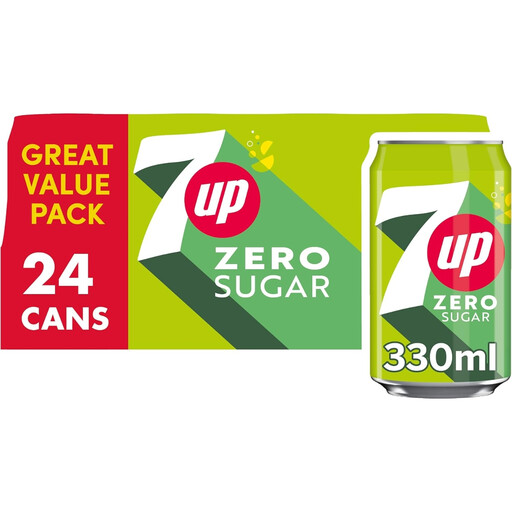
This 24 × 330ml pack is a lemon-and-lime soft-drink option rather than a lemon-led lemonade. If sweeteners or phenylalanine information matters, check the exact variant’s label.
 No image available
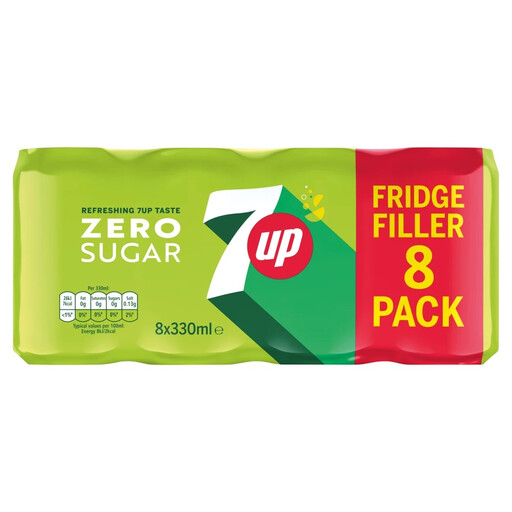
The 8 × 330ml pack offers a smaller quantity than the listed 24-pack. It is a lemon-and-lime drink, not a conventional lemon-led lemonade; check the current ingredient warnings.
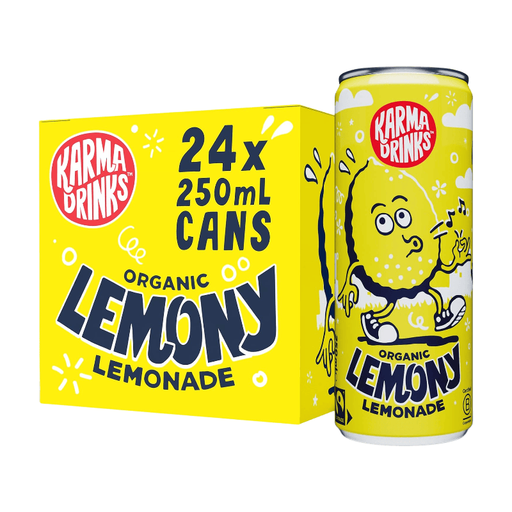 No image available
Individual 250ml cans offer another way to serve a group. Compare the drink’s sugars per 100ml with the intended portion and follow the can’s handling instructions.
It is a way to reduce the drink’s listed sugar, but it does not remove the need to check ingredients. Tesco Sparkling Diet Lemonade and M&S Diet Lemonade both list very low sugars and contain sweeteners; read the exact pack for your household’s requirements.
Start with the same stated measurement basis, then consider the portion you will pour. Sainsbury's lists 2.4g sugars per 100ml and 6g per 250ml for R.White's Lemonade, while Tesco Groceries lists less than 0.1g per 100ml and per 250ml for Tesco Sparkling Diet Lemonade. Marks & Spencer states its cloudy lemonade figure per 100g, so do not treat that number as a per-100ml value.
No. The Department for Education’s school food standards guide applies to school food in England, not a lunch served at home. For a camp or organised activity, check the organiser’s own food and drink policy.
Follow its particular pack. Tesco Groceries says to keep Tesco Sparkling Diet Lemonade cool and out of sunlight and consume it within three days of opening; Marks & Spencer says to refrigerate its Diet Lemonade and consume it within three days. Handle and open pressurised bottles as directed.
Check the lemonade’s own storage instructions separately. For perishable lunch foods such as dairy or meat, Safefood advises keeping them as cold as possible until eaten and using an insulated box or bag.