For a ride under about 90 minutes when you are already fuelled, water is the default drink; choose sparkling lemonade for its flavour rather than as necessary ride fuel. For rides over 90 minutes, British Cycling advises 30–60 g of carbohydrate per hour: regular lemonade can contribute towards that amount, but its labelled carbohydrate must be counted alongside a separate fluids and electrolyte plan. Diet lemonade contributes little carbohydrate, while carbonation, acidity and your tolerance of the drink remain considerations.
Who is sparkling lemonade for?
The useful distinction is whether you want a flavoured drink or intend to count its carbohydrate towards a longer ride.
Short-ride cyclists who want something fizzy
If you are already fuelled and riding for under about 90 minutes, lemonade can be an optional flavour choice. A diet or no-added-sugar version contributes little carbohydrate; keep water in mind for hydration.
Longer-ride cyclists planning carbohydrate intake
For rides over 90 minutes, British Cycling advises 30–60 g of carbohydrate per hour. Check the amount in the serving you will actually drink, then account for it alongside other food and drinks rather than treating lemonade as a complete fuelling plan.
Cyclists checking sugar and ingredients
Compare regular and diet labels if sugar content affects your choice. Check the current can or bottle for sweeteners and allergens, particularly when an ingredient restriction matters to you.
What should you check before choosing?
Start with your ride length and the drink’s intended role, then compare the serving you would carry or pour—not just the figures per 100 ml.
| Priority | What to check | Your needs |
|---|
| Carbohydrate |
Read carbohydrate per 100 ml and per serving. For rides over 90 minutes, compare the amount you expect to drink with British Cycling’s 30–60 g-per-hour guidance. |
On a longer ride, I want to know how much of my planned carbohydrate intake the lemonade would actually provide. |
| Fluids and electrolytes |
Plan fluids separately from carbohydrate. British Cycling’s sportive guidance describes using water alongside an electrolyte drink; a lemonade label alone does not establish an equivalent plan. |
For a prolonged ride, I need to decide what I will drink as well as what I will use for fuel. |
| Sugar and acidity |
Compare regular and diet nutrition labels. The NHS associates carbonated drinks with dental erosion due to acidity, so a lower-sugar choice does not remove that consideration. |
If I mainly want lemon flavour, I may prefer little sugar without assuming a fizzy drink is tooth-friendly. |
| Ingredients |
Read the current pack’s ingredients, sweetener information and allergen declarations. Check the exact variant rather than relying on another flavour or pack size. |
I need the drink I buy to fit my ingredient restrictions, not just the description of a similar product. |
| Serving and tolerance |
Check the can or bottle size against the volume you intend to take. Try the drink and your planned serving during training; British Cycling notes that tolerance varies between riders. |
I want to know whether the portion and carbonation work for me before using them on a longer event. |
Common buying mistakes
-
Choosing diet lemonade as carbohydrate fuel
Tesco Groceries lists under 0.1 g carbohydrate per 100 ml for its Sparkling Diet Lemonade. That makes it a flavour choice, not a meaningful contribution towards British Cycling’s 30–60 g-per-hour guidance for rides over 90 minutes.
Decide whether the drink is for flavour or fuel. If you need carbohydrate, count the labelled amount in the serving you plan to drink and arrange other sources as needed.
-
Assuming one regular can covers an hour’s fuelling
ASDA Groceries lists 15 g carbohydrate in a 330 ml Sprite can—below the lower end of British Cycling’s hourly guidance for rides over 90 minutes.
Calculate the contribution from your chosen product and realistic drinking volume. Do not substitute a can for the rest of a longer-ride plan.
-
Treating sugar-free as free from acidity concerns
The NHS associates carbonated drinks with dental erosion because of their acid content. Choosing a drink with less sugar does not remove that consideration.
Choose water when you do not specifically want lemonade, and consider how often you sip fizzy drinks.
-
Using a web listing instead of the current pack label
The exact ingredients matter when you are avoiding a sweetener or allergen; a different variant may not have the same declaration.
Read the can or bottle you buy, particularly if you have an allergy or another ingredient restriction.
Lemonade brand references
These label examples help distinguish regular from diet drinks; they do not imply that every product from a brand has the same recipe.
R. Whites
Regular sparkling lemonade sold in 330 ml cans.
- Tesco Groceries lists 2.4 g carbohydrate per 100 ml for its R.White's lemonade cans.
- The cited label declares a source of phenylalanine; check the current pack if that ingredient matters to you.
Sprite
A sparkling lemon-and-lime option in 330 ml cans.
- ASDA Groceries lists 4.4 g carbohydrate per 100 ml and 15 g per 330 ml can for its cited Sprite multipack.
- One cited can supplies less carbohydrate than the lower end of British Cycling’s hourly guidance for rides over 90 minutes.
Tesco
Own-label regular and diet sparkling lemonades offer different carbohydrate amounts.
- Tesco Groceries lists 3.8 g carbohydrate per 100 ml for its regular Lemonade.
- Its Sparkling Diet Lemonade is listed at under 0.1 g carbohydrate per 100 ml, so it is not a carbohydrate-fuelling substitute.
Sainsbury's
Own-label regular lemonade and a no-added-sugar cloudy variant.
- Sainsbury's lists 3.5 g carbohydrate per 100 ml for its regular Lemonade.
- The cited Cloudy Lemonade No Added Sugar label lists 0.6 g sugars per 250 ml and declares sulphites in its lemon ingredient; check the current pack if sulphites matter to you.
Asda
Own-label regular lemonade in a 2 L bottle, a different serving format from a can.
- ASDA Groceries lists 2.1 g carbohydrate per 100 ml for its Classic Lemonade.
- Measure the portion you intend to pour before counting it towards a ride’s carbohydrate intake.
M&S
Regular and diet lemonades with nutrition figures stated by weight on the cited pages.
- Marks & Spencer lists 4.6 g carbohydrate and 4.4 g sugars per 100 g for its regular Lemonade.
- Its Diet Lemonade is listed at 0.1 g carbohydrate per 100 g; keep its per-100 g basis distinct from other drinks’ per-100 ml figures.
Joybuy sparkling lemon drink options
These canned sparkling lemon drinks cover a zero variant and regular lemonade or lemon-flavoured options. Use the current nutrition and ingredient label to decide whether a particular can is for flavour or contributes carbohydrate to your ride plan.
 No image available
7 Up Lemonade Zero 24 × 330 ml
A zero variant to consider when you want a fizzy lemon drink rather than a carbohydrate source. The pack contains 24 × 330 ml cans; check the current nutrition and ingredients label for your intended use.
View on Joybuy
 No image available
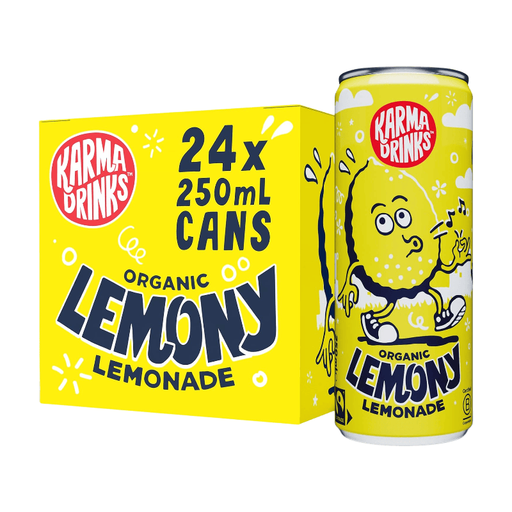
Karma Lemony 24 × 250 ml
The 250 ml can gives you a defined portion when planning what to take on a ride. Check its labelled carbohydrate per can before counting it towards longer-ride fuelling; the pack contains 24 cans.
View on Joybuy
 No image available
Fanta Lemon 24 × 330 ml
This lemon-flavoured option comes in a pack of 24 × 330 ml cans. If you intend to use it during a longer ride, check the current carbohydrate figure per can and plan fluids separately.
View on Joybuy
 No image available
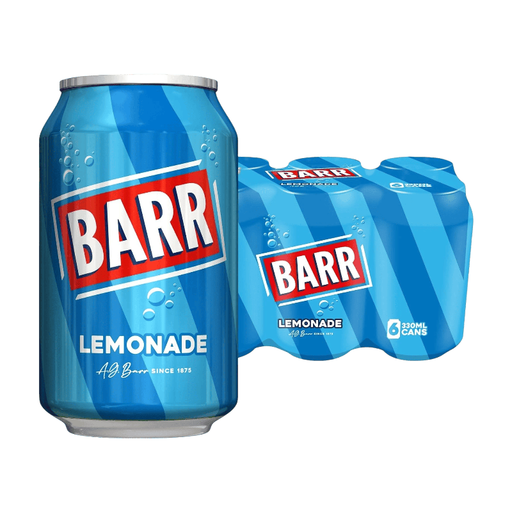
Barr Lemonade 6 × 330 ml
A regular lemonade in a six-can pack, with 330 ml in each can. For longer rides, use the pack’s carbohydrate figure to work out what one can contributes rather than assuming it covers an hour’s fuel.
View on Joybuy
 No image available
Sprite 8 × 330 ml
This lemon-and-lime option comes in eight 330 ml cans. Check the current pack’s carbohydrate and ingredients when deciding whether to count a can towards fuelling or choose it simply for its flavour.
View on Joybuy
Questions about lemonade and cycling
Can sparkling lemonade replace a sports drink on a long ride?
Do not treat lemonade as a complete replacement without planning its role. For rides over 90 minutes, British Cycling advises 30–60 g carbohydrate per hour, while its sportive guidance describes water alongside an electrolyte drink. Count any carbohydrate in your lemonade and plan fluids and electrolytes separately.
When does diet lemonade make sense for a cyclist?
Choose it for a fizzy lemon flavour when you are not relying on the drink for carbohydrate. Tesco Groceries lists under 0.1 g carbohydrate per 100 ml for Sparkling Diet Lemonade, so it would not meaningfully contribute towards British Cycling’s hourly carbohydrate guidance for rides over 90 minutes.
Does sugar-free lemonade avoid the acidity concern?
No. The NHS associates carbonated drinks with dental erosion because of their acid content. A lower-sugar label addresses sugar content, not that separate consideration.
What should I check if an ingredient restriction matters?
Read the ingredients and allergen declarations on the current pack of the exact drink you intend to buy. GOV.UK states that any of the 14 regulated allergens present in prepacked food or drink must be clearly labelled; checking the pack is particularly important when a retailer listing describes a different variant.
Should I try lemonade for the first time during an event?
Try the drink, portion and timing during training instead. British Cycling notes that what riders tolerate is subjective, so a familiar training ride gives you a chance to assess the carbonation before relying on it at an event.


