Families packing an everyday school lunch
If a fizzy drink is becoming the routine lunchbox choice, consider the sugars in the portion, the acidity of carbonated drinks and the school’s packed-lunch policy.


For an everyday secondary-school packed lunch, choose water or plain milk rather than sparkling lemonade. If a pupil wants a fizzy lemon drink occasionally and the school allows it, compare sugars for the whole can or bottle, check the ingredients and choose a deliberate portion. The NHS links carbonated drinks with dental erosion due to their acid content, so a zero-sugar label does not remove that consideration.
If a fizzy drink is becoming the routine lunchbox choice, consider the sugars in the portion, the acidity of carbonated drinks and the school’s packed-lunch policy.
An individual can makes the intended portion clearer for an occasional lunch. Check its full-pack nutrition label: less sugar does not remove the acidity consideration identified by the NHS.
If sweeteners or a phenylalanine warning matter to the pupil, read the current label for the exact drink and pack size rather than assuming that similar-looking variants use the same ingredients.
Start with whether the school permits fizzy drinks, then compare the portion the pupil would actually take to lunch and its label.
| Priority | What to check | Your needs |
|---|---|---|
| Sugars per portion | Read sugars for the whole can or bottle, not just per 100ml. Tesco Groceries lists 0.8g sugars per 330ml can for its No Added Sugar Cloudy Lemonade; R.White’s lists 2.4g per 100ml for a lemonade formulation. Check the exact variant’s pack. | I want to know how much sugar is in the drink that goes into the lunchbox, rather than judging it by its name. |
| Fizz and acidity | Check whether the drink is carbonated and read its acid ingredients. The NHS associates carbonated drinks with dental erosion due to their acid content, including drinks made with sweeteners. | A zero-sugar drink may suit my sugar comparison, but I do not want to mistake it for a non-acidic everyday option. |
| Ingredients | Read the current sweetener list and any phenylalanine statement on the exact pack; formulations can differ between products and variants. | Where an ingredient restriction matters, I need to check the drink the pupil will actually have, not another flavour or pack. |
| Pack size | Compare the container the pupil would take to school with the stated serving. A 330ml can and a 750ml sharing bottle require different portion decisions. | I would rather choose a defined lunch portion than assume the whole of a sharing bottle is one serving. |
| School policy | Check the individual school’s current packed-lunch rules before buying drinks for school use. England’s Department for Education requirements cited here concern food and drink provided by state-funded schools, not a blanket rule for home-packed lunches. | Even an occasional fizzy drink needs to fit the school’s own packed-lunch expectations. |
It addresses one part of the label comparison, but the NHS still associates carbonated drinks with dental erosion because of their acid content.
Keep sparkling lemonade as an occasional lunch choice and consider water or plain milk for the everyday drink.
The amount consumed depends on the pack or portion, so a figure per 100ml alone does not describe the pupil’s whole drink.
Read the full-can or full-bottle figure where given, or calculate it from the label’s serving size and per-100ml information.
Department for Education school-food requirements in England address food and drink provided by state-funded schools. Southampton City Council notes that lunches brought from home have no set standards, while individual schools can set expectations.
Check the pupil’s school handbook or ask the school before buying a multipack for lunchboxes.
Ingredient lists vary by drink and variant, which matters when a particular ingredient or phenylalanine warning must be checked.
Read the current label on each flavour and pack size before choosing it for the pupil.
These label examples illustrate different portions and sugar declarations; they do not establish which brand is right for every lunchbox.
Tesco Groceries lists a no-added-sugar cloudy lemonade in a 330ml can.
R.White’s documents lemonade formulations with different nutrition and ingredient declarations.
M&S Sparkling Cloudy Lemonade is documented as a 750ml sharing-bottle option.
These are individually portioned fizzy lemon drinks, including lemonade and lemon-and-lime options, to consider if the school permits an occasional can. Check the current pack label for sugars and ingredients before choosing one.
 Image unavailable
The 330ml format gives you a defined can to consider for an occasional lunch; the product is sold as a 24-pack. Check the current can for its sugars, sweeteners and any phenylalanine statement.
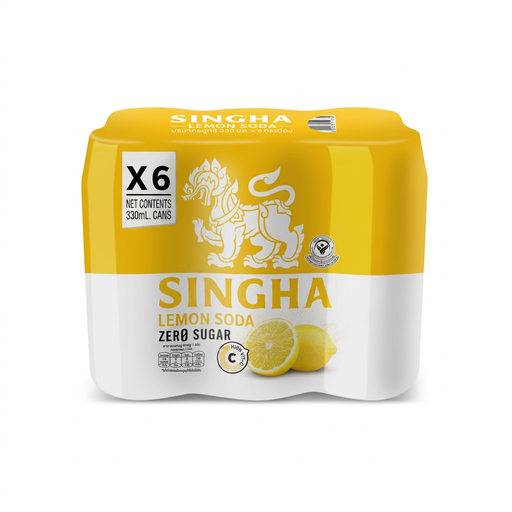 Image unavailable
This is a lemon soda rather than a drink named lemonade, supplied as six 330ml cans. If that flavour and format suit the pupil, compare the current can’s nutrition and ingredients with the other options.
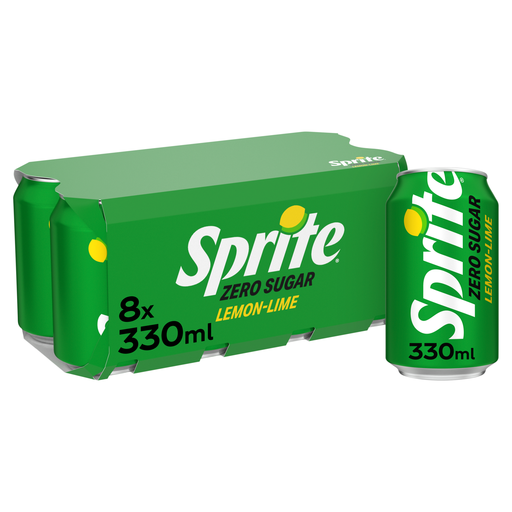 Image unavailable
This lemon-and-lime option comes in an eight-pack of 330ml cans. Check the exact pack’s sugar declaration, sweeteners and any phenylalanine warning before choosing it for a lunchbox.
 Image unavailable
The 24-pack contains 330ml lemon-and-lime drink portions. If buying several at once, check the current can’s ingredients and confirm that the school permits fizzy drinks in packed lunches.
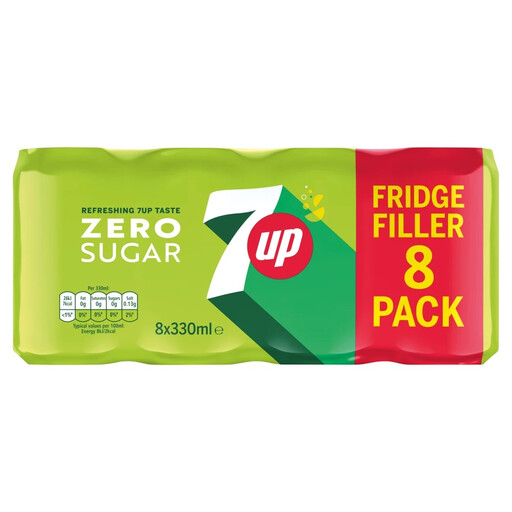 Image unavailable
This variant is an eight-pack of 330ml lemon-and-lime drink portions rather than the 24-pack above. Read the exact pack’s nutrition and ingredient label before deciding whether it fits an occasional school lunch.
The Department for Education’s cited school-food requirements in England concern food and drink provided by state-funded schools. Southampton City Council says there are no set standards for lunches brought from home; check the individual school’s packed-lunch policy for its rules on fizzy drinks.
No. The NHS associates carbonated drinks with dental erosion due to their acid content, including drinks made with sweeteners. A lower sugar figure answers a different label question; for an occasional fizzy drink, consider having it with lunch rather than sipping it throughout the day.
Read the current label of the exact drink for its sweeteners and any phenylalanine statement. Do not assume another flavour, formulation or pack has the same ingredients.
Use the sugars for the amount the pupil would actually drink. Compare the full can or intended bottle portion as well as any per-100ml figure, then check the pack size and current ingredients.