Routine exercisers who like fizzy drinks
If you want a sparkling lemon drink after an ordinary session, compare sugars per 100ml, sweeteners and pack sizes. The NHS recommends water for replacing fluids lost through activity.


For ordinary post-workout thirst, the NHS recommends water to replace fluids lost through activity; a diet or no-added-sugar sparkling lemonade can be an additional choice if you want lemon flavour and fizz. If you need quick recovery before another demanding session, the British Dietetic Association advises starting carbohydrate-rich food and fluids promptly, so do not rely on a regular lemonade simply because it contains sugar.
If you want a sparkling lemon drink after an ordinary session, compare sugars per 100ml, sweeteners and pack sizes. The NHS recommends water for replacing fluids lost through activity.
If quick recovery matters before another demanding session, consider food and fluids as well as what you drink for refreshment. The British Dietetic Association advises starting carbohydrate-rich food and fluids promptly when quick recovery is required.
Regular and diet recipes can differ even within one supermarket range. Check the nutrition panel on the exact bottle or can rather than relying on the word “lemonade”.
Start with what you need after the session, then compare the exact drink’s nutrition, ingredients and format.
| Priority | What to check | Your needs |
|---|---|---|
| Fluids and recovery | The NHS recommends water for replacing fluids lost through activity. When quick recovery is needed, the British Dietetic Association advises starting carbohydrate-rich food and fluids promptly. | After a routine session, I want something to drink and may also fancy lemon fizz. If I am training again soon, I need to think about food and fluids beyond lemonade. |
| Sugars and energy | Compare both figures per 100ml on the exact pack. Sainsbury’s lists 3.5g sugars per 100ml for its regular 1L lemonade and less than 0.5g per 100ml for its diet 2L version; these are different products. | I would choose a diet or no-added-sugar recipe when minimising sugars matters to me, rather than assuming every sparkling lemonade has the same nutrition values. |
| Ingredients | Read the sweetener list and any phenylalanine notice. Sainsbury’s Diet Lemonade lists acesulfame K and sucralose; Tesco’s listing for R. White’s Lemonade carries a phenylalanine notice. | If an ingredient or warning matters for someone I am buying for, I want to check the current pack before choosing a flavour. |
| Pack and storage | Check the serving size, whether the container can be resealed and the instructions for an opened drink. Marks & Spencer says to refrigerate its sampled Sparkling Cloudy Lemonade after opening and consume it within three days. | A single serving suits me when I only want one drink; for a larger bottle, I need to consider when it will be finished after opening. |
Carbonation and lemon flavour do not establish what a drink provides for recovery. The NHS recommends water to replace fluids lost through activity; the British Dietetic Association advises carbohydrate-rich food and fluids when quick recovery is required.
Choose food and fluids according to the session and whether you need to train again soon. Have lemonade for its flavour if you want it, not as a presumed replacement for that plan.
Lower-sugar recipes can contain sweeteners. Sainsbury’s Diet Lemonade, for example, lists acesulfame K and sucralose.
Check the ingredients and warnings on the exact pack, particularly when buying for someone who needs to avoid a particular ingredient.
A small serving and a large bottle can have different total sugar amounts simply because they contain different volumes. An opened large bottle also needs to be stored as its label directs.
Use sugars per 100ml to compare recipes, then choose a pack size and check its opened-container instructions.
A recipe or label can change, making an earlier ingredient or nutrition listing unsuitable for a particular purchase.
Read the current pack for ingredients, allergens, nutrition and storage instructions before buying or serving it.
These examples illustrate different lemonade styles; the figures refer to the specific products named, not every drink from each brand.
A traditional sparkling lemonade option for shoppers who prefer that style to a diet recipe.
A lemon-and-lime sparkling soft drink rather than a single-flavour lemonade.
An own-label no-added-sugar cloudy lemonade in a large bottle.
Its sampled regular and diet lemonades offer two distinct recipes in different bottle sizes.
A diet lemonade option in a 250ml serving size.
A sparkling cloudy lemonade alongside other lemonade varieties in its food range.
These options include no-sugar lemon or lemon-and-lime fizzy drinks and one sweetened lemon drink. They are choices for flavour and pack format, not substitutes for deciding what food and fluids a workout requires.
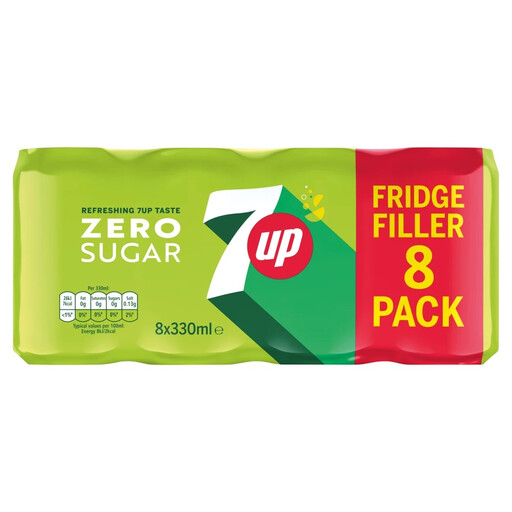 Image unavailable
A lemon-and-lime fizzy option in individual cans for when you want a drink alongside your usual post-workout fluids. Its product description lists 0g sugars and 0.5kcal per 100ml, plus aspartame and acesulfame K; check the current pack for the phenylalanine notice.
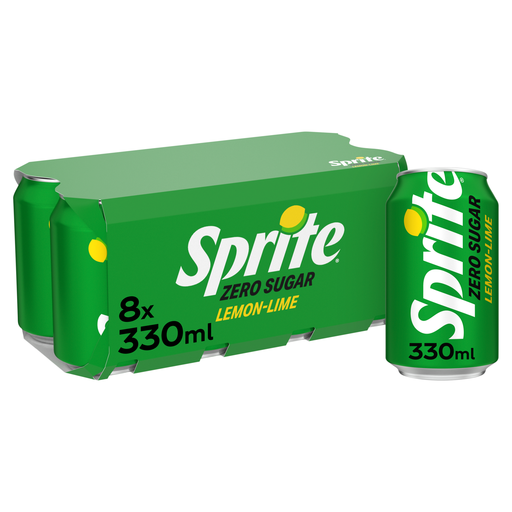 Image unavailable
Choose this lemon-and-lime multipack if you want individual cans rather than a large lemonade bottle. The product description lists 0g sugars and 1kcal per 100ml, and names aspartame, acesulfame-K and sucralose; check the current pack for its phenylalanine notice.
 Image unavailable
A multipack to consider if you want a zero-sugar fizzy lemon drink. The listing states 0g sugars per 100ml, but its title says Lemonade Zero while its description says Pink Lemonade; confirm the flavour and pack details before buying. The description lists aspartame, sucralose and acesulfame K.
Image unavailable
This is a lemon soda rather than a lemonade, so choose it only if that style appeals to you. Its description lists 0g sugars per 100g and names sucralose and acesulfame-K. Check the current pack if you need to compare its energy value with another drink.
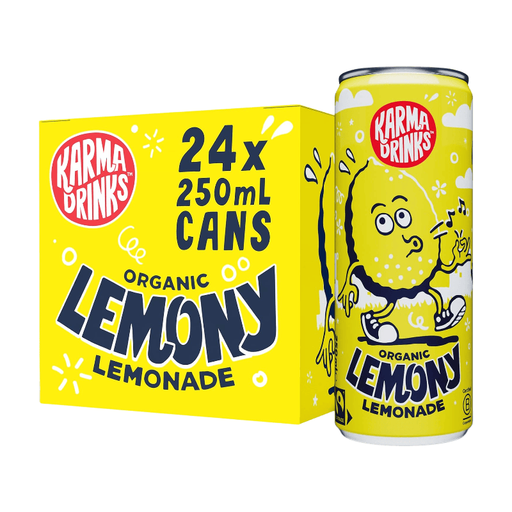 Image unavailable
A sweetened sparkling lemon drink in individual cans for shoppers who prefer that recipe to a no-sugar option. Its description lists organic sugar among the ingredients and 7.9g sugars per 100ml; do not assume that its sugar content makes it a recovery drink.
The NHS recommends water as the way to replace fluids lost through physical activity. If you also want a fizzy lemon drink, choose its recipe for your taste and ingredient preferences rather than assuming it has a specialist recovery role.
Do not assume it can simply because it contains sugar. When quick recovery is needed, the British Dietetic Association advises starting carbohydrate-rich food and fluids promptly; consider the demands of the session and any training that follows.
Compare sugars and energy per 100ml on the exact products. Sainsbury’s lists 3.5g sugars per 100ml for its regular Lemonade 1L and less than 0.5g per 100ml for its Diet Lemonade 2L, so the variant matters as well as the brand.
Yes, if particular ingredients or warnings affect your purchase. For example, Sainsbury’s Diet Lemonade lists acesulfame K and sucralose, while Tesco’s listing for R. White’s Lemonade carries a source-of-phenylalanine notice. Check the current pack for the recipe you are buying.
Follow that bottle’s storage instructions. Marks & Spencer advises refrigerating its sampled Sparkling Cloudy Lemonade after opening and consuming it within three days; another product may have different instructions.