
24/7 Customer Support

Free returns

Same-day & Next-day Delivery

Quality Guaranteed

Unlock Your Welcome Offers: FREE Delivery | Up to 80% OFF | Free 30-day JoyPlus trial
Download the APP
Sparkling mineral water can be a convenient choice for meals, offices, entertaining and everyday refreshment. However, attractive packaging and phrases such as “pure”, “alkaline” or “natural” do not always tell you what you need to know before buying.
The key questions are practical: Does the pack size suit your household? Is the carbonation level right for your taste? Does the drink contain sugar or sweeteners? And can the packaging be recycled through your local council’s collection scheme?
This guide explains the details worth checking, followed by our top recommendations for different UK shoppers.
A plain sparkling mineral water may contain only water and carbon dioxide. Flavoured sparkling water can also include natural flavours, citric acid or sweeteners. A product labelled “zero sugar” may still contain sweeteners, so check the ingredients list rather than relying only on the front of the can.
For example, Icelandic Glacial flavoured varieties list zero sugar and zero calories, while Genki Forest Black Grape contains erythritol and sucralose. These are different choices for shoppers seeking either lightly flavoured water or a sweeter soft-drink alternative.
A naturally alkaline pH is a measurable property, not a guarantee of a medical or therapeutic effect. The pH and mineral profile can influence flavour, but they should not replace a balanced diet or medical advice.
Similarly, “premium bottled water” may refer to its source, packaging or positioning. Compare the actual mineral composition, volume and container material before paying more.
A bottled water multipack can offer convenience, but pack descriptions vary. Six 500ml bottles provide 3 litres in total, while six 1-litre bottles provide 6 litres. Large bottles may suit family meals, but smaller cans can be easier to chill, transport and serve individually.
Check the total volume, the number of units and the storage space required at home or in an office fridge.
Look for the wording used on the label: natural mineral water, natural spring water or flavoured sparkling water. Natural mineral water is sold under a protected source and mineral composition, while other bottled waters may be treated or blended. The label should also identify the country of origin and responsible business operator.
Icelandic Glacial water is sourced from the Ölfus Spring in Iceland, while Highland Spring sparkling water comes from the Ochil Hills in Scotland. San Pellegrino sparkling natural mineral water is sourced from San Pellegrino Terme in Italy.
Mineral content is commonly shown as total dissolved solids, dry residue or individual minerals such as calcium, magnesium, bicarbonate and sodium. A lower mineral profile may produce a lighter, less pronounced taste. Higher mineral content can create a more distinctive profile that some people prefer with food.
For comparison, the Icelandic Glacial Classic sparkling product lists a TDS of 62 ppm, while Highland Spring lists 170mg dry residue per litre, with calcium at 40.5mg/L and magnesium at 10.1mg/L. These figures are useful for taste comparison, but they are not a basis for medical claims.
For a zero-calorie sparkling water or sugar-free sparkling water, verify the nutrition panel and ingredients. Plain sparkling water typically contains no sugar, while flavoured options may use sweeteners.
Packaging also affects convenience and recycling. Icelandic Glacial sparkling products are supplied in aluminium cans, including a stated 100% recyclable can for the Tarocco Blood Orange variety. Highland Spring’s listed sparkling bottles use 100% recycled PET excluding the cap and label. Always follow your local council’s recycling guidance, as collection arrangements differ across the UK.

Why This Fits Their Persona: A 6-litre pack gives households a practical quantity for meals, guests and regular use without relying on small single-serve cans.
The listing clearly states six 1-litre bottles and provides a mineral composition, helping shoppers compare volume and contents.
6 x 1 litre; naturally occurring calcium and magnesium; bottles made with 100% recycled PET excluding cap and label.
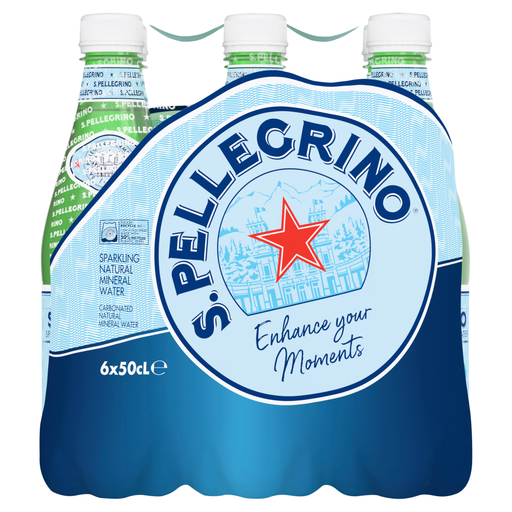
Why This Fits Their Persona: Half-litre bottles are straightforward to serve with individual meals, dinner parties or hospitality settings.
The six-bottle, 3-litre total is stated clearly, so the format is not confused with a larger household pack.
Natural mineral water with carbon dioxide; six convenient 500ml bottles; suitable for serving chilled or as a mixer.

Why This Fits Their Persona: The 30-bottle format suits offices, sports clubs, events and households that need individually portioned water.
The 330ml unit size and 30-pack quantity are explicit, making it easier to plan storage and serving needs.
Natural mineral water; 0 kcal and 0g sugar per 100ml; ready-to-drink PET bottles.
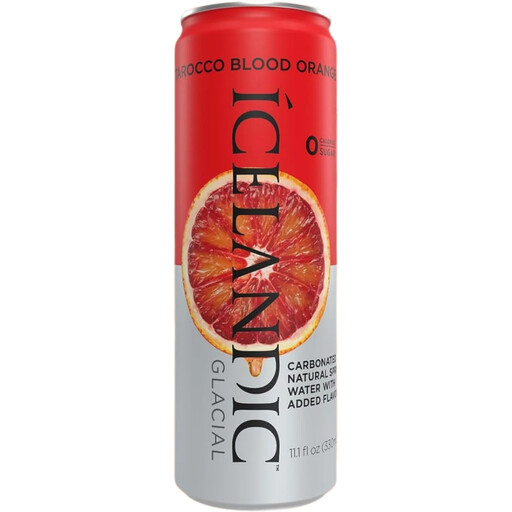
Why This Fits Their Persona: A citrus-fruit profile can be served on its own or used as a mixer for cocktails and mocktails.
The ingredient list identifies natural flavours, carbon dioxide and spring water, while the nutrition panel states zero sugar and zero calories.
330ml aluminium can; zero sugar and sweeteners listed; stated 100% recyclable can format.
We have compiled a complete, real-time list of products that fully satisfy these strict selection criteria and UK safety regulations.
Plain sparkling mineral water generally contains no sugar, but flavoured versions vary. Check both the nutrition panel and ingredients list. Products labelled zero sugar may contain sweeteners, such as erythritol or sucralose.
Keep unopened cans and bottles in a cool, dry place away from direct sunlight and strong odours. Chill before serving. Once opened, refrigerate bottles and use within the period stated on the packaging. Open cans are usually best consumed promptly because carbonation dissipates quickly.
It can be included as part of normal hydration for many people. Choose plain sparkling water if you want to avoid sugar and sweeteners, and compare sodium or mineral content if that is relevant to your dietary requirements. For specific health concerns, check the label and seek advice from a qualified healthcare professional.