Hosts of larger children’s or mixed-age parties
Individual containers make servings easier to count. Compare each drink’s ingredients and sugars per container, and make water available too.


Choose individual cans when you want to count out servings, or a shared bottle if you have cups and a place to pour drinks. Then check the ingredients and stated juice percentage: a sparkling orange soft drink and an orange-and-clementine juice drink can have very different recipes.
Individual containers make servings easier to count. Compare each drink’s ingredients and sugars per container, and make water available too.
Decide whether guests will pour from a shared bottle or take individual cans. A bottle also calls for cups and a suitable pouring area.
Read the named fruit percentages and ingredients. An orange-flavoured fizzy drink, an apple-juice-based drink and an orange-and-clementine drink are different choices.
Settle the serving format first, then compare recipes and sugars using the amount each guest is likely to be served.
| Priority | What to check | Your needs |
|---|---|---|
| Fruit content | Read the percentage for each named fruit and whether the juice is from concentrate. Check the first ingredients rather than relying on the drink’s name. | I want to know whether I’m serving an orange-juice-led drink, a mixed-fruit drink or an orange-flavoured soft drink. |
| Serving format | Compare container volume and pack count. Allow for cups and a pouring area if choosing a shared bottle. | For a self-service table, I’d rather put out individual drinks; for a buffet with cups, one larger bottle may fit the setup. |
| Sugars per serving | Compare sugars for the whole can or planned poured serving, not just per 100ml. The NHS also counts sugars naturally present in fruit juice as free sugars. | I’m choosing drinks for children or guests who want to compare sugar amounts, so I’ll offer water alongside the sparkling options. |
| Ingredients and handling | Read the current pack for ingredients, sweeteners and any handling instructions. Cawston Press lists natural fruit sediment in its Sparkling Orange drink. | If guests have ingredient preferences, or I need drinks that are straightforward to serve, the pack details matter as much as the flavour name. |
Recipes differ: Tesco lists 2.3% orange juice from concentrate for its 500ml Fanta Orange, while Cawston Press lists 40% pressed apple juice and 8% orange ingredients in its Sparkling Orange.
Compare the named fruit percentages and first ingredients if the amount of orange juice matters to you.
Container size changes the amount served. Tesco lists 14.5g sugars in a 330ml San Pellegrino Orange can and 22g in its 500ml Fanta Orange can.
Use the figure for the container or portion you plan to serve, and put water on the table as another choice.
A bottle needs cups, space for pouring and someone to manage refills; individual cans can be counted out without pouring.
Choose the format alongside your plans for cups, ice and the drinks table.
These product-line examples show why the pack format and recipe deserve separate checks; they do not indicate which brands are available on Joybuy.
Cawston Press offers Sparkling Orange in 330ml cans and 24- or 48-can cases.
Tesco lists a 330ml San Pellegrino sparkling orange beverage.
M&S lists Sparkling Brazilian Orange in 1.32L and 330ml formats.
The company lists sparkling orange-and-clementine drink in 12 × 250ml cans.
Tesco lists Fanta Orange as a sparkling orange soft drink in a 500ml can.
These cans and bottles are options for serving sparkling orange-flavoured drinks individually at a party. Check each drink’s current pack for its recipe and confirm the delivery unit before deciding how many to order.
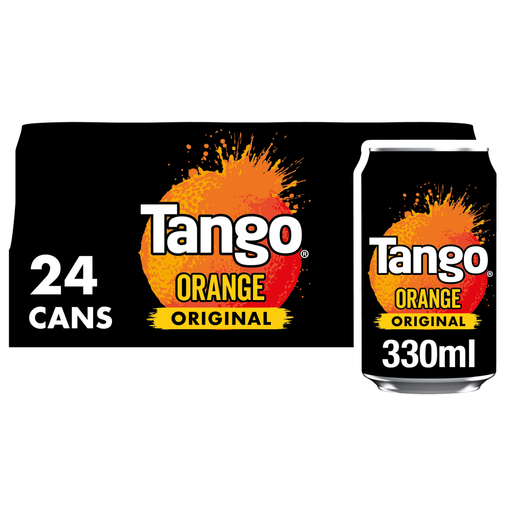 No image available
The 24 × 330ml format lets you count out individual cans for a larger party. Check the current pack’s ingredients and sugars per can if guests want to compare recipes.
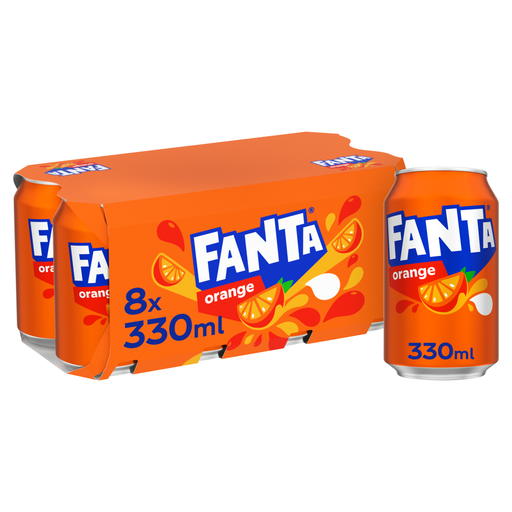 No image available
Eight 330ml cans provide countable individual servings. Read this pack’s own juice percentage and sugars per can rather than applying figures from a different Fanta container size.
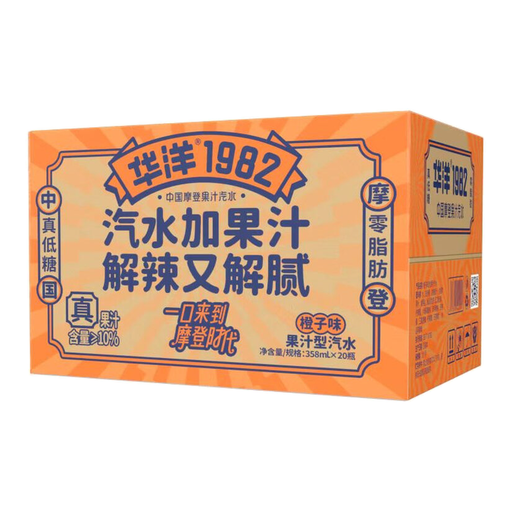 No image available
A case of 20 individual glass bottles may suit a table where bottles can be collected safely. Check the fruit ingredients and stated juice proportions if orange content is a deciding factor.
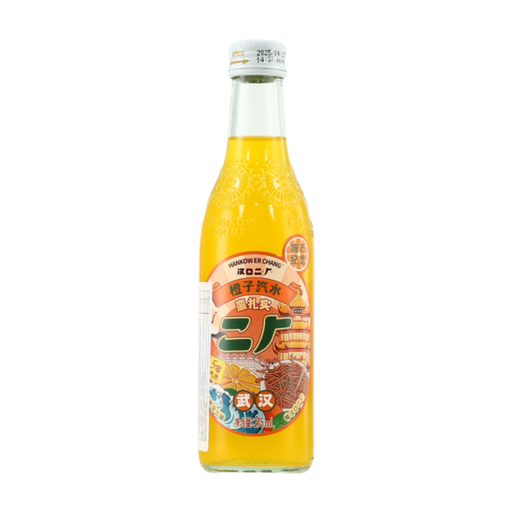 No image available
The 275ml size is an individual-serving option. Confirm the number of containers in the delivery unit before planning party quantities, and read the current ingredients if you want to distinguish it from orange-only juice.
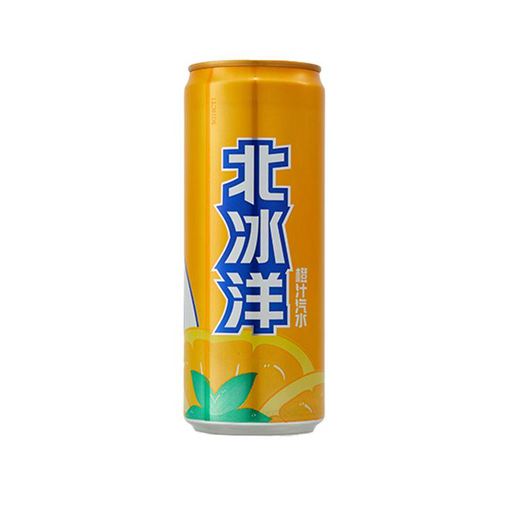 No image available
The 330ml bottle provides a defined individual size. Check the orange-juice percentage, sugars and delivery unit on the current product information before choosing it for a fruit-led drinks table or ordering party quantities.
No: the name alone does not tell you the juice content. Tesco lists 2.3% orange juice from concentrate in its 500ml Fanta Orange, while Cambridge Juice Company lists 50% combined orange and clementine juice in its sparkling cans. Read the percentage and ingredients for the exact drink you’re buying.
Choose cans if you want countable individual servings; choose a large bottle if cups and a pouring area fit your setup. M&S lists a 1.32L Sparkling Brazilian Orange bottle, while the can formats described here include 250ml and 330ml sizes.
Decide how many servings you intend to offer and whether sparkling orange will be one choice among other drinks. Compare that plan with the pack count and container size, then account for cups if you’re serving from a bottle.
Yes. The NHS includes sugars naturally present in fruit juice among free sugars, so a higher stated juice percentage does not establish a lower sugar amount. Compare the current pack’s sugars for the serving you plan to pour, and offer water as another drink.
Yes. Use the pack you purchased to check its current ingredients, nutrition information and handling instructions, particularly if guests have ingredient preferences or you are serving pressurised cans.