People carrying one drink with lunch
A 330ml can is a single-drink format. If you may not finish your drink at once, check for a resealable bottle and any storage instructions.


For a lunch you will drink in one sitting, a 330ml can is a straightforward format; a resealable bottle gives you the option to save some for later. Check what the drink actually contains as well as its pack size: Tesco lists 12% citrus juice from concentrate and 1.2g sugars per 100ml for its 420ml Orangina bottle, while Sainsbury’s lists 16% orange juice from concentrate and 14.5g sugars per 330ml can for Sanpellegrino Orange. Neither is presented as pure orange juice.
The useful starting point is whether you care most about a drink you can carry, its listed sugars or how much orange juice it contains.
A 330ml can is a single-drink format. If you may not finish your drink at once, check for a resealable bottle and any storage instructions.
Look beyond the per-100ml figure if you expect to finish the container. Sainsbury’s lists 14.5g sugars per 330ml Sanpellegrino Orange can; Tesco gives the Orangina bottle’s figure per 100ml, so check the pack when judging the amount you will drink.
A sparkling orange juice drink, a sparkling orange beverage and an orange-flavoured soft drink are not interchangeable descriptions. Read the product name and ingredients, then check the declared fruit percentage where one is given.
Start with the type of drink, then compare sugars in the amount you plan to consume and choose a pack that fits your lunch break.
| Priority | What to check | Your needs |
|---|---|---|
| Fruit content | Read the product name and ingredients. Compare declared orange or citrus percentages without treating different fruit ingredients as identical: Tesco lists 12% citrus juice from concentrate for Orangina, while Sainsbury’s lists 16% orange juice from concentrate for Sanpellegrino Orange. | If I expect orange juice rather than an orange-flavoured fizzy drink, I need to know which type is in the pack before choosing it. |
| Sugars | Check both sugars per 100ml and the amount in the portion you expect to finish. Sainsbury’s lists 14.5g per 330ml Sanpellegrino Orange can; Tesco lists 1.2g per 100ml for its 420ml Orangina bottle. The NHS notes that sugars in unsweetened fruit juice also count as free sugars. | I may finish the whole can or bottle at lunch, so the amount in that portion matters more to me than a per-100ml figure alone. |
| Pack format | Compare the size you will carry, whether an opened pack can be resealed and any storage directions. A 330ml can, a 420ml bottle and a 1L bottle serve different plans for one lunch or several drinks. | Will I drink it all with lunch, save some for later or share it? That decides whether a can, a resealable bottle or a larger bottle is practical. |
The drinks compared here include a juice drink, an orange beverage and orange-flavoured soft drinks. Their names and fruit ingredients differ even though they all offer an orange-flavoured fizzy option.
Check the product name and ingredients before comparing declared fruit percentages. If pure orange juice is your requirement, choose on that basis rather than on the front-of-pack orange description.
A whole can or bottle may be a different volume from the nutrition panel’s comparison measure. Sainsbury’s lists 14.5g sugars per 330ml Sanpellegrino Orange can, whereas Tesco lists its 420ml Orangina bottle at 1.2g per 100ml.
Read the serving information and consider the amount you expect to finish. Keep that separate from fruit content: the NHS says sugars in unsweetened fruit juice count as free sugars too.
The 1L M&S Diet Sparkling Orange Crush is a different carrying proposition from a 330ml can. Ocado’s product information instructs customers to refrigerate it after opening and consume it within three days.
Choose a smaller ready-to-drink pack for one lunch, or plan how you will portion and store the larger bottle.
Ocado describes M&S Diet Sparkling Orange Crush as an orange-flavoured soft drink with sweetener and lists 0.2g sugars per 100ml. That sugar figure does not make it the same type of drink as pure orange juice.
Compare the nutrition panel for sugars, then read the product name and ingredients to decide whether the drink itself matches what you want.
These examples illustrate differences between specific sparkling-orange products, not claims about everything each brand makes or what Joybuy sells.
Tesco describes its 420ml Orangina bottle as a sparkling orange juice drink with citrus pulp, sugar and sweeteners.
Sainsbury’s lists Sanpellegrino Orange in a multipack of 330ml cans as a sparkling orange beverage.
The M&S examples cover different choices: Sparkling Brazilian Orange Drink in cans and Diet Sparkling Orange Crush in a 1L bottle.
These Joybuy options are orange-flavoured drinks in cans or ready-to-drink bottles. The multipacks suit someone buying several lunch drinks, while the individual bottles offer another format; check each pack’s fruit ingredients and nutrition information for the comparison that matters to you.
 No image available
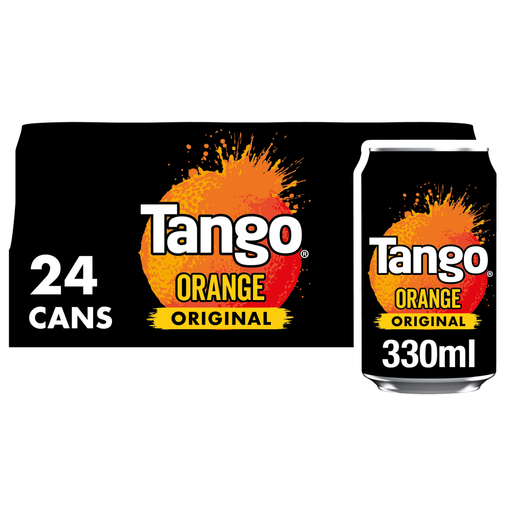
The 330ml cans offer a drink-sized pack to carry with lunch, but this purchase is a 24-can multipack. Check the pack’s fruit ingredients and sugars per can if those determine your choice.
 No image available
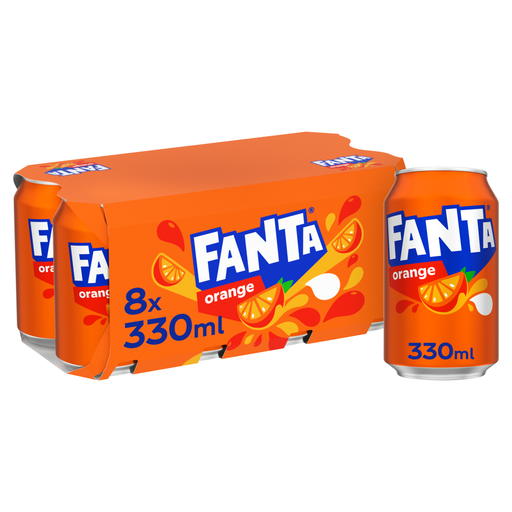
Each 330ml can is a separate drink to take with lunch; the product is sold as an eight-can pack. Use the current pack label to compare its ingredients and sugars per can with other orange drinks.
 No image available
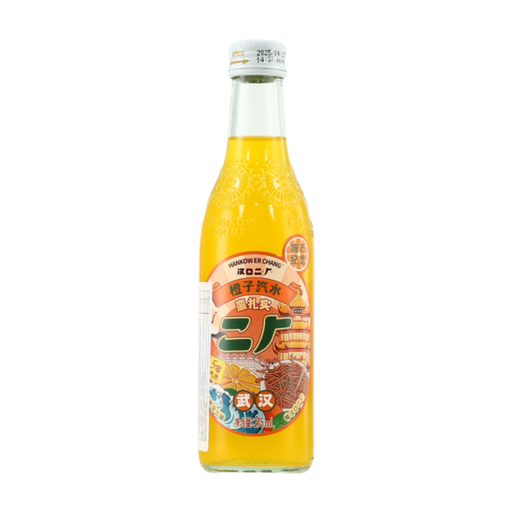
The 275ml bottle is an option if you want to carry one smaller drink. Check the label for sugars in the bottle and the closure if you intend to save some after opening.
 No image available
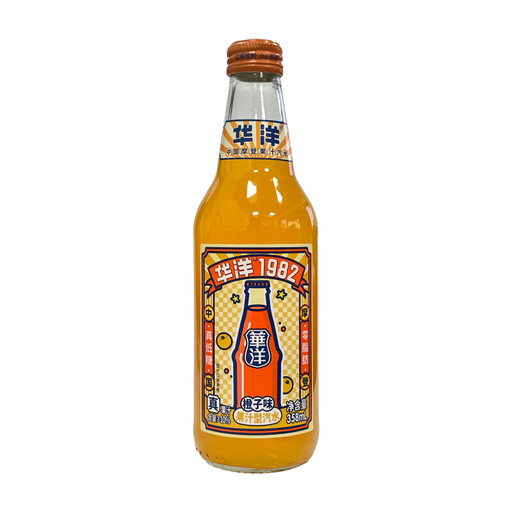
The 358ml bottle is sized for an individual drink with lunch. If you are choosing by fruit content or sugars, check the ingredients and nutrition panel for this particular bottle.
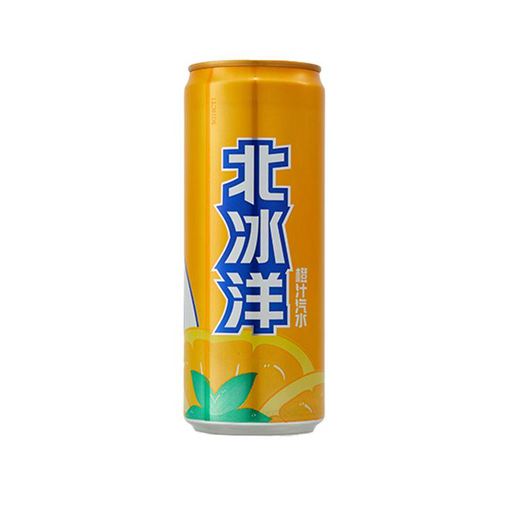 No image available
This 330ml bottle provides an individual orange soda option for lunch. Read its product description and pack label when comparing juice content and sugars with other drinks.
No. The name depends on the particular product: Tesco calls its 420ml Orangina a sparkling orange juice drink, while Sainsbury’s calls Sanpellegrino Orange a sparkling orange beverage. Read the product name and ingredients if you specifically want orange juice rather than an orange-flavoured fizzy drink.
Check the product name, declared fruit ingredients, pack size and sugars in the amount you expect to drink. For instance, Sainsbury’s lists 16% orange juice from concentrate and 14.5g sugars per 330ml Sanpellegrino Orange can; Tesco lists 12% citrus juice from concentrate and 1.2g sugars per 100ml for its 420ml Orangina bottle. Check whether a bottle can be resealed if you may leave some for later.
No. The NHS says sugars in unsweetened fruit juice count as free sugars. Check the drink’s nutrition panel for sugars in the portion you plan to have, as well as its fruit ingredients; fruit content alone does not tell you the sugar amount.
Yes, particularly if its ingredients or sugars affect your choice. Use the current pack’s product name, ingredient list and nutrition panel to compare the drink you are buying, rather than relying only on a previous comparison.