Students setting up a shared kitchen
Fridge space and shared consumption may be uncertain at move-in. Compare pack sizes and unopened storage, then read the instructions for finishing a drink after opening.


Choose a sparkling orange drink if you mainly want fizz; choose 100% orange juice if juice content matters more. For a move into shared accommodation, check the product description, juice percentage, sugars, sweeteners and storage instructions before settling on a pack size. Orange flavour alone does not tell you whether a drink is juice or a sparkling soft drink.
The useful choice depends on whether the drink is for a shared kitchen, an occasional fizzy drink or breakfast juice.
Fridge space and shared consumption may be uncertain at move-in. Compare pack sizes and unopened storage, then read the instructions for finishing a drink after opening.
If carbonation matters more than 100% juice content, compare sparkling drinks by their product descriptions, sugars per 100ml and ingredient lists. Some use sweeteners as well as a small proportion of juice.
Look for a product explicitly described as 100% orange juice. A carton that can be stored unopened outside the fridge and a chilled juice have different storage demands, particularly after opening.
Decide whether fizz or 100% juice is the purpose of the purchase, then compare labels and pack formats on the same basis.
| Priority | What to check | Your needs |
|---|---|---|
| Drink type | Read the product description and stated juice percentage. Tesco Groceries lists Fanta Zero Sugar Orange as a sparkling fruit drink with 4% orange juice; Sainsbury's describes its Pure Orange Juice as 100% fruit juice. | If I want juice with breakfast, I need a pack labelled 100% juice. If I want fizz, a sparkling soft drink may be the intended purchase instead. |
| Sugars and sweeteners | Compare sugars per 100ml and check the ingredients for sweeteners. Tesco Groceries lists 0.4g sugars per 100ml for Fanta Zero Sugar Orange and 1.2g per 100ml for Orangina; both are sparkling drinks, not 100% juice. The NHS counts sugars in unsweetened fruit juice as free sugars. | I want to know both what sweetens the drink and how much sugar the label lists, rather than judging it by orange flavour or front-of-pack wording. |
| Pack and storage | Check the quantity, unopened storage and instructions after opening. Sainsbury's says its Pure Orange Juice must be refrigerated and used within four days of opening; its chilled not-from-concentrate juice must be kept refrigerated and used within five days of opening. | With limited shared fridge space, I may prefer separate drinks or a carton that the household can finish within its stated period. |
| Drinking occasion | Consider how often the drink will be opened or sipped, not just the size of one serving. Derbyshire Teen Health's NHS-linked oral-health guidance notes that acidic drinks can cause dental erosion. | A drink for breakfast or an occasional fizzy option is a different purchase from something I plan to keep at my desk throughout the day. |
The labels describe different products. Tesco Groceries lists 4% orange juice in Fanta Zero Sugar Orange, while Sainsbury's describes its Pure Orange Juice as 100% fruit juice.
Read the product description and juice percentage before choosing: buy a sparkling drink for fizz, or a product labelled 100% juice when juice content is the point.
A sparkling drink with little listed sugar may contain sweeteners and only a small proportion of juice. Conversely, the NHS counts sugars in unsweetened fruit juice as free sugars.
Compare sugars on the same per-100ml basis, then check the ingredients and juice percentage separately.
Sainsbury's instructs shoppers to refrigerate its Pure Orange Juice after opening and use it within four days. Its chilled not-from-concentrate juice has a five-day period after opening.
Check the exact carton's instructions and whether anyone else will share it.
A carton left unfinished beyond its stated use period may be wasted.
These examples help distinguish sparkling drinks from conventional juice; a brand name alone does not identify which type is in a particular pack.
A conventional orange-juice reference if 100% juice, rather than fizz, is the aim.
Another conventional orange-juice reference for comparing a juice purchase with a fizzy soft drink.
Its listings provide examples of both sparkling orange drinks and conventional orange juice.
Its listings illustrate the distinction between 100% orange juice and a separate sparkling orange beverage.
Its Sparkling Brazilian Orange is an example of a sparkling orange drink rather than a 100% juice carton.
These options cover orange-flavoured fizzy drinks in individual portions or multipacks. Choose separately if the move-in shopping list calls for 100% orange juice.
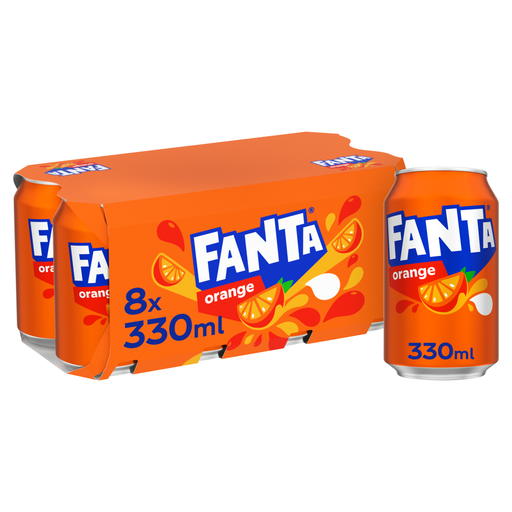 Image unavailable
Eight separate cans offer a format to consider when drinks will be shared or opened on different occasions. This is an orange soft drink rather than a 100% orange juice carton; compare the pack's juice percentage, sugars and sweeteners if those affect your choice.
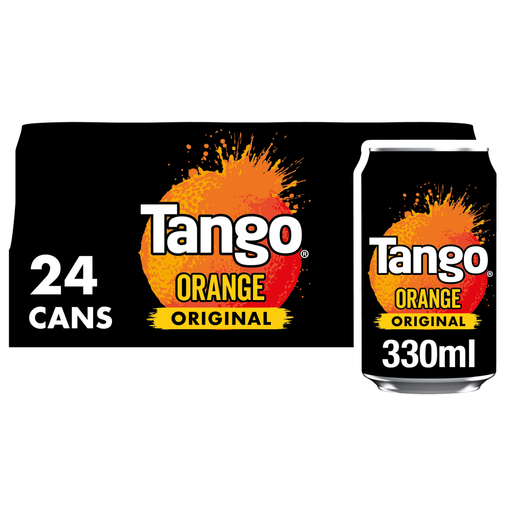 Image unavailable
The 24-can format is worth considering if several people will use it or there is room to store it. For one person moving in, check whether that quantity makes sense; it is a fizzy orange drink, not 100% juice.
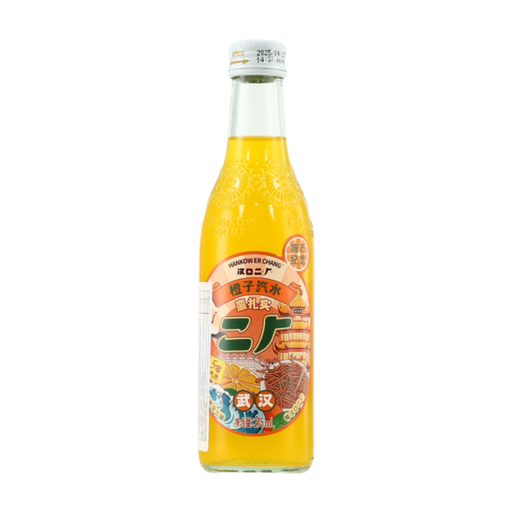 Image unavailable
The stated 275ml size offers a single-drink alternative to a multipack. It is described as orange soda; check the pack's juice-content wording if the proportion of orange juice matters to you.
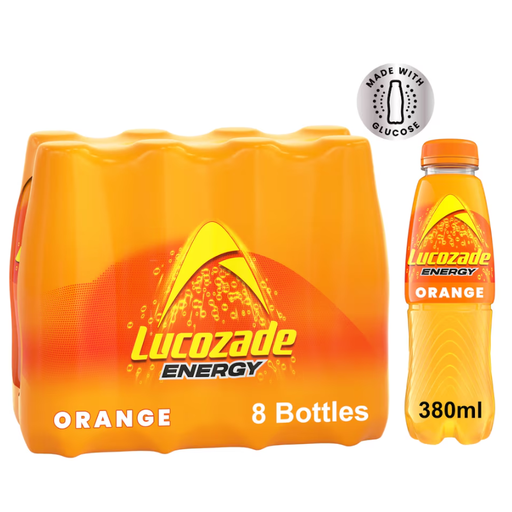 Image unavailable
This is an eight-bottle orange energy drink, a different choice from an ordinary orange soft drink or 100% juice. Check its caffeine information and the bottle's storage instructions, particularly if it will be opened and kept for later.
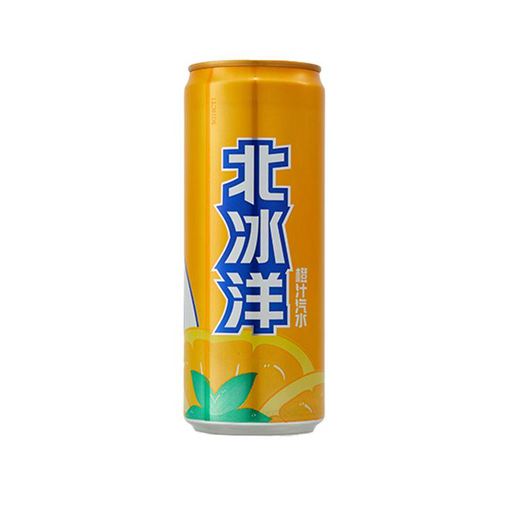 Image unavailable
The 330ml soda is a single-drink format for someone seeking orange fizz. Despite the word “juice” in its name, do not assume it is 100% orange juice; check the product description and ingredients on the pack.
No: check the product description and juice percentage rather than relying on “orange” in the name. Tesco Groceries lists Fanta Zero Sugar Orange as a sparkling drink with 4% orange juice, while Sainsbury's describes its Pure Orange Juice as 100% fruit juice.
Choose a carton if it can be stored correctly and finished within its stated period after opening; separate cans may be easier to allocate in a shared kitchen. Sainsbury's says to refrigerate its Pure Orange Juice and use it within four days of opening, while its chilled not-from-concentrate juice has a five-day period. Check the nutrition per can as well as per 100ml when comparing canned drinks.
Yes. The NHS counts sugars in unsweetened fruit juice as free sugars. Juice content and listed sugar are separate things to check: a sparkling drink with little listed sugar is not thereby equivalent to 100% juice.
Consider the drinking occasion as well as the nutrition label. Derbyshire Teen Health's NHS-linked oral-health guidance notes that acidic drinks can cause dental erosion and discusses the frequency of sugary drinks. A drink opened for a meal and one sipped repeatedly over a study session involve different habits.