Hosts planning a pour-and-serve table
A ready-to-drink pressé suits an alcohol-free toast when you want guests to serve themselves without measuring cordial. Chill it as directed and check what the bottle says about storage after opening.


Choose a ready-to-drink sparkling pressé if guests should be able to pour straight from a chilled bottle. Choose concentrated cordial with sparkling water if you want to adjust the strength of each glass; use that cordial's dilution guidance to plan quantities, and check the purchased pack's ingredients and storage instructions before serving.
A ready-to-drink pressé suits an alcohol-free toast when you want guests to serve themselves without measuring cordial. Chill it as directed and check what the bottle says about storage after opening.
Concentrated cordial lets you vary the strength of individual glasses and offer still or sparkling versions where the product's directions allow both. You will also need water and space to mix and serve it.
Read the purchased pack when allergens, sugar, sweeteners or dietary suitability affect your plans. For example, Marks & Spencer lists sulphites in its Fragrant British Elderflower Cordial; that does not establish the ingredients of other elderflower drinks.
Decide how drinks will be served, then work out quantities from the chosen product's directions rather than its bottle size alone.
| Priority | What to check | Your needs |
|---|---|---|
| Serving format | Check whether the drink is already sparkling and ready to pour or is a concentrate requiring dilution. For cordial, check whether its directions allow sparkling water. | I'd like guests to help themselves without a mixing station; alternatively, I want to adjust the strength of each glass. |
| Quantity | Use the exact product's stated ratio and yield. Waitrose & Partners suggests one part No.1 Elderflower Cordial to four parts water and states a 2.5-litre yield; its Bottlegreen listing gives a different 1:14 ratio and 30 glasses of 250 ml. | How many glasses am I likely to serve, and will I have enough sparkling water if I choose concentrate? |
| Flavour | Compare the named flavour and whether you can make a small test glass before mixing a batch. Sainsbury's directs Belvoir Farm Ginger Cordial to be diluted with sparkling water to make a ginger beer. | I'd like a choice beyond a single floral drink, particularly if guests prefer a ginger or fruit flavour. |
| Ingredients | Read the current ingredients and nutrition label, comparing drinks on the same prepared-drink basis. GOV.UK guidance says regulated allergens used as ingredients in prepacked drinks must be clearly labelled in the ingredients list. | Some guests need ingredient information before I serve them; I also want to know whether a drink contains sugar or sweeteners. |
| After opening | Check the pack's refrigeration and consumption instructions. Plan when to open sparkling bottles so they are ready to serve when guests arrive. | I may have leftovers, so I want to know how the chosen drink should be kept once opened. |
Concentrated cordial needs dilution, while a ready-to-drink pressé is already sparkling. Confusing the two can leave you without the water needed to serve your planned drinks.
Check the preparation directions before shopping. If you choose cordial, plan the sparkling water from its stated ratio and try one glass before mixing more.
You will need to have the sparkling water ready for serving as well as the cordial.
Waitrose & Partners lists a 1:4 suggested dilution for No.1 Elderflower Cordial, while its Bottlegreen Rose & Elderflower listing gives 1:14. The same size of concentrate bottle need not produce the same number of prepared glasses.
Use the ratio or serving yield printed on the cordial you buy, then allow for the glass sizes you expect to serve.
The Marks & Spencer listing for Fragrant British Elderflower Cordial includes sulphites. A flavour name or dietary description cannot replace an ingredients check for a particular guest.
Read the current pack before serving anyone with an allergy or intolerance, rather than relying on a previous bottle or another product in the range.
An opened drink may have refrigeration and consumption instructions that affect what you can keep for later. Those instructions differ by product.
Keep the bottles sealed until they are needed and follow each pack's directions for any leftovers.
These examples show the kinds of cordial and ready-to-drink options you may encounter; check the individual product rather than assuming every drink in a range has the same recipe.
Sainsbury's lists Robinsons among its premium cordial options. A Robinsons cordial is a route to consider if you plan to mix drinks rather than open a ready-to-drink pressé.
Tesco lists Cox's Apple & Elderflower Presse as a 750 ml lightly sparkling soft drink, offering a fruit-and-floral ready-to-drink format.
Sainsbury's lists Taste the Difference cordials alongside other cordial brands, offering another flavour range to consider for mixing.
Marks & Spencer directs its Fragrant British Elderflower Cordial to be diluted with still or sparkling water.
Waitrose & Partners lists both No.1 Elderflower Cordial for dilution and No.1 Sparkling Elderflower Presse as a ready-to-drink option.
Belvoir Farm examples include a Ginger Cordial for dilution with sparkling water and a separate Sparkling Elderflower ready-to-drink product.
These four sparkling soft drinks suit the pour-and-serve side of a New Year's Eve party. They are not concentrated cordials, so choose separately if you want to set the strength of each glass through dilution.
 No image available
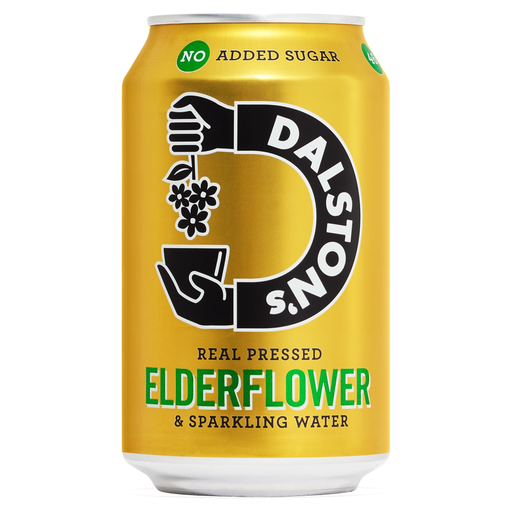
Consider this elderflower soda when guests need a sparkling drink without a mixing step. It is a ready-to-drink option, not a cordial whose strength you can set by following dilution directions. Check the current pack's ingredients and after-opening instructions before serving.
 No image available
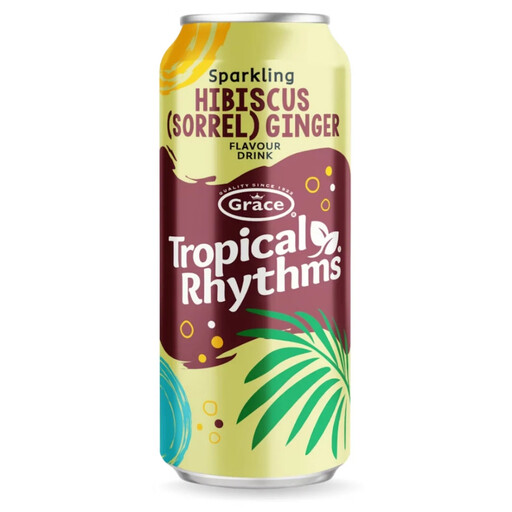
The sorrel-and-ginger flavour offers a different ready-to-drink choice from elderflower for a sparkling party pour. This beverage is not a concentrate for adjusting strength; check the purchased pack's ingredients and serving instructions.
 No image available
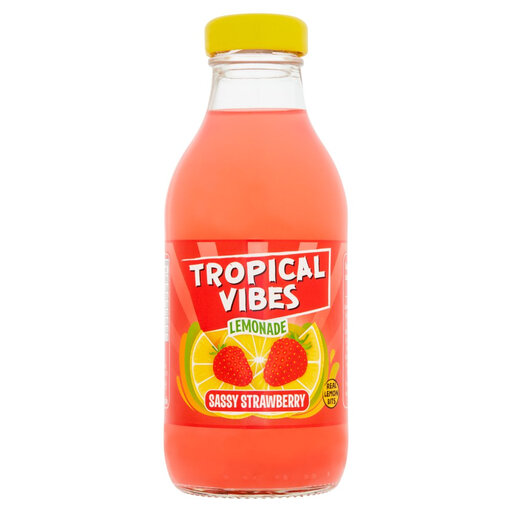
This lemon-and-strawberry lemonade is a ready-to-drink fruit option rather than a cordial for mixing with sparkling water. Its listing flags a colour warning concerning children's activity and attention and says it is unsuitable for children under three; check the current pack before serving it to children.
 No image available
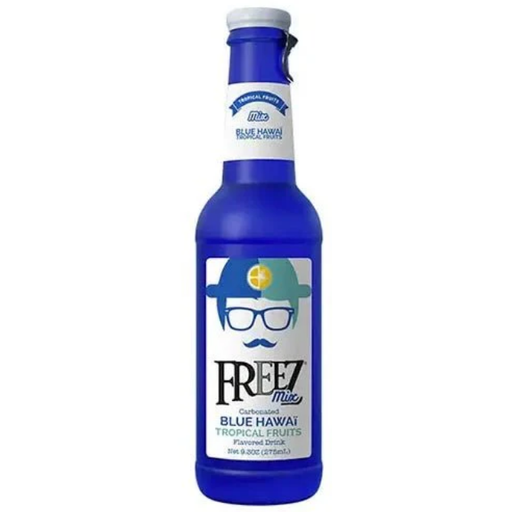
Choose this ready-to-drink sparkling format if you want a tropical-fruit flavour on the pour-and-serve table. It is a flavoured drink, not a cordial for custom dilution; follow the pack's ingredients and after-opening instructions.
No. A ready-to-drink pressé is already sparkling, while concentrated cordial needs dilution; some cordials specify sparkling water as an option. Check the product's preparation directions so you bring the right drink, or the water needed to make it.
Start with the chosen bottle's stated ratio or yield and the glass size you plan to use. Waitrose & Partners states that its No.1 Elderflower Cordial makes 2.5 litres at a suggested 1:4 dilution, while its Bottlegreen Rose & Elderflower listing states that a 1:14 dilution makes 30 glasses of 250 ml. Do not apply either yield to another cordial.
Read the ingredients on the purchased pack and check with guests about their requirements before serving. GOV.UK guidance says regulated allergens used as ingredients in prepacked drinks must be clearly labelled in the ingredients list. Marks & Spencer lists sulphites in its Fragrant British Elderflower Cordial, but another product needs its own check.
You can serve an alcohol-free soft drink or prepared cordial on its own and add alcohol to separate glasses if that suits your party. Keep the versions distinct and make clear to guests which glasses contain alcohol; follow the cordial's dilution directions when preparing the base drink.