
24/7 Customer Support

Free returns

Same-day & Next-day Delivery

Quality Guaranteed

Unlock Your Welcome Offers: FREE Delivery | Up to 80% OFF | Free 30-day JoyPlus trial
Download the APP
Choosing sparkling rosé wine online can look straightforward until you compare Prosecco rosé, rosé Champagne, rosé Cava and alcohol-free alternatives. Pink colour alone tells you very little about sweetness, production method, alcohol content or value.
For UK shoppers, the main risks are usually:
The production method influences the texture and flavour of sparkling rosé wine.
Italian sparkling rosé and Prosecco rosé are commonly made using the Charmat method, where the second fermentation takes place in stainless-steel tanks. This can produce fresh fruit aromas, lively acidity and a lighter mousse. Prosecco rosé usually includes Glera with Pinot Noir, also known as Pinot Nero.
Cava and Champagne generally use a traditional method, with secondary fermentation in the bottle. This can contribute to a finer bead and additional notes developed during lees ageing, such as biscuit or brioche. A rosé Champagne may therefore suit shoppers seeking a more structured bottle for milestone celebrations, while rosé Cava offers a route to traditional-method character at a different price point.
Check the grape varieties where listed. Pinot Noir, Pinot Nero, Garnacha and Trepat can contribute red-fruit flavours, while Glera is associated with floral and orchard-fruit notes.
The pink colour does not determine sweetness. Look for terms such as:
For aperitifs, seafood and savoury sharing plates, Brut rosé with fresh acidity is often a practical match. Fruit desserts and sweeter brunch dishes may work better with a rounder style. If the listing does not clearly state the dosage or sweetness category, check the label or ask the seller before ordering multiple bottles.
Most standard 75cl rosé wine bottles in this selection sit around 10.5–12% ABV. A 75cl bottle at 11% ABV contains approximately 8.25 UK units, while a 12% bottle contains around 9 units. Values can vary, so use the product label as the final reference.
Alcohol-free sparkling rosé is a useful choice when guests are avoiding alcohol. However, it is not simply the same wine with the alcohol omitted: dealcoholised wine may have a lighter body and a different balance of sweetness and acidity.
For storage, keep unopened bottles in a cool, dark place away from direct sunlight. Chill sparkling wine to approximately 6–8°C before serving. Open carefully because the contents are under pressure, and never point the cork towards people or fragile objects.
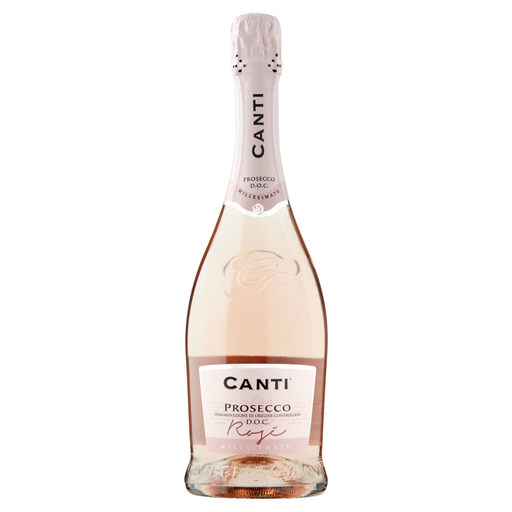
Why This Fits Their Persona: A 75cl Italian option for first-time buyers who want a recognisable Prosecco style for aperitifs, light dishes or informal hosting.
The listing identifies the Prosecco DOC origin, Glera and Pinot Nero grapes, 10.5% ABV and vegetarian and vegan suitability, giving shoppers useful comparison points beyond the pink packaging.
Fresh berry, citrus and floral notes; suitable for seafood, sushi and light appetisers.

Why This Fits Their Persona: A rosé Champagne for shoppers marking anniversaries, engagements, formal dinners or a significant gift occasion.
Its listing provides the Champagne origin, 12% ABV, 9 units per bottle and the Pinot Noir, Pinot Meunier and Chardonnay blend, rather than relying only on luxury presentation.
Red-fruit and citrus profile; suitable for seafood, poultry, salads and soft cheeses.
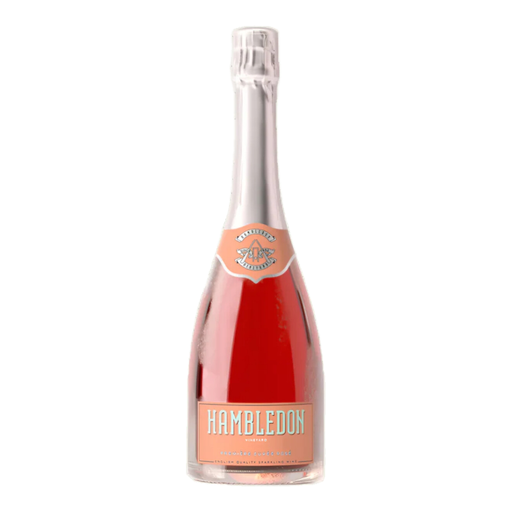
Why This Fits Their Persona: An English sparkling rosé from Hampshire for shoppers who want a locally produced bottle for dinner parties or gifting.
The product information identifies Hampshire production, traditional-method influence, sulphites and 12% ABV, helping you assess provenance and alcohol content.
Wild-strawberry and redcurrant notes; suitable with seafood and lightly spiced Asian dishes.
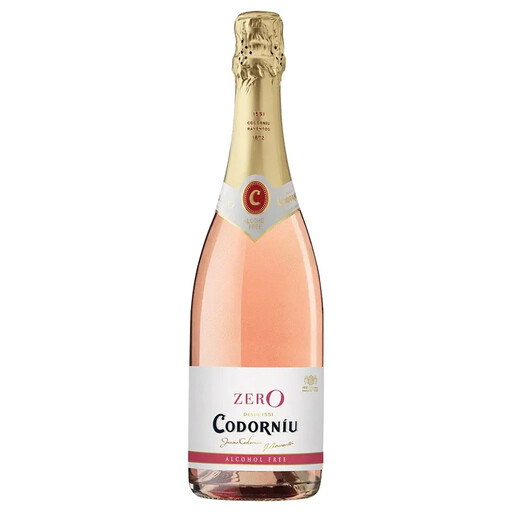
Why This Fits Their Persona: A 0.0% alcohol-free sparkling rosé for adult guests who are avoiding alcohol but still want a pink, chilled drink for a toast.
The listing clearly states 0.0% alcohol and zero units, while also showing that it is a dealcoholised wine with sulphites and added ingredients.
Cherry, strawberry and forest-fruit descriptions; pairs with appetisers, seafood, fruit and vegetable dishes.
We have compiled a complete, real-time list of products that fully satisfy these strict selection criteria and UK safety regulations.
For a rosé wine for celebrations, chill the bottle well in advance and use flute or tulip-shaped glasses to retain the bubbles. Open slowly, keeping one hand over the cork and turning the bottle rather than forcing the cork upwards.
A standard bottle serves approximately six 125ml glasses. For larger gatherings, a case deal can be more economical, but check storage space, delivery timing and whether you are buying several bottles of the same style. A sparkling wine gift may benefit from a distinctive bottle design, but flavour profile, alcohol level and allergen information should remain the deciding factors.
Remember that alcohol products are restricted to adults aged 18 and over in the UK. Drink responsibly, do not drive after drinking, and follow current UK Chief Medical Officers’ guidance on alcohol consumption.
Not necessarily. Many bottles are Brut, meaning they are made in a relatively dry style. Check the sweetness designation and product description rather than judging from the pink colour or fruit aromas.
For the freshest fizz, reseal an opened bottle with a sparkling wine stopper and refrigerate it. Most products are best consumed within one to two days, although the bubbles may soften sooner.
Prosecco rosé is commonly made using the Charmat method and tends to highlight fresh fruit and floral aromas. Rosé Champagne uses the traditional bottle-fermentation method and may offer a finer mousse and more developed flavours. The choice depends on your preferred style, occasion and budget.