
24/7 Customer Support

Free returns

Same-day & Next-day Delivery

Quality Guaranteed

Unlock Your Welcome Offers: FREE Delivery | Up to 80% OFF | Free 30-day JoyPlus trial
Download the APP
A bottle of sparkling rosé wine can suit a birthday toast, weekend brunch, wedding gift or relaxed dinner. However, the pink colour and polished packaging do not tell you everything about what is inside. Before buying, check the wine style, alcohol level, bottle size and serving requirements rather than relying on phrases such as “luxury”, “premium” or “award-winning”.
This guide explains the practical details that matter when comparing Prosecco rosé, rosé Champagne, rosé Cava, Italian sparkling rosé and alcohol-free alternatives available to UK shoppers aged 18 and over.
“Rosé” describes the colour and style, not the wine’s protected origin. Prosecco rosé should carry the relevant Prosecco DOC designation and is commonly made using Glera with Pinot Noir or Pinot Nero. Cava comes from Spain and is produced under its own denomination, while Champagne must come from the Champagne region of France.
If the origin matters to you, check the label for terms such as Prosecco DOC, Cava or Champagne, as well as the country of origin.
Alcohol-free sparkling drinks can have different residual alcohol levels. For example, Nozeco Rose is listed at less than 0.5% ABV, while some other alcohol-free products may state 0.0%. Always read the product specification if you are avoiding alcohol completely.
Also check the ingredients. Dealcoholised wine, grape juice, sweeteners, flavourings and preservatives can all affect the taste and nutritional profile.
A single 75cl sparkling wine bottle generally provides around six 125ml glasses, although actual serving sizes vary. A sparkling rosé case deal may reduce the cost per bottle, but it is only practical if you have enough storage and expect to serve several bottles.
For gifting, presentation can also influence the price. A distinctive bottle may look appealing, but it does not automatically indicate a particular production method or flavour profile.
The production method can influence the texture and bubble character:
A Brut rosé is generally a dry style, but sweetness levels can vary between bottles. If you prefer a softer or fruitier profile, review the product description and label rather than choosing by colour alone.
A 75cl bottle at 11% ABV contains approximately 8.3 UK alcohol units, while a 12% bottle contains around 9 units. The exact figure should be checked on the packaging or product page.
The UK Chief Medical Officers advise adults not to regularly exceed 14 units per week. Alcohol should be avoided during pregnancy and anyone drinking should do so responsibly. Online alcohol purchases are restricted to people aged 18 and over, with age verification applying at the point of delivery.
Most conventional sparkling wines contain sulphur dioxide or sulphites, which must be declared as an allergen when present above the relevant threshold. Vegan sparkling wine is also available, but “vegetarian” does not always mean vegan, so look for a clear suitability statement.
Check the label if you have allergies or dietary requirements. Alcohol-free drinks can still contain sulphites, preservatives or added sugar.
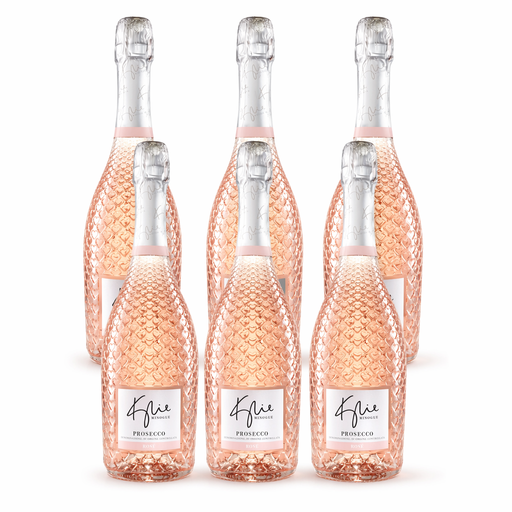
Why This Fits Their Persona: A practical option for hosts planning several brunches, celebrations or gatherings rather than buying bottles individually.
The case format makes the number of bottles clear, helping you compare the overall cost with single-bottle purchases.
Italian Prosecco rosé; 11% ABV; made with Glera and Pinot Noir; 75cl bottles.

Why This Fits Their Persona: Suitable for milestone celebrations, formal entertaining or a sparkling wine gift where Champagne origin is important.
The product is identified as rosé Champagne from France, so it is not being presented as a generic pink sparkling wine.
12% ABV; 9 units per 750ml bottle; blend of Pinot Noir, Pinot Meunier and Chardonnay.

Why This Fits Their Persona: A useful choice for designated drivers, mixed-age gatherings and shoppers reducing alcohol while retaining a sparkling presentation.
Its listing clearly states less than 0.5% ABV, rather than leaving the alcohol level to assumption.
Vegan certified; 20 kcal per 100ml; serve chilled; refrigerate after opening and consume within seven days.
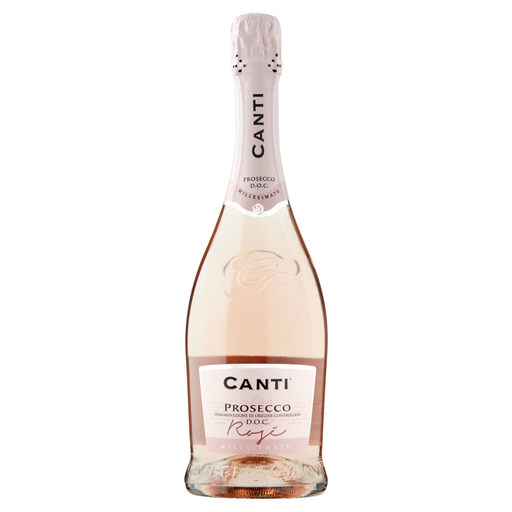
Why This Fits Their Persona: A suitable match for shoppers wanting an Italian sparkling rosé with clearly stated vegetarian and vegan suitability.
The product information states vegan suitability, avoiding the need to infer it from the wine’s ingredients alone.
Prosecco DOC from Italy; 10.5% ABV; 7.9 units per bottle; suitable for vegetarians and vegans.
We have compiled a complete, real-time list of products that fully satisfy these strict selection criteria and UK safety regulations.
Chill conventional sparkling rosé to approximately 6–8°C, unless the label gives different instructions. Store unopened bottles upright in a cool, dark place away from sunlight and heat. Open carefully: sparkling wine is under pressure, so point the bottle away from people and do not shake it.
Once opened, use a sparkling wine stopper and refrigerate. Flavour and carbonation are usually most enjoyable soon after opening, although the product label should take priority.
Not necessarily. Brut rosé is generally a dry category, while other sweetness levels may taste softer or fruitier. Check the label, nutritional information and product description for sugar details.
A 75cl bottle contains 750ml. At a 125ml serving, that is approximately six glasses. Larger pours will reduce the number of servings and increase the units consumed per glass.
Yes. Rosé Champagne must come from France’s Champagne region and is generally made using the traditional method. Prosecco rosé is an Italian protected style, commonly based on Glera with Pinot Noir or Pinot Nero and is commonly produced using the Charmat method. Check the designation and country of origin when comparing the two.