
24/7 Customer Support

Free returns

Same-day & Next-day Delivery

Quality Guaranteed

Unlock Your Welcome Offers: FREE Delivery | Up to 80% OFF | Free 30-day JoyPlus trial
Download the APP
Buying sparkling soft drinks online can seem straightforward until you compare bottle sizes, sweeteners, sugar content and serving occasions. A colourful can may look appealing, but the product may not suit your household, dietary preferences or storage space.
The most common buying pitfalls are:
UK food labels generally show nutrition per 100ml, allowing easier comparisons between products. For example, Hatakosen Melon Ramune provides 39 kcal and 9.8g of sugars per 100ml, while Dash Raspberry sparkling water lists 1 kcal and 0g of sugars per 100ml.
If you are looking for low-calorie soft drinks, compare both calories and carbohydrates. A drink can be low in calories while still having a noticeable sweetener profile. If avoiding sugar is your priority, look for a clearly stated 0g sugar value and then check whether sweeteners are included.
People who need to avoid aspartame should note that Schweppes Slimline Tonic Water contains aspartame and a source of phenylalanine. Always read the current packaging, as formulations and nutritional panels can change.
Small glass bottles are suitable for individual treats, themed parties or serving alongside Asian cuisine. Japanese ramune soda typically uses a marble-sealed Codd-neck bottle, which creates an interactive opening experience but also requires careful handling.
Cans are easy to chill and distribute at picnics, lunch gatherings and family events. Larger multipacks, such as 12 x 330ml or 24 x 330ml, are more practical for regular consumption, office storage or entertaining, but require more cupboard or fridge space.
For a meal or mocktail, consider flavour intensity and bitterness. Tonic water multipacks are designed primarily as mixers, whereas flavoured sparkling water is often lighter and more suitable for drinking on its own.
Even when a drink is labelled as having no known allergens, check the current product label before serving guests. This is particularly important when products contain artificial colours, preservatives, fruit concentrates or botanical ingredients.
Some newer products are marketed as functional soda and may contain fibre or live cultures. Living Things Peach & Blood Orange, for example, lists 2g of fibre per 100ml and live cultures in its ingredients. This is a product feature, not a substitute for a varied diet, and its label advises that it is unsuitable for children under three.
Also check storage instructions. Most carbonated drinks should be kept in a cool, dry place away from direct sunlight. Once opened, refrigerate and consume promptly to retain carbonation and flavour.

Why This Fits Their Persona: A six-bottle format gives households a manageable way to try sugar-free fizzy drinks without committing to a full case. The lychee flavour suits shoppers looking for something beyond standard lemon or cola.
The listing provides a per-100ml nutrition panel showing 0 kcal, 0g fat and 0g carbohydrate. It also identifies erythritol and sucralose, helping buyers make an informed sweetener choice.
Six 330ml bottles; lychee flavour; listed as 0 sugar and 0 calories.
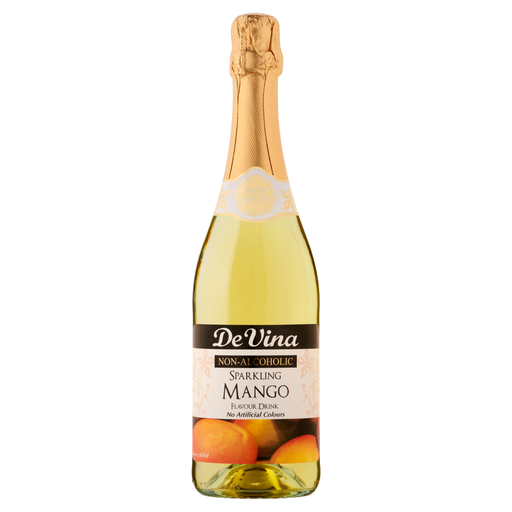
Why This Fits Their Persona: The glass bottle and 750ml capacity make this a presentable option for dinner parties, celebrations and non-alcoholic toasting.
The ingredient list clarifies that the mango profile comes with white grape juice from concentrate, glucose-fructose syrup and sucralose. The nutrition panel states 18 kcal and 4.5g sugars per 100ml.
750ml glass bottle; alcohol-free format; mango and white grape flavour profile.

Why This Fits Their Persona: A full 24-can case is suited to offices, frequent at-home drinkers and larger gatherings where individual servings are convenient.
The listing gives the case quantity and states 0g sugar and 0 kcal per 100ml. Buyers can assess the commitment before ordering rather than mistaking a single-can listing for a bulk purchase.
24 x 330ml cans; black grape flavour; uses erythritol and sucralose in the listed formula.
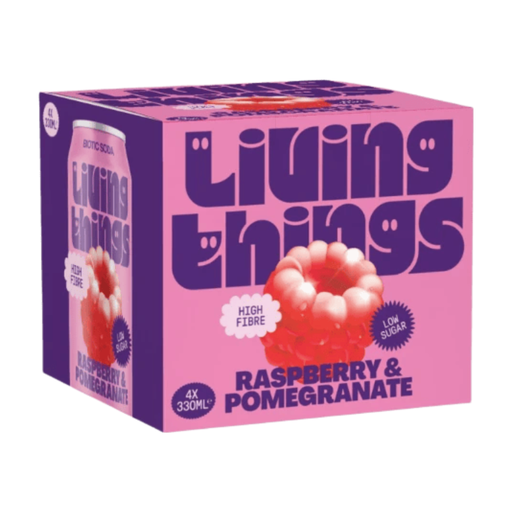
Why This Fits Their Persona: This lightly carbonated option is aimed at shoppers comparing functional soda with conventional sweet drinks and wanting a fruit-led flavour.
The product information states 1.7g sugar and 13 kcal per 100ml, while the ingredients list identifies white grape juice, chicory root inulin and live cultures.
Four 330ml cans; 1.7g sugar per 100ml; contains listed fibre and live cultures.
We have compiled a complete, real-time list of products that fully satisfy these strict selection criteria and UK safety regulations.
They can fit into varied eating and drinking habits, but the appropriate choice depends on personal preference and the ingredients used. Check the sweetener information, caffeine content where relevant and serving size. Plain or lightly flavoured sparkling water may be preferable if you want fewer flavouring ingredients.
Carbonation gradually decreases once a bottle or can is opened. Resealable bottles can retain fizz for longer when refrigerated, while cans and marble-sealed ramune are generally intended for prompt consumption. Follow the product’s specific instructions; several listed products advise consuming on the same day or within two days after opening.
A multipack may reduce the price per serving and simplify stocking for parties or regular use. However, compare the total volume, delivery cost and nutritional profile before buying. A smaller pack can be more economical if you are trying an unfamiliar flavour or only need drinks for one occasion.