Hosts looking for a fizzy table drink
For a mostly seated evening, sparkling water offers carbonation without choosing a drink formulated for exercise. The NHS suggests sparkling water when plain water does not appeal.


For a seated board game night, sparkling water is a straightforward choice when guests mainly want fizz; the NHS suggests it for people who do not like plain water. An isotonic drink is a different choice for someone arriving after prolonged exercise, while sparkling Lucozade Energy is a caffeinated energy drink rather than an interchangeable sports drink.
The useful distinction is whether guests want a fizzy table drink, an exercise-focused drink or a caffeinated energy drink.
For a mostly seated evening, sparkling water offers carbonation without choosing a drink formulated for exercise. The NHS suggests sparkling water when plain water does not appeal.
A guest coming from endurance activity may have a reason to consider an isotonic drink. Lucozade Sport is described by Sainsbury’s as providing carbohydrates and electrolytes for prolonged endurance exercise; that purpose is separate from ordinary game-night refreshment.
Someone choosing Lucozade Energy Orange for its fizz should know what they are serving. Sainsbury’s lists it as a sparkling glucose drink containing caffeine, rather than as Lucozade Sport.
Start with the reason for choosing the drink, then check its category and label rather than assuming every fizzy drink serves the same purpose.
| Priority | What to check | Your needs |
|---|---|---|
| Fizz for the table | Check whether the drink is sparkling water or another carbonated drink. On flavoured varieties, read the ingredients and nutrition label if sugar, sweeteners or caffeine matter. | I mainly want something fizzy to serve during a seated game. Sparkling water meets that preference without choosing an exercise-focused formulation. |
| Exercise context | Check whether the guest has been doing prolonged exercise or sweating substantially, and whether the drink is labelled isotonic. The British Heart Foundation discusses electrolyte-containing sports drinks in the context of replacing fluid lost through exercise. | A player arriving after endurance activity may want a carbohydrate-and-electrolyte drink; ordinary thirst during play does not establish the same need. |
| Energy-drink ingredients | Check the product category, caffeine and sugar information, including the stated serving size. Sainsbury’s identifies Lucozade Energy Orange as sparkling and lists caffeine among its ingredients. | If I offer a fizzy energy drink, guests should be able to choose it deliberately rather than mistake it for water or an isotonic sports drink. |
Sainsbury’s describes Lucozade Energy Orange as a sparkling glucose drink containing caffeine, while its Lucozade Sport listing describes an isotonic drink for prolonged endurance exercise. The shared brand name does not make their purposes interchangeable.
Read the drink category and ingredients before deciding what to serve. If fizz is the main requirement for a seated gathering, consider sparkling water.
The exercise context matters: the Lucozade Sport listing and British Heart Foundation guidance discuss sports drinks in relation to endurance activity or fluid lost through exercise, not time spent sitting at a table.
Ask whether a guest is arriving after substantial activity. Otherwise, let them choose a table drink for its taste and format rather than treating an isotonic formulation as necessary.
A fizzy drink chosen by brand name alone may contain ingredients a guest did not expect. Sainsbury’s lists caffeine in Lucozade Energy Orange.
Keep the label available and offer a caffeine-free sparkling option so guests can make their own choice.
Gatorade UK instructs buyers to mix its sachet into 500ml of water. That preparation instruction does not establish that the finished drink is carbonated.
Follow the pack instructions; do not promise a sparkling result or substitute sparkling water without checking the manufacturer’s directions.
A familiar brand name is less useful here than the category and preparation details of the particular drink.
The Lucozade Sport and Lucozade Energy products described by Sainsbury’s serve different purposes.
Coca-Cola Great Britain describes Powerade as a still isotonic sports drink for use in an exercise context.
Gatorade UK’s sachet product is prepared by mixing powder into water, rather than served as a ready-to-drink sparkling beverage.
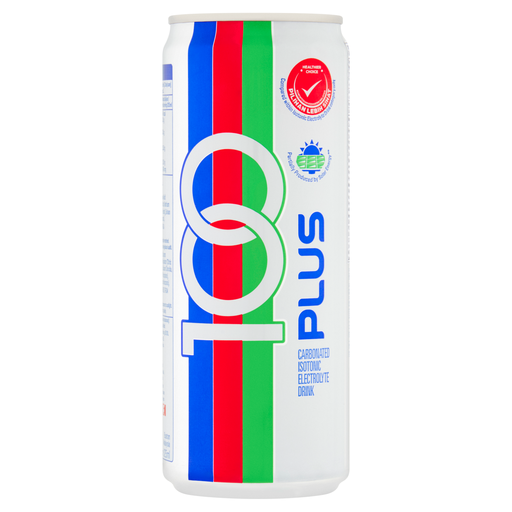
This option is for someone specifically considering a carbonated isotonic drink. For a seated game night where fizz alone is the aim, sparkling water remains a separate choice.
 No image available
Consider this 325ml carbonated isotonic drink if a guest specifically wants that combination, rather than assuming an exercise-focused drink is needed throughout a seated evening.
Check the current label for ingredients and nutrition information before serving, particularly if guests have preferences concerning sugar or other ingredients.
Not solely because guests will be playing for several hours. For a seated evening, water is an ordinary drink choice; the exercise-focused purpose described for Lucozade Sport and Powerade is more relevant to a guest arriving after substantial activity.
Carbonation does not determine the drink category. Sainsbury’s lists sparkling Lucozade Energy Orange as a glucose drink containing caffeine, whereas its Lucozade Sport Orange listing describes an isotonic drink for prolonged endurance exercise. Check the specific product label rather than relying on fizz or brand name.
Check its caffeine, ingredients and nutrition information, along with the serving size. Sainsbury’s identifies it as a sparkling glucose drink containing caffeine, so guests should not have to assume it is water or Lucozade Sport.
Do not assume so from the preparation directions. Gatorade UK says to mix one sachet into 500ml of water; follow the pack and check with the manufacturer before using carbonated water in its place.