For long marathon-training runs, choose a drink by its labelled carbohydrate and electrolyte content and the amount you plan to drink, not by whether it fizzes. A still isotonic drink is a practical starting point; a sparkling carbohydrate-electrolyte drink can also fit if its label suits your fuelling plan and you tolerate it on comparable training runs. A sparkling glucose or energy drink is not interchangeable with a sports drink solely because it contains sugar.
Who is this for?
Runners planning fuel for long sessions
You want to know how much carbohydrate your drink contributes and whether you will need gels, chews or food alongside it. World Athletics lists hourly carbohydrate ranges for endurance events, so the amount you actually drink matters more than the bottle’s description.
Runners who prefer fizz
You are considering a carbonated drink but need it to feel manageable while running. Small exercise studies published in the International Journal of Sport Nutrition did not find a clear general disadvantage from the carbonation they tested; they cannot establish how you will respond during a marathon-length run.
Shoppers comparing sport and energy drinks
You need to tell a carbohydrate-electrolyte sports drink apart from a sparkling glucose or energy drink. Lucozade Sport and Powerade are described as isotonic sports drinks, while Tesco describes Lucozade Energy Sparkling Orange as a sparkling glucose drink. Check the particular product label rather than relying on a shared brand name.
What should you check?
Work out the drink’s contribution to your practised fuel plan first, then decide whether its formulation, serving format and carbonation suit the way you run.
| Priority |
What to check |
Your needs |
| Carbohydrate per hour |
Read grams per serving and per bottle; calculate what your planned drinking volume supplies. World Athletics lists 30–60 g per hour for events lasting 1–2.5 hours and up to 90 g per hour beyond 2.5 hours. |
I want to count the drink towards my hourly plan without assuming one bottle provides all my fuel. If it does not supply the carbohydrate I have planned, I can account for other practised sources rather than drink extra fluid to reach a number. |
| Drink formulation |
Check carbohydrate, electrolytes and serving size on the exact label. A sparkling glucose or energy drink should not be assumed to have the same formulation as an isotonic sports drink. |
If I choose fizz, I still want to know what the drink contributes during a long run. Flavour, bubbles and the word “energy” do not answer that question. |
| Stomach comfort |
Trial the exact drink, serving amount and intake pattern on comparable runs. Small controlled exercise studies did not establish a universal comfort penalty from low carbonation, but they do not establish individual marathon tolerance. |
I need a drink I can consume repeatedly while running. In a study published in Nutrients, 27% of recreational marathon runners reported moderate gastrointestinal symptoms during the marathon; that figure does not identify carbonation as the cause. |
| Serving format |
Consider whether a ready-to-drink bottle, a multipack or a powder you mix with water fits your planned portions and preparation. For a powder, read the nutrition information for the prepared drink. |
I want portions I can prepare and use consistently in training, so I can judge the drink’s contribution without changing my routine on race day. |
Common buying mistakes
-
Assuming any fizzy “energy” drink is a sports drink
Tesco describes Lucozade Energy Sparkling Orange as a sparkling glucose drink, whereas Lucozade Sport and Powerade are described as isotonic sports drinks. The labels describe different products even when the packaging looks suited to exercise.
Compare carbohydrate per serving and electrolyte information on the exact drink before counting it towards a long-run plan.
-
Expecting one bottle to supply a whole session’s fuel
A bottle’s carbohydrate contribution depends on both its label and how much you drink. World Athletics’ hourly ranges are for total carbohydrate intake, not a requirement to obtain it all from fluid.
Calculate the contribution of your realistic drinking volume and rehearse any additional carbohydrate sources as part of the same plan.
-
Deciding that carbonation suits everyone—or no one
Small controlled exercise studies found no clear general disadvantage from the carbonation they tested, but those results cannot predict comfort during your own long run.
Try the exact sparkling drink and portion during training rather than introducing it for the first time on race day. Choose a still option if fizz causes you discomfort.
-
Counting a zero-sugar drink as carbohydrate fuel
A drink with no carbohydrate cannot supply the carbohydrate you intended to get from a drink during a prolonged session.
If you choose one, account separately for any carbohydrate in your practised plan, such as that supplied by gels, chews or food.
Brand ranges to distinguish
These range descriptions help separate sports drinks from other formats; they do not establish that every product under a brand has the same composition.
Lucozade Sport
Lucozade describes Sport as its isotonic range for exercise, distinct from Lucozade Energy.
- Tesco lists approximately 16 g carbohydrate per 250 ml for Lucozade Sport Orange.
- Do not apply Sport’s label information to sparkling Lucozade Energy; check the exact variant.
Powerade
Coca-Cola Great Britain describes Powerade as a still isotonic sports drink containing carbohydrate.
- Its still format offers an alternative when you do not want carbonation during a run.
- Check the chosen bottle’s carbohydrate contribution against the rest of your hourly plan rather than assuming the drink covers it alone.
Gatorade
Gatorade Great Britain describes Hydration Booster as a carbohydrate-electrolyte powder mixed with water, rather than a ready-to-drink sparkling sports drink.
- The sachet format allows preparation with water when carrying powder suits your routine.
- Check the prepared drink’s nutrition panel before relying on it as your main carbohydrate source for a long run.
Joybuy drink options
These options include a carbonated isotonic drink and other sports drinks to assess against your marathon-training fuel plan. Check the exact label and trial your chosen drink during training.
 No image available
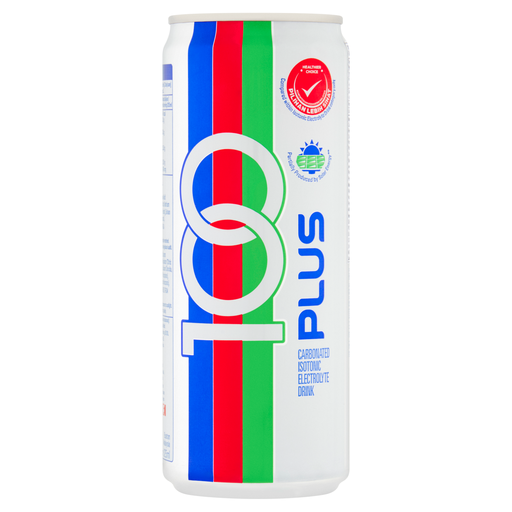
F&N 100 Plus Carbonated Isotonic Electrolyte Drink, 325 ml
This is an option to consider if you want fizz in an isotonic drink. The 325 ml serving gives you a defined portion; check its carbohydrate and sodium values on the label and trial the exact drink during a long training run.
Joybuy
 No image available
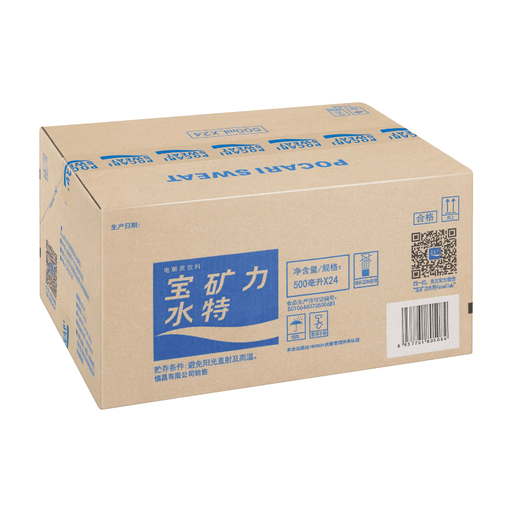
Pocari Sweat Sports Drink, 24 × 500 ml
The 24 × 500 ml pack is an option for planning repeated training sessions. Check the exact bottle’s carbohydrate contribution before adding it to your hourly plan, and confirm its carbonation status if fizz matters to you.
Joybuy
 No image available
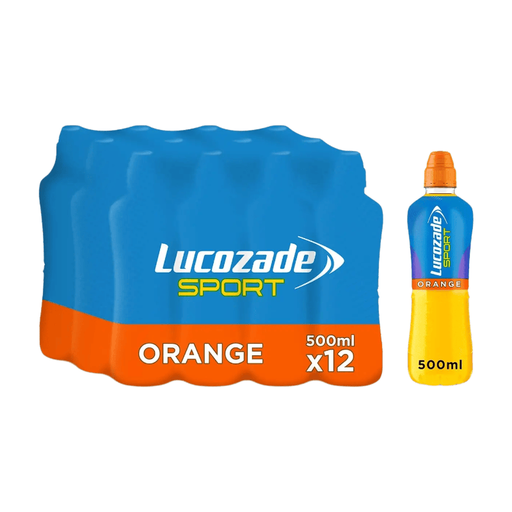
Lucozade Sport Orange, 12 × 500 ml
This multipack lets you plan with 500 ml bottles of Lucozade Sport Orange. Tesco lists approximately 16 g carbohydrate per 250 ml for the Orange drink; base your hourly calculation on the amount you will actually consume, and check the exact bottle if carbonation or sodium quantity matters to you.
Joybuy
Frequently asked questions
Can I use a sparkling carbohydrate drink on a long training run?
Yes, if its labelled carbohydrate and electrolyte content fits your plan and you tolerate the amount you intend to drink. Small controlled exercise studies published in the International Journal of Sport Nutrition found no clear general performance or comfort disadvantage from the carbonation they tested, but they were not marathon trials; rehearse the exact drink during training.
How much carbohydrate should my marathon drink provide?
The drink can provide part of your total rather than all of it. World Athletics lists 30–60 g carbohydrate per hour for events lasting 1–2.5 hours and up to 90 g per hour beyond 2.5 hours. Calculate what your planned volume supplies, then account for any other practised fuel sources.
Is a sparkling energy drink the same as an isotonic sports drink?
No. Tesco describes Lucozade Energy Sparkling Orange as a sparkling glucose drink, while Lucozade Sport and Powerade are described as isotonic sports drinks. Check the exact product’s carbohydrate and electrolyte information before treating it as part of a long-run fuelling plan.
Does caffeine make a fizzy drink a better marathon fuel?
Caffeine content does not tell you how much carbohydrate or electrolyte the drink supplies. Check those label details separately, and do not use caffeine safety figures as a carbohydrate-fuelling target.


