Choose a squash with clear dilution instructions, then check the bottle before making a jug with chilled sparkling water: M&S suggests sparkling water for its squash, and Rocks gives that option for its blackcurrant squash. For a group, compare the stated serving yield; to match guests’ preferences, compare sugars per diluted serving, sweeteners and ingredients rather than relying on a no-added-sugar or high-juice label alone.
Who is choosing the squash?
Hosts making drinks for a group
A stated serving count helps you plan a jug. Waitrose & Partners lists 40 servings for Robinsons 1L Double Strength Orange at one part squash to nine parts water; Sainsbury's lists 120 servings for its 1.5L Quadruple Strength Orange at one part to 19 parts water.
Hosts comparing sugars and sweeteners
If guests have preferences about either, read the diluted nutrition panel and ingredient list separately. The no-added-sugar Robinsons, Sainsbury's and Asda examples described by their retailers contain sweeteners.
Hosts choosing between juice content and real sugar
M&S lists 50% fruit juice for Pink Grapefruit High Juice and describes it as no added sugar. Rocks Blackcurrant uses real sugar and instructs customers to add still or sparkling water. Check the diluted sugars and ingredients before choosing between them.
What matters when making a sparkling jug?
Start with the serving method and dilution, then compare the finished drink and its ingredients for the people you are serving.
| Priority | What to check | Your needs |
|---|
| Sparkling serve |
Check whether the product suggests sparkling water. Begin with its pack dilution, using chilled sparkling water for the jug. |
I want a fizzy drink I can make from concentrate. M&S suggests sparkling water for its squash, while Rocks specifies still or sparkling water for its blackcurrant squash. |
| Serving yield |
Compare the stated servings and dilution, not bottle volume alone. Waitrose & Partners lists 40 servings at 1:9 for Robinsons 1L Double Strength Orange; Sainsbury's lists 120 at 1:19 for its 1.5L Quadruple Strength Orange. |
There will be several guests, so I need to estimate how much finished drink the bottles will make at their stated dilutions. |
| Sugars and sweeteners |
Read sugars per 100ml of diluted drink and the ingredient list. A no-added-sugar claim does not mean a product contains no sweeteners. |
Some guests may prefer to avoid particular sweeteners or want to compare sugars in the drink as served. |
| Fruit content |
Check the stated juice percentage alongside the diluted nutrition panel and ingredients. M&S lists 50% fruit juice for Pink Grapefruit High Juice; Rocks says its Blackcurrant Squash uses real sugar. |
I want to choose between a high-juice squash and one made with real sugar without assuming that fruit percentage answers the sugar question. |
| Ingredients |
Read the current bottle’s ingredient and allergen information, especially if changing flavour or brand. The M&S Orange Squash and Asda Orange Squash information lists sulphites. |
Before serving guests with an allergy or intolerance, I need to check the particular bottle I will use. |
What should you avoid overlooking?
-
Assuming no added sugar means no sweeteners
The no-added-sugar Robinsons, Sainsbury's and Asda examples described by their retailers contain sweeteners, which may matter to guests choosing between drinks.
Read the ingredients as well as the front label, and choose an alternative if particular sweeteners do not suit your guests’ preferences.
-
Judging a concentrate by bottle size alone
Different dilution instructions produce different amounts of finished drink. Waitrose & Partners states 40 servings at 1:9 for Robinsons Double Strength Orange, while Sainsbury's states 120 at 1:19 for its Quadruple Strength Orange.
Use each bottle’s stated serving count and dilution to plan how many jugs you need.
-
Using fruit percentage as a shortcut for sugars
Fruit content, added sugar and sweeteners describe different things. M&S labels Pink Grapefruit High Juice as 50% fruit juice with no added sugar; Rocks says its Blackcurrant Squash uses real sugar.
Compare the ingredients and sugars in the diluted drink before deciding which formulation to serve.
-
Relying on a previous bottle’s label
Ingredients can differ between products and flavours. The M&S Orange and Asda Orange squash information lists sulphites.
Check the label on the bottle in hand before serving, particularly when substituting a flavour or shopping for a guest with an allergy or intolerance.
Which brands offer relevant options?
Robinsons
A double-strength orange option for hosts comparing a stated dilution and serving count.
- Waitrose & Partners lists 40 servings and a 1:9 dilution for Robinsons 1L Double Strength Orange No Added Sugar Squash.
- Its no-added-sugar formulation contains sweeteners; check the current bottle’s ingredients if these matter to guests.
Tesco
An own-label range with quadruple-strength, no-added-sugar squash listings.
- Tesco’s squash listings include Blackcurrant and Apple & Strawberry 1.5L options, alongside an Orange 750ml option.
- Check the chosen bottle’s dilution, servings and ingredients rather than assuming these are the same across the range.
Sainsbury's
A quadruple-strength orange option with a stated yield for group preparation.
- Sainsbury's lists 120 servings and a 1:19 dilution for its 1.5L Quadruple Strength Orange Squash, described as 40% fruit from concentrate.
- It contains sweeteners; check its current ingredient and allergen label before serving.
Asda
An own-label orange squash with a stated dilution and suggested serving count.
- Asda suggests 60 servings and one part squash to nine parts water for its 1.5L Orange Squash.
- Its product information lists sulphites; check the current bottle for ingredients relevant to your guests.
M&S
An own-label range whose squash guidance explicitly suggests mixing with sparkling water.
- M&S describes its Orange Squash as double strength and made with 20% fruit; its Pink Grapefruit High Juice is described as 50% fruit juice with no added sugar.
- M&S Orange Squash lists sulphites. Check the label of the particular flavour you serve.
Waitrose
An own-label double-strength orange squash with serving guidance.
- Waitrose & Partners lists 60 servings and suggests a 1:9 dilution for Essential No Added Sugar Orange Squash 1.5L.
- Check the current bottle’s ingredients and allergen information before serving guests with relevant needs.
Joybuy squash options
These concentrates offer fruit-flavoured options for preparing BBQ drinks. Check each bottle’s dilution and try a small serving with sparkling water before making a jug; sparkling-water instructions for these particular products are not established here.
 No image available
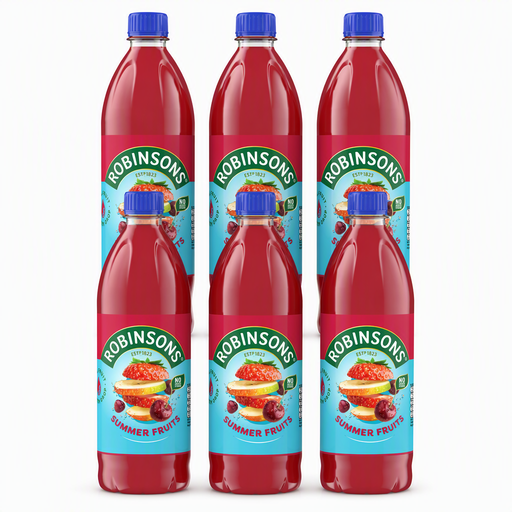
Robinsons No Added Sugar Summer Fruits Squash 6x1L
The 6x1L pack is an option when preparing drinks for a group. Check the dilution and current ingredients on each bottle, and try a small sparkling-water serving before making a batch.
 No image available
Ribena Blackcurrant Concentrate No Added Sugar 1.5L
For a shared blackcurrant drink, use the bottle’s dilution instruction to plan the jug. Check its current ingredients for guest suitability and trial a small serving with sparkling water.
 No image available
Robinsons No Added Sugar Orange Squash 1L
This 1L orange concentrate offers a no-added-sugar option. Check the bottle’s dilution and ingredients before planning servings; do not apply the yield of a different Robinsons orange product to this one.
 No image available
Robinsons No Added Sugar Summer Fruits Squash 1L
This single 1L bottle offers a summer-fruits flavour without buying the 6x1L pack. Follow its own dilution instructions and check the current ingredients before serving a group.
 No image available
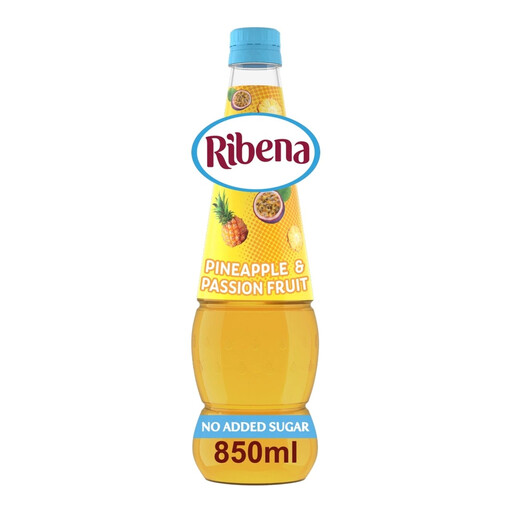
Ribena Pineapple and Passion Fruit Squash No Added Sugar 850ml
For a pineapple and passion fruit option, check the 850ml bottle’s dilution before estimating how many drinks it will make. Read its current ingredients and try the intended sparkling-water mix in a small glass first.
Questions about sparkling squash
Can I make a sparkling BBQ drink from squash?
Yes, for products whose guidance allows it: M&S suggests sparkling water with its squash, and Rocks instructs customers to add still or sparkling water to its Blackcurrant Squash. Begin with the chosen pack’s dilution; Rocks specifies one part squash to eight parts water.
Does no added sugar mean no sweeteners?
No. The no-added-sugar Robinsons, Sainsbury's and Asda examples described by their retailers contain sweeteners. Read the ingredient list on the bottle if a guest wants to avoid particular ones.
How can I estimate whether one bottle will cover the BBQ?
Use that product’s stated serving count and dilution rather than bottle size alone. Waitrose & Partners lists 40 servings at 1:9 for Robinsons 1L Double Strength Orange, while Sainsbury's lists 120 at 1:19 for its 1.5L Quadruple Strength Orange; those yields depend on following the stated dilutions.
What should I check for guests with allergies or intolerances?
Check the ingredient and allergen information on the particular bottle before serving. The product information for M&S Orange Squash and Asda Orange Squash lists sulphites, so do not assume another flavour or formulation has the same ingredients.


